
Heartland Flyer’s Future: Texas Rail Funding at Risk
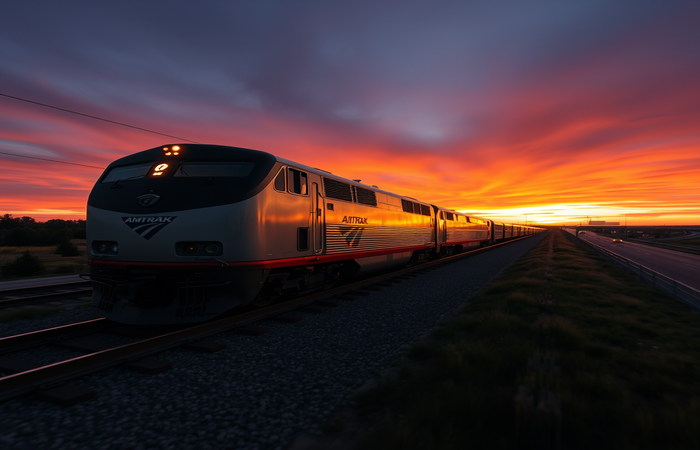
The Heartland Flyer, connecting Dallas-Fort Worth and Oklahoma City, faces an uncertain future. Crucial passenger rail service hangs in the balance, with funding set to expire October 1st.
Here’s a news article based on the provided information, rewritten to meet your specifications:
Texas Rail Service Faces Uncertain Future Amidst Funding Dispute
Texas, July 11, 2024 – Amtrak (National Railroad Passenger Corporation) is urging the Texas Legislature to reconsider its decision regarding the funding of the Heartland Flyer passenger-rail service. The future of this vital transportation link, connecting Dallas-Fort Worth and Oklahoma City, hangs in the balance as current funding is set to expire on October 1st. The Heartland Flyer has served the Interstate 35 Corridor for over a quarter of a century, providing a crucial alternative to highway travel, supporting economic development, and bolstering regional connectivity. This article delves into the significance of the Heartland Flyer, the implications of its potential cessation, and the broader context of passenger rail funding in the United States. The lack of funding could jeopardize transportation options for residents and visitors alike. The article will explore the economic and social impact that the Heartland Flyer provides, while also giving an overview of the challenges facing the industry.
The Heartland Flyer: A Quarter-Century of Service
The Heartland Flyer, a crucial transportation artery, has provided essential service along the Interstate 35 Corridor.
For over 25 years, this service has connected Dallas-Fort Worth with Oklahoma City, facilitating travel, commerce, and tourism within the region. The train offers a comfortable and reliable alternative to driving, mitigating congestion on one of Texas’s busiest highways. The service is an important part of the transportation infrastructure of the region, and it provides transportation options for residents and visitors. The train provides services to help people commute to work, and connect with other cities.
Beyond transportation, the Heartland Flyer stimulates economic activity, with commuters that work across state lines, in addition to tourists who visit the cities for leisure activities. In fiscal year 2024, the service carried over 80,000 passengers and generated $2.2 million in ticket revenue.
The Funding Crisis: A Threat to Mobility
The primary challenge confronting the Heartland Flyer is the decision by the Texas Legislature to withhold funding for the service’s operational costs beyond the current year.
While the Texas Department of Transportation (TxDOT) requested $7.05 million to sustain the route through 2027, the Legislature opted not to allocate these funds. This funding is a critical component of the Heartland Flyer’s operational budget and essential for the continued provision of its services.
Amtrak officials have expressed concern that this decision could lead to the suspension of the Heartland Flyer on October 1st. The absence of this service would result in a loss of a vital transportation option for many, impacting commuters, tourists, and the local economies that rely on the train’s presence. The implications are far-reaching, including increased highway congestion, diminished workforce mobility, and setbacks for regional economic development.
Economic and Social Impact
The Heartland Flyer generates substantial economic and social benefits that go beyond transportation.
It plays a vital role in workforce mobility by providing reliable access to jobs for residents in both Texas and Oklahoma, in addition to improving access to different job opportunities. The service allows people to commute to work and improve their lifestyles.
The train also supports tourism by making it easier for visitors to access and explore the region, stimulating economic growth for businesses across the area. According to Amtrak President Roger Harris, “Reliable rail service provides a vital transportation option for residents and visitors alike, strengthening regional mobility, economic development, and tourism.”
In addition, the Heartland Flyer contributes to sustainability efforts by offering an environmentally friendly alternative to highway travel, reducing carbon emissions and lessening the impact on the environment.
Conclusion: Preserving a Vital Transportation Link
The Heartland Flyer’s uncertain future serves as a stark reminder of the challenges facing passenger rail services across the United States.
The train’s continued operation is crucial for the economic well-being of the region and ensuring the long-term mobility of its residents. The benefits of the service extend beyond transportation, with positive effects on workforce mobility, tourism, and environmental sustainability. The loss of the train would cause negative impacts that include traffic congestion, lost economic opportunities, and environmental effects. The Texas Legislature is encouraged to reconsider its decision and recognize the critical role the Heartland Flyer plays in the community.
The situation highlights the need for a robust and sustainable funding model for passenger rail, ensuring that these essential services can continue to operate and serve their communities. Amtrak’s advocacy for continued funding underscores the critical need for the legislative body to revisit the decision. This will ensure the preservation of a vital transportation link, which in the long run will benefit all the parties involved.
Brief Summary of Relevant Companies
Amtrak (National Railroad Passenger Corporation): A government-supported corporation that manages and operates passenger rail services across the United States. It is responsible for providing the Heartland Flyer service.
Texas Department of Transportation (TxDOT): The state agency in charge of the planning, construction, and maintenance of the transportation infrastructure in Texas, including roads and potentially rail projects.
RELATED POSTS

Vossloh secures €100 million in European rail switch component contracts!...
August 24, 2018 2:48 am
Revolutionize passenger experience with LNER's innovative seat occupancy sensor technology....

March 10, 2025 11:48 am
This article delves into the crucial replacement of the Raritan...
September 22, 2025 6:55 pm
Alstom's hydrogen locomotive completes test run at Salzgitter steel plant,...
December 21, 2021 7:30 am
The Alstom-Bombardier Acquisition and its Implications for the High-Speed Rail...

January 18, 2012 1:06 pm
Bombardier has announced the first railway line in Croatia to...