
DoJ vs Norfolk Southern: Passenger Rail Crisis
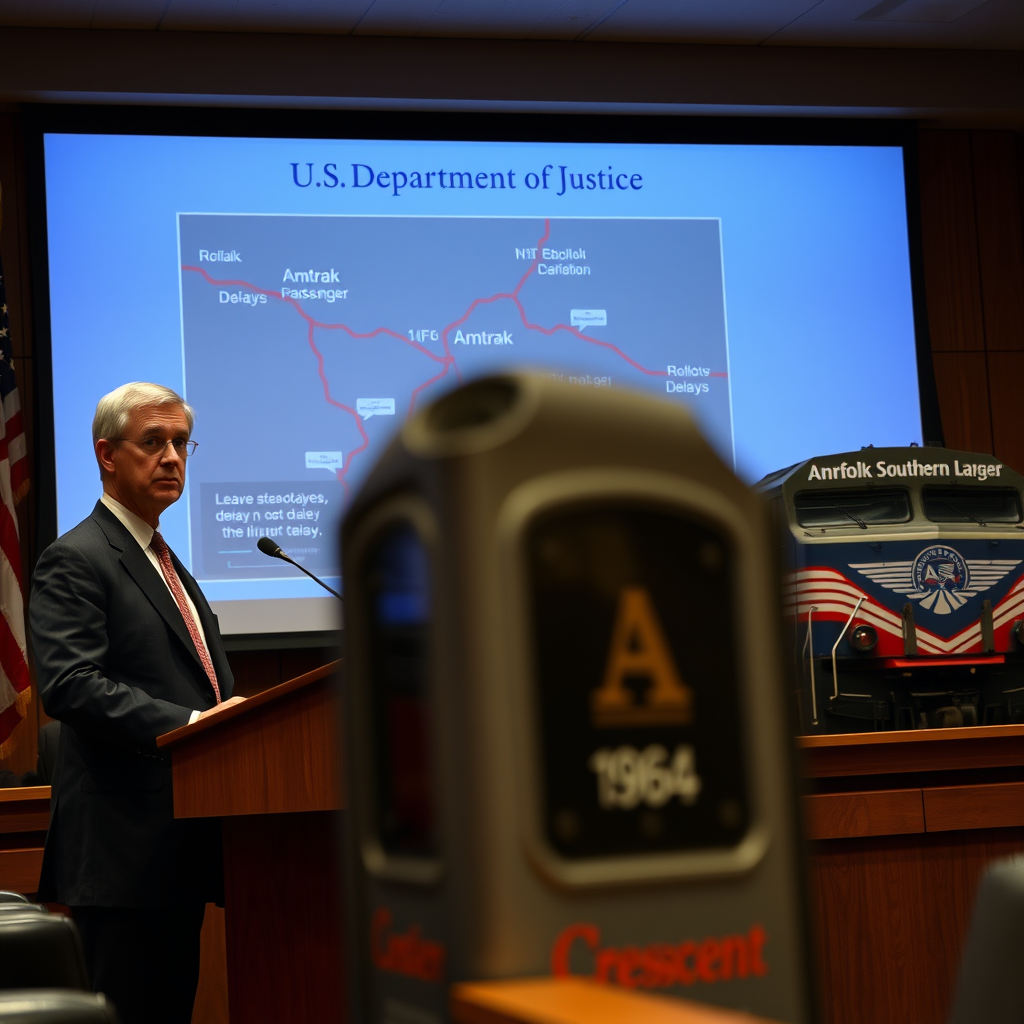
The US Department of Justice (DoJ) vs. Norfolk Southern: A Case Study in Passenger Rail Prioritization
This article delves into the recent civil action brought by the US Department of Justice (DoJ) against Norfolk Southern Railway Company (NS). The core issue revolves around NS’s alleged failure to prioritize Amtrak passenger trains over freight trains on the Crescent Route, a vital East Coast rail corridor spanning from New York City to New Orleans. This case highlights a critical challenge within the US rail system: the balance between freight transportation, crucial for the nation’s economy, and passenger rail service, essential for mobility and connectivity. The DoJ’s lawsuit underscores the legal framework designed to protect passenger rail operations and examines the consequences of non-compliance, impacting not only individual passengers but also Amtrak’s financial stability and the overall efficiency of the national rail network. The subsequent analysis will explore the legal framework governing train prioritization, the specific allegations against Norfolk Southern, the broader implications for the rail industry, and potential solutions to prevent future occurrences of this nature. This case serves as a crucial example of the ongoing tensions and challenges in maintaining a reliable and efficient intermodal passenger and freight rail system.
Legal Framework and Prioritization of Passenger Rail
For over fifty years, federal law has mandated that freight railroads provide preference to passenger trains on shared tracks. This prioritization is not arbitrary; it stems from the understanding that passenger rail services provide essential public transportation, impacting commuters, tourists, and the overall economy. The specific regulations outline the operational procedures freight railroads must follow to ensure timely and efficient passenger train movement, including minimizing delays caused by freight train operations. These regulations are essential for ensuring the reliability and viability of passenger rail services within a system where freight operations often dominate track usage due to their volume and economic importance. Failure to comply with these regulations, as alleged in the DoJ’s suit against Norfolk Southern, not only violates federal law but also undermines the integrity of the national passenger rail network.
Allegations Against Norfolk Southern
The DoJ’s complaint centers on numerous instances where Norfolk Southern allegedly prioritized its freight operations over Amtrak’s Crescent Route passenger trains. The suit presents specific examples of Amtrak trains being delayed for extended periods while freight trains were allowed to proceed, even in situations where track limitations prevented freight trains from easily clearing the path for faster passenger trains. These delays, according to the DoJ, resulted in significant passenger inconvenience and financial losses for Amtrak, directly impacting the passenger rail company’s on-time performance metrics. The 24% on-time arrival rate for Crescent Route services in 2023, as cited by the DoJ, starkly illustrates the extent of the problem. These allegations go beyond simple operational inefficiencies; they suggest a pattern of deliberate disregard for existing regulations and a prioritization of profit over compliance and public service.
Impact on the Rail Industry and Amtrak
The DoJ’s lawsuit has far-reaching implications for the entire rail industry. It serves as a strong warning to other freight railroads about the consequences of failing to comply with federal regulations regarding passenger train prioritization. The case underscores the need for robust oversight and enforcement mechanisms to ensure compliance and protect the interests of passenger rail services. For Amtrak, the lawsuit’s outcome could significantly influence its financial health and operational efficiency. Chronic delays damage Amtrak’s reputation, potentially reducing ridership and impacting revenue streams. This case may also stimulate a broader discussion on funding models and operational structures within the US passenger rail system. The potential for increased regulatory scrutiny and stricter enforcement could push the entire industry to re-evaluate its operational practices and prioritize passenger rail service more effectively.
Conclusions and Future Outlook
The DoJ’s civil action against Norfolk Southern marks a significant development in the ongoing effort to balance freight and passenger rail operations in the United States. The case underscores the critical importance of adhering to federal regulations designed to prioritize passenger rail services. The allegations of systemic delays and prioritization of freight traffic over passenger trains raise serious questions about Norfolk Southern’s commitment to compliance and its responsibility to the public. The 24% on-time performance rate for the Crescent Route in 2023 clearly demonstrates a failure to meet the standards set forth by law and highlights the significant negative impacts on passenger experience, Amtrak’s financial performance, and the overall efficiency of the national rail network. The DoJ’s involvement signifies a commitment to holding freight railroads accountable and to ensuring that passenger rail services are not unduly disadvantaged. The outcome of this case will undoubtedly shape future practices and policies within the rail industry, likely leading to increased scrutiny and stricter enforcement of regulations related to passenger train prioritization. Going forward, a more collaborative approach between freight and passenger rail operators, coupled with effective regulatory oversight, will be essential to ensuring a reliable and efficient rail system that meets the needs of both freight and passenger transport in the United States.
RELATED POSTS

March 27, 2023 3:53 am
This article explores Amtrak’s proposal for a new intercity passenger...
Upgrade your commuter rail system with modern infrastructure and a...

October 2, 2024 10:25 am
Deutsche Bahn (DB) has unveiled an extensive programme aimed at...
November 6, 2021 2:05 pm
Amtrak’s Baltimore Penn Station Overhaul: A Modernization for the Northeast...
March 14, 2023 3:16 pm
This article explores the significant advancement in integrated multimodal transport...

March 3, 2025 10:22 am
Accelerating the Energy Transition: Overcoming Infrastructure and Collaboration Challenges in...