
Class 379s: GTR’s Smart Rail Revival
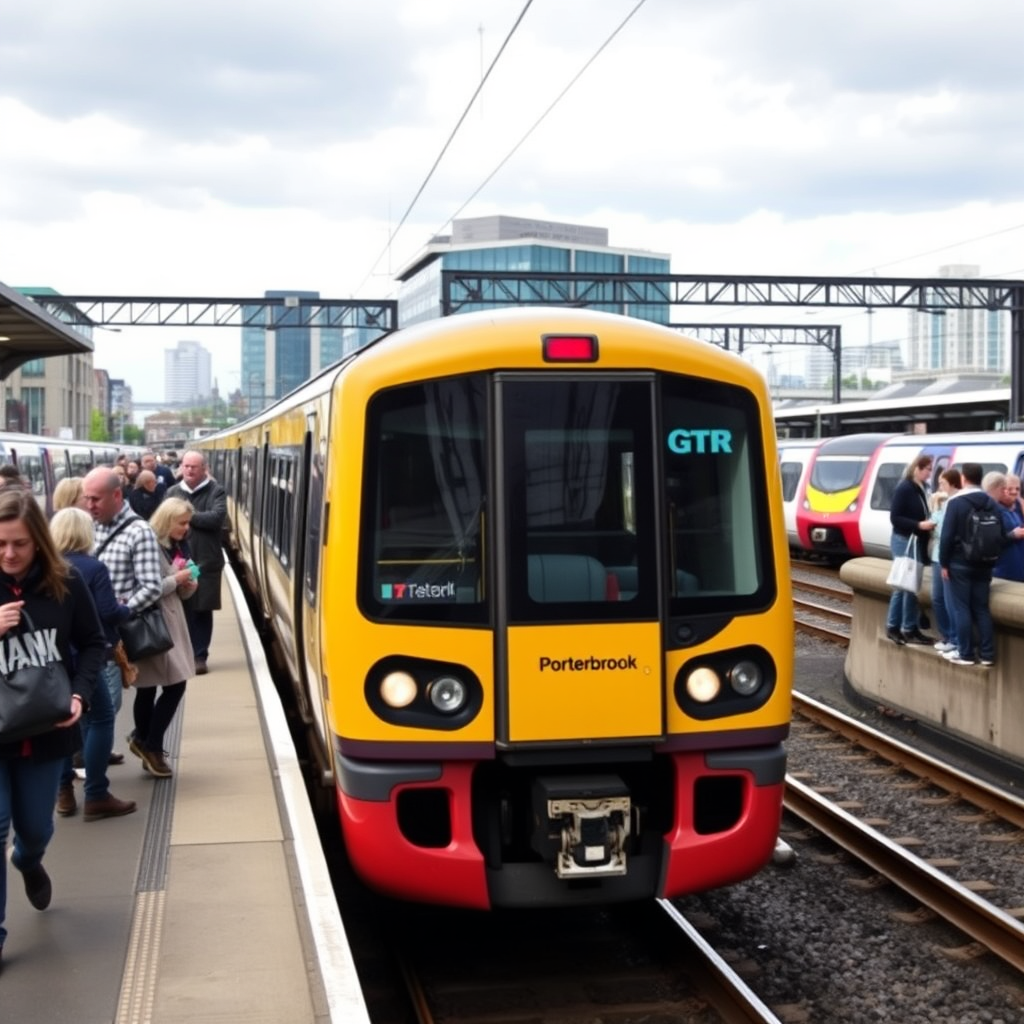
The Revival of Class 379 Electrostar EMUs on the GTR Network
This article examines the recent acquisition of thirty Class 379 Electrostar Electric Multiple Units (EMUs) by Porterbrook, a UK rail leasing company, and their subsequent lease to Govia Thameslink Railway (GTR). This acquisition marks a significant development in the UK rail industry, showcasing the potential for extending the lifespan of existing rolling stock through strategic asset management and repurposing. The deal highlights the complex interplay between leasing companies, train operators, and the evolving needs of a dynamic rail network. We will explore the history of the Class 379 fleet, the rationale behind Porterbrook’s acquisition, the implications for GTR’s operational capacity, and the broader significance of this transaction within the context of sustainable rail infrastructure management. The focus will be on the technical aspects of the decision, the financial considerations, and the strategic impact on the UK railway system as a whole. The analysis will go beyond a simple announcement to provide a detailed understanding of the intricacies involved in modern rail fleet management.
The History and Acquisition of the Class 379 Fleet
Manufactured by Bombardier Transportation (now Alstom) in 2011, the thirty Class 379 Electrostar EMUs initially operated under National Express East Anglia (NEEA). Following the end of the NEEA franchise, these trains transitioned to Greater Anglia. However, with the introduction of the newer Stadler Class 745 FLIRT trains, Greater Anglia placed the Class 379s into storage in February 2022. Porterbrook’s acquisition, for an undisclosed sum, represents a strategic investment in pre-owned rolling stock, allowing for a cost-effective expansion of GTR’s operational capacity. This transaction demonstrates the growing importance of the secondary market for railway vehicles in meeting the increasing demand for rail services while managing capital expenditure effectively.
GTR’s Operational Needs and Strategic Planning
The addition of the Class 379 fleet to GTR’s existing roster of 962 Class 377s and 260 Class 387s significantly strengthens its operational capabilities, particularly on the Great Northern route. This expansion directly addresses the growing demand for passenger services within the GTR network. The strategic decision by GTR reflects forward planning and a proactive approach to accommodating passenger growth and improving service reliability. By acquiring these additional EMUs, GTR aims to enhance service frequency, improve punctuality, and provide greater capacity to meet increasing ridership demands. This illustrates a well-defined strategy for capacity management within a highly competitive rail environment. The integration of the Class 379s will also allow for improved resource allocation and operational flexibility.
Porterbrook’s Role in Rail Asset Management
Porterbrook’s acquisition highlights the critical role of leasing companies in the UK rail industry. Their acquisition and subsequent lease of the Class 379s demonstrate a sophisticated approach to asset management. By acquiring and refurbishing existing rolling stock, Porterbrook contributes to extending the service life of trains, minimizing waste, and reducing the environmental impact of rail operations. This approach fosters sustainable practices within the rail sector, promoting both economic efficiency and environmental responsibility. Their decision underscores the strategic value of effectively managing the life cycle of railway assets and the importance of investing in rolling stock refurbishment and maintenance.
Financial and Environmental Implications
The financial details of the transaction remain undisclosed, but the acquisition undoubtedly offers cost advantages compared to purchasing entirely new rolling stock. Repurposing existing trains significantly reduces the overall investment required by GTR, providing a financially sound approach to capacity expansion. Moreover, extending the lifespan of the Class 379s contributes to environmental sustainability by reducing the need to manufacture and dispose of new trains, minimizing the carbon footprint of the rail network. This sustainable approach aligns with the growing emphasis on environmentally friendly practices within the transport sector. The cost-effectiveness and environmental benefits highlight the strategic advantages of this model.
Conclusions
The acquisition of the Class 379 Electrostar EMUs by Porterbrook and their subsequent lease to GTR represents a significant development in the UK rail industry. This transaction demonstrates a strategic approach to asset management, emphasizing cost-effectiveness and environmental sustainability. The deal showcases the growing importance of the secondary market for railway vehicles, allowing for capacity expansion without the high capital costs associated with new rolling stock. For GTR, the addition of these trains directly addresses the growing demand for passenger services, enhancing operational capacity and service reliability. The partnership between Porterbrook and GTR exemplifies a collaborative model that promotes both efficiency and sustainability within the rail sector. The successful re-introduction of these EMUs underscores the potential for extending the lifespan of existing rolling stock through proactive maintenance and strategic repurposing, creating a more sustainable and cost-effective approach to rail infrastructure management. This model could serve as a benchmark for other railway operators and leasing companies seeking innovative and sustainable solutions to meet the ever-evolving demands of the modern railway system. The long-term implications of this acquisition could lead to a wider adoption of similar strategies, fostering a more sustainable and cost-effective future for the UK’s rail network.
RELATED POSTS

September 22, 2015 1:22 pm
A consortium between Bombardier, Alstom and Indra has received the...

June 30, 2025 10:33 am
European railway leaders urge continued centralized EU funding for vital...

March 17, 2025 3:13 am
This article examines the recent acquisition of two new track...

February 12, 2025 2:35 pm
This article explores the significant modernization project underway in Lille’s...

April 12, 2025 5:48 pm
This article explores the significant collaboration between Alstom and Škoda...

August 24, 2023 11:06 pm
The Long Island Rail Road Derailment: A Case Study in...