
Bristol Temple Meads Rail: Innovations for Passenger Experience
Bristol Temple Meads station seeks SME innovation for improved passenger experience. Network Rail, Connected Places Catapult, and Innovate UK are collaborating to address wet floors, improve interchange, and enhance safety.
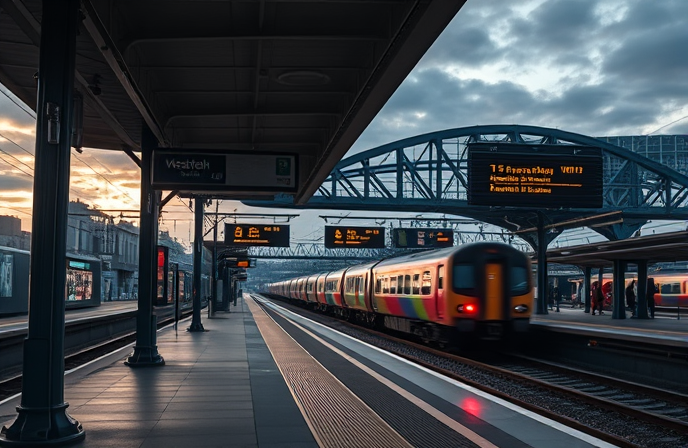
Innovations Sought to Enhance Passenger Experience at Bristol Temple Meads
The rail industry is constantly evolving, and now, Small and Medium Enterprises (SMEs) have a prime opportunity to shape the future of passenger experience at Bristol Temple Meads station. The Connected Places Catapult, the UK’s leading innovation accelerator, has launched the latest iteration of its Station Innovation Zone program, in collaboration with Network Rail and funded by Innovate UK. Applications are now open for SMEs to develop and trial technologies aimed at combating wet floors and improving the interchange experience at this critical transport hub. This year’s initiative, which builds on the successes of previous programs, seeks to address key challenges facing the rail network. The goal is to enhance passenger safety, reduce anxiety during platform changes, and create a more seamless travel experience for all. Applications close on Wednesday 24 September 2025.
Addressing the Challenges: Station Weather Resilience
One of the primary focuses of this year’s program is station weather resilience, specifically addressing the issue of wet floors caused by condensation. This presents a significant safety hazard, contributing to slips and falls. The challenge calls for innovative solutions that can predict and mitigate surface condensation. Applicants are encouraged to propose solutions that minimize reliance on matting and public safety announcements, which can detract from the station’s aesthetics. Consideration should also be given to preserving the station’s heritage and ensuring full accessibility for all passengers. This is a crucial step in maintaining a safe environment, especially in older station buildings. The goal is to create a more durable and safer infrastructure.
Improving the Interchange Experience: Streamlining Passenger Journeys
The second major challenge focuses on improving the interchange experience, particularly during short-notice platform changes. Rapid platform changes can cause stress and anxiety for passengers, impacting the overall travel experience. Proposed solutions should aim to reduce the feeling of being rushed and instead, promote calmness and preparedness. Potential innovations could include physical interventions using light or sound, or digital tools such as augmented reality to guide passengers. Enhancements to passenger information systems (PIS) will also be examined. The aim is to use technology to provide passengers with clear information, thus enabling easier connections and a better experience.
Funding and Support for Innovation
Selected SMEs will receive substantial support to bring their ideas to life. Up to eight companies will be awarded £4,000 each to develop detailed trial plans. Following the plan development phase, up to three companies will be selected for live trials at Bristol Temple Meads, with up to £45,000 allocated for deployment. Furthermore, participants will gain access to invaluable business and investment support, alongside prominent exposure at industry events. This multi-faceted approach is designed to give promising technologies a strong platform for commercial success and widespread adoption within the rail industry.
The Value of Collaboration and Past Successes
The Station Innovation Zone highlights the power of collaboration between Network Rail, Connected Places Catapult, and Innovate UK. The program’s success is evident in the positive feedback from previous participants. Haydon Bartlett-Tasker, Managing Director of CrossTech, noted the program provided the opportunity to evolve its system within the complex real-world environment of a busy station. Christian Kerrigan, founder of Co-You, highlighted the invaluable support during the trial phase, noting how difficult it is to get access to the rail market. The program’s supportive environment enables SMEs to navigate the complexities of the rail industry and bring innovative solutions to market. Bristol Temple Meads is a suitable trial location because it is a major transport hub.
Conclusion
The Station Innovation Zone represents a vital initiative for driving innovation in the rail sector. By focusing on key areas such as station safety and interchange experience, the program seeks to improve the passenger journey, promoting a more efficient and enjoyable experience. The collaboration between Connected Places Catapult, Network Rail, and Innovate UK provides an excellent platform for SMEs to showcase their expertise and bring forward ground-breaking technology. This initiative not only addresses critical issues within the rail industry but also underscores the importance of continuous innovation to create safer and more efficient stations. With applications closing in September, the industry is encouraged to embrace this unique opportunity to shape the future of rail travel and benefit from the expertise and experience. The lessons learned and the technologies developed in this program will likely have implications for the entire rail network.
RELATED POSTS

July 14, 2025 9:33 pm
Amtrak Heartland Flyer saved by regional funds, avoiding service halt....

June 29, 2017 8:56 pm
The German operator Bremer Straßenbahn AG (BSAG) has ordered a...

September 21, 2023 5:58 pm
UIC Leaflet No: 565-3 - Chapter 5 - Rolling Stock...

May 29, 2019 1:31 am
London Underground uses Wi-Fi data to optimize services. Real-time...
August 12, 2016 7:02 pm
The MMRDA is building the 18.6 km Mumbai Trans Harbour...

September 30, 2025 1:54 am
St. Louis scraps the $1.1B Green Line light-rail project. Instead,...