
Alstom Expands in China: Hefei Rail Venture
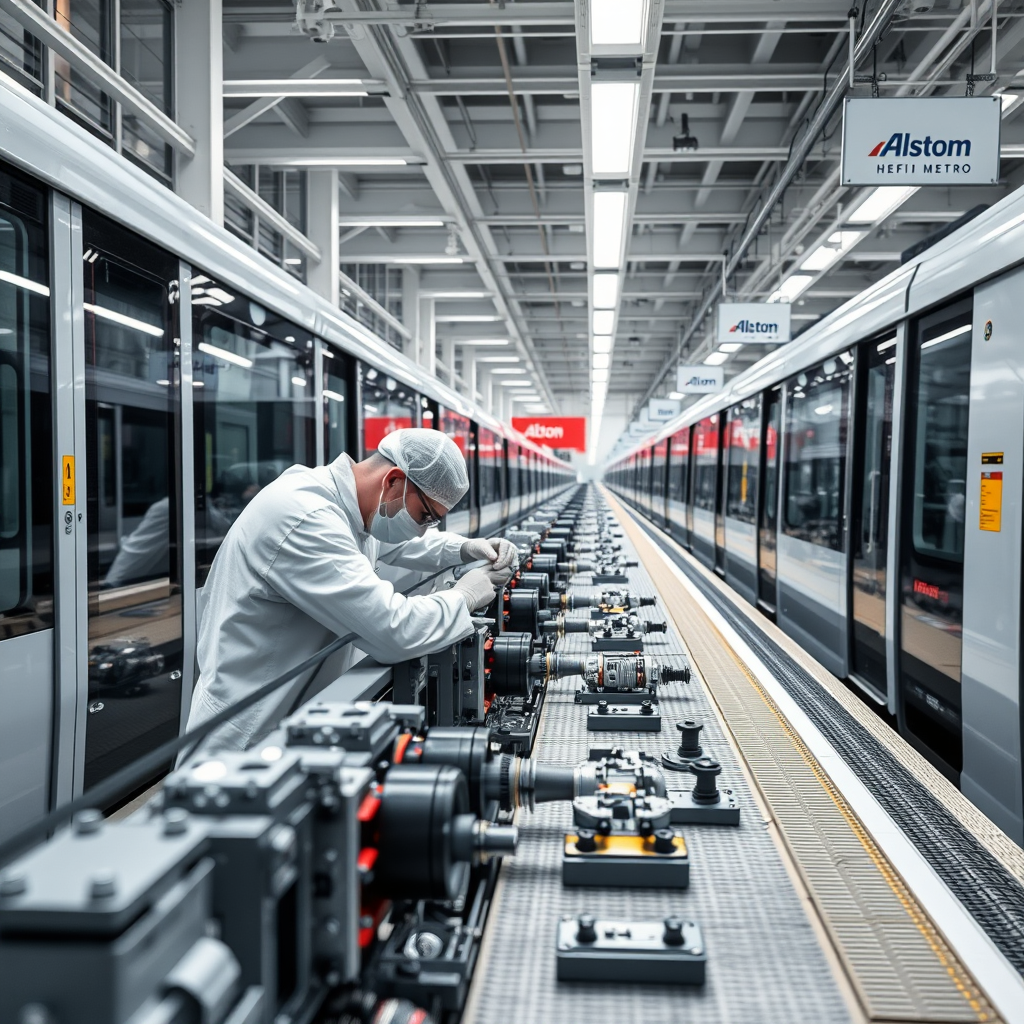
Alstom Expands its Chinese Footprint: A Strategic Venture in Hefei
Alstom, a global leader in rail transportation, has significantly expanded its presence in the Chinese market with the launch of a new joint venture in Hefei, Anhui Province. This strategic move underscores Alstom’s commitment to the burgeoning Chinese rail sector and highlights the company’s ability to navigate the complexities of this vital market. This article will delve into the specifics of this new venture, its implications for Alstom’s overall strategy in China, and the broader context of international collaboration within the Chinese railway industry. We will explore the significance of this Hefei factory, its contribution to local infrastructure development, and the technological advancements it represents within the context of sustainable rail transportation. The analysis will also consider the competitive landscape and Alstom’s long-term goals in a market dominated by domestic players.
Hefei Alstom Rail Transport Equipment (HATEE): A New Chapter in Alstom’s China Strategy
The establishment of HATEE, a joint venture between Alstom and the Hefei Xinzhan High-tech Industrial Development Zone, marks Alstom’s second major manufacturing facility in China. This follows the successful partnership established with CRRC Puzhen in 2014, creating CRRC Puzhen Nanjing Alstom Transportation Systems (PATS). The decision to locate the new traction systems factory in Hefei is a strategic one, positioning Alstom to contribute directly to the development of Hefei’s burgeoning metro system, specifically Line 8, an autonomous line. The selection of Hefei, a rapidly developing city strategically located near Shanghai, demonstrates Alstom’s commitment to participating in the expansion of China’s high-speed rail and urban transit networks.
Technological Advancement and Local Capacity Building
HATEE’s primary function is the manufacturing of traction systems for the Hefei Metro. This is a critical component of any modern rail system, responsible for the propulsion and control of trains. The factory is set to commence trial production in October 2024, taking over the production of traction systems for Line 8 from Alstom’s existing joint venture in Shanghai, Shanghai Alstom Transport Electrical Equipment (SATEE). This transfer of production signifies not only operational efficiency but also a commitment to fostering local expertise and capacity within the Hefei region. The creation of local manufacturing capabilities supports Alstom’s long-term commitment to the Chinese market and allows for more efficient servicing of projects in the region.
Navigating the Chinese Rail Market: A Competitive Landscape
While the Chinese railway manufacturing sector is heavily dominated by domestic companies like CRRC (China Railway Rolling Stock Corporation), Alstom has successfully established a strong presence through strategic partnerships and joint ventures. This approach allows Alstom to leverage its technological expertise and advanced manufacturing techniques while benefiting from local market knowledge and regulatory compliance. The success of HATEE will further solidify Alstom’s position in the Chinese market, showcasing its ability to integrate its advanced technology within a collaborative framework.
Sustainability and Future Growth
Alstom’s commitment to sustainability is evident in its focus on electric locomotives and energy-efficient technologies. The development of HATEE supports this commitment by contributing to the growth of sustainable public transportation in Hefei. The adoption of modern traction systems is crucial for the operational efficiency and environmental friendliness of the Hefei Metro. This aligns with China’s broader national goals for sustainable urban development and environmental protection. The success of HATEE not only contributes to the development of Hefei’s infrastructure but also underscores Alstom’s commitment to environmentally responsible rail solutions.
Conclusion
Alstom’s establishment of HATEE in Hefei represents a significant strategic move, demonstrating the company’s continued commitment to the Chinese rail market despite the challenges presented by a largely domestic industry. The joint venture, building upon the existing success of PATS and SATEE, leverages Alstom’s technological expertise while fostering local capacity building in Hefei. The focus on manufacturing traction systems for the Hefei Metro’s Line 8 showcases Alstom’s ability to deliver technologically advanced solutions, contributing to both the city’s infrastructure development and China’s broader goals for sustainable transportation. The success of HATEE will not only contribute to Alstom’s financial growth in China, but also reinforce its global reputation for innovation and strategic partnerships in the rail industry. The long-term implications for Alstom are significant, positioning the company for continued growth and influence within the rapidly expanding Chinese rail sector. The project highlights a successful model for international collaboration within the Chinese market, blending foreign expertise with local infrastructure development, ultimately contributing to sustainable and efficient urban transportation across China. The future success of HATEE will depend on continued collaboration between Alstom and its Chinese partners, as well as the adaptability to the ever-evolving dynamics of the Chinese railway market.
RELATED POSTS
October 15, 2025 3:54 pm
Singapore's LTA enhances **railway infrastructure** with optical and IP/MPLS solutions,...

October 4, 2022 5:30 pm
Green Revolution on the Rails: Wabtec and KTZ’s Sustainable Rail...
February 1, 2019 9:25 pm
Indian Railways is hiring 230,000! This massive recruitment drive...

April 25, 2025 10:07 pm
India’s Ambitious Rail Expansion Under Prime Minister Modi: A Comprehensive...

December 8, 2025 6:42 pm
Adif invests €13.3 million in critical signalling maintenance for the...

February 19, 2025 9:47 pm
The Economic and Social Impact of California’s High-Speed Rail Project...