
Belgium Completes ETCS Level 2 Rollout: Boosts European Rail
Belgium completes its nationwide ETCS Level 2 rollout across 2,274km, enhancing cross-border rail and solidifying its position as a key European transport hub.
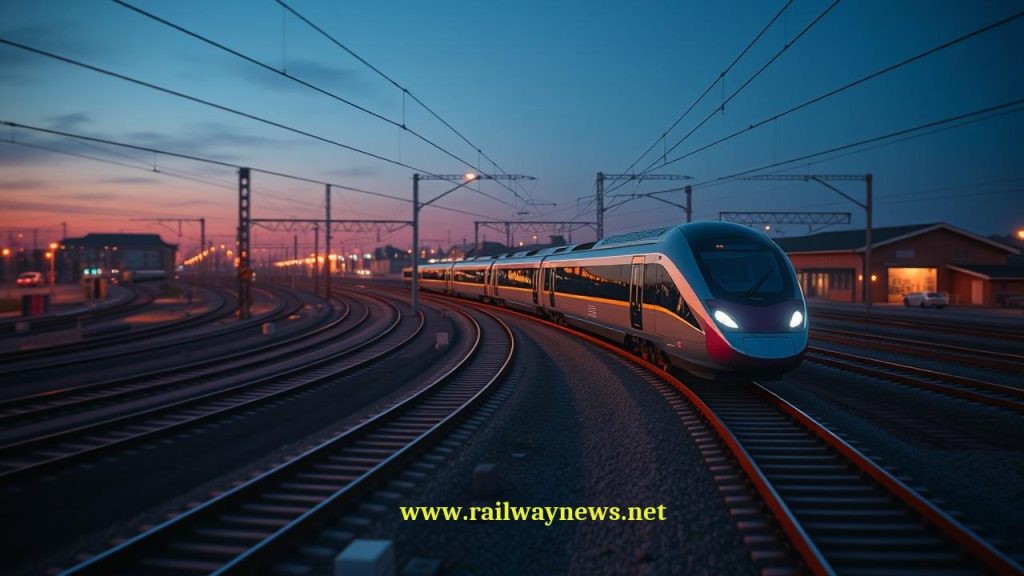
Belgium has successfully completed the nationwide rollout of ETCS Level 2 signalling across its entire 2,274km rail network, a landmark achievement that solidifies its position as a central hub for European rail transport. The project, delivered by infrastructure manager Infrabel and contractor Equans, concludes a multi-year effort to modernise the country’s infrastructure and enable seamless cross-border operations in line with EU standards.
| Category | Details |
|---|---|
| Project | Nationwide ETCS Level 2 Implementation |
| Infrastructure Manager | Infrabel (Belgium) |
| Primary Contractor | Equans |
| Timeline | 2015 – 2024 |
| Key Technical Specs | 2,274 km track, 37 Radio Block Centres (RBCs), 19,000+ balises |
Belgian infrastructure manager Infrabel, in partnership with technology services firm Equans, has officially concluded the deployment of the European Train Control System (ETCS) Level 2 across all national railway lines. The comprehensive upgrade, guided by Belgium’s ‘ETCS Masterplan’, began in 2015 with the goal of replacing legacy signalling systems that posed challenges to reliability and interoperability. The project covered major routes connecting key cities such as Bruges, Ghent, Mons, and Verviers, as well as critical European freight and passenger corridors.
The technical scope of the project was extensive, involving the installation of a complex digital ecosystem. The network now integrates 46 advanced interlockings and is controlled by 37 Radio Block Centres (RBCs). Train position and movement authority are managed through continuous communication via the GSM-R network, using data from over 19,000 track-side balises. While some 4,536 physical signals remain, the Level 2 system prioritises in-cab signalling, providing drivers with real-time data and enhancing operational safety and efficiency. Equans was responsible for the full range of site installation, from civil engineering and cabling to hardware deployment and documentation.
This technological standardisation is a critical enabler for the burgeoning international rail market. The elimination of signalling-based border delays directly supports the expansion of operators like European Sleeper, a Dutch-Belgian company that recently announced plans for new overnight services from Brussels to Milan and Paris to Berlin. By achieving 100% ETCS coverage, Belgium has created a highly attractive and fluid environment for such cross-border services, aligning its infrastructure with the EU’s vision for a Single European Railway Area.
Key Takeaways
- Full Network Modernisation: Belgium has now equipped its entire rail network with ETCS (Levels 1 and 2), replacing outdated legacy systems and significantly improving safety and reliability.
- Enhanced Cross-Border Interoperability: The standardisation to ETCS Level 2 removes technical barriers at borders, facilitating smoother international passenger and freight traffic through a key European logistics hub.
- Foundation for Growth: The upgraded infrastructure provides a stable and efficient platform for rail operators to expand services, as seen with the growth plans of international carriers like European Sleeper.
Editor’s Analysis
Belgium’s completion of its nationwide ETCS Level 2 rollout is more than a domestic infrastructure upgrade; it is a strategic masterstroke that cements its role as the crossroads of Europe’s railway network. By becoming one of the first countries to achieve full coverage, Infrabel has created a powerful competitive advantage, attracting international operators seeking reliable and efficient transit. This move sets a new benchmark and puts implicit pressure on neighbouring countries to accelerate their own ETCS deployments. The true value of this investment will be realised not just in improved domestic performance, but in the seamless, high-capacity international corridors it now anchors, paving the way for a genuine Single European Railway Area.
Frequently Asked Questions
What is ETCS Level 2?
ETCS (European Train Control System) Level 2 is an advanced digital signalling system that uses the GSM-R radio network for continuous communication between the train and a central Radio Block Centre (RBC). This allows for in-cab signalling and real-time train management, increasing safety, capacity, and efficiency compared to traditional lineside signals.
Who were the main partners in this project?
The project was a collaboration between Infrabel, Belgium’s national railway infrastructure manager, and Equans, which managed the extensive site installation work including hardware deployment, cabling, and civil engineering.
What are the primary benefits of this upgrade for passengers and freight?
The main benefits include improved train punctuality and reliability due to the modern digital system. Crucially, it enables seamless cross-border travel without the need for trains to stop or change locomotives at borders for signalling system changes, which directly benefits international passenger services and freight logistics.
RELATED POSTS

September 28, 2019 4:10 am
This article examines the strategic partnership between Stadler, a Swiss...
March 26, 2025 4:30 am
The global railway industry is undergoing a significant transformation, driven...
December 20, 2021 2:16 pm
The North American freight rail industry faces a critical need...
August 7, 2021 4:28 pm
This article explores the innovative partnership between Trainfo and RapidDeploy,...
December 26, 2016 4:57 pm
In 2023, Swiss railways saw 2,175 accidents, but a massive...
July 7, 2021 1:05 am
Introduction The development of sustainable infrastructure is paramount in the...