
Union Pacific, Norfolk Southern Propose $85B Transcontinental
Union Pacific and Norfolk Southern propose an $85B merger, aiming to create the first U.S. transcontinental railroad, but face opposition over safety and competition.
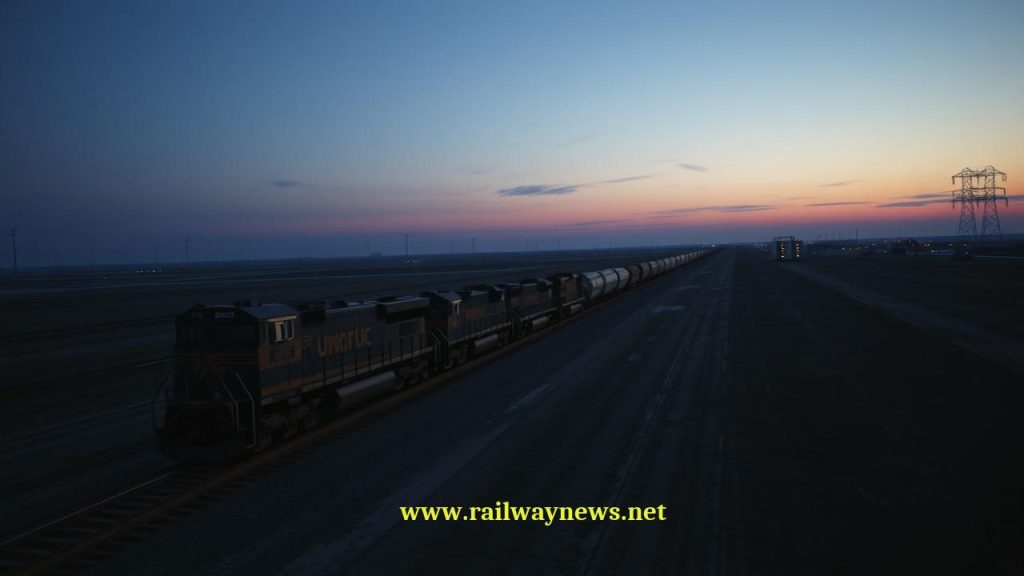
WASHINGTON D.C. – Union Pacific Railroad and Norfolk Southern Railway have officially submitted their proposed $85 billion merger application to the Surface Transportation Board (STB), formally beginning the regulatory battle to create the first single-line, coast-to-coast freight rail network in United States history. The proposal, which aims to create a seamless network of over 50,000 route miles, now faces intense scrutiny from regulators, shippers, and major rail unions who have voiced strong opposition over safety and competition concerns.
| Category | Details |
|---|---|
| Proposed Merger | Union Pacific Railroad (UP) & Norfolk Southern Railway (NS) |
| Transaction Value | $85 Billion |
| Regulatory Body | Surface Transportation Board (STB) |
| Combined Network Size | Over 50,000 route miles across 43 states, connecting ~100 ports |
| Key Opposition | Two major rail unions, citing safety risks and increased shipping rates |
| Projected Closing | Early 2027, pending STB approval |
The highly anticipated application was filed today, following a shareholder approval vote at both companies in November and an initial announcement of intent in late July. In their filing, the Class I railroads argue that their combination will forge a more resilient U.S. supply chain, providing customers with “safer, faster and more reliable service.” The companies assert that a unified transcontinental network will eliminate interchange complexities, streamline freight movement, and unlock new service options for underserved markets.
According to the application, a key public benefit of the merger would be the creation of a more formidable competitor to the long-haul trucking industry. Speaking on the matter, NS CEO Mark George emphasized that the reliability of single-line service far exceeds that of inter-railroad partnerships. “Our transcontinental railroad will accelerate freight movement…and compete more effectively with trucks on the highway, providing more options for shippers,” George stated. The railroads also contend the merger will benefit short-line operators, who often handle the critical first and last miles of track, by providing them with more streamlined access to a national network.
Despite the railroads’ optimistic projections, the proposal faces a wall of opposition. Two of the largest rail unions, representing over half of the combined workforce, have publicly opposed the deal. Their primary concerns center on the potential for increased safety risks, job cuts, higher shipping rates that could translate to higher consumer prices, and the risk of significant service disruptions during the integration period. This skepticism is echoed by some industry experts, including DePaul University Professor Joe Schwieterman, who warned that a merger of this magnitude could trigger a final wave of consolidation, potentially leaving the U.S. with only two major freight railroads and drastically reducing competition.
Key Takeaways
- Historic Consolidation: If approved, the $85 billion merger would create the first single-line transcontinental railroad in the U.S., connecting the Atlantic and Pacific coasts.
- Efficiency vs. Competition: The railroads argue the merger will boost efficiency and better compete with trucking, while opponents fear it will stifle rail competition and raise costs.
- Regulatory Test: The STB’s decision will be a landmark ruling, setting a precedent for future large-scale infrastructure mergers and testing its modern approach to rail consolidation, following its approval of the smaller Canadian Pacific-Kansas City Southern merger.
Editor’s Analysis
The Union Pacific-Norfolk Southern proposal is more than just a domestic business deal; it’s a referendum on the future of North American logistics. For the global rail market, this is a critical test case. A successful merger could signal a new era of mega-consolidation, where efficiency and scale are prioritized to combat the dominance of trucking and strengthen intercontinental supply chains. However, a regulatory rejection would send a powerful message that preserving competition and protecting labor interests remains paramount. International shippers and logistics firms that rely on the U.S. land bridge between Asia and Europe will be watching closely, as the outcome will directly impact the speed, cost, and reliability of moving goods across the continent for decades to come.
Frequently Asked Questions
- What is the proposed Union Pacific and Norfolk Southern merger?
- It is an $85 billion proposal to combine the two Class I railroads, which would create the first single railroad company connecting the East and West coasts of the United States.
- What are the main benefits the railroads claim?
- The companies state the merger will provide faster and more reliable single-line service, strengthen the U.S. supply chain, and allow rail to compete more effectively against the long-haul trucking industry.
- Who is opposing the merger and why?
- Two of the largest rail unions are opposed, citing major concerns over potential safety compromises, job losses, higher shipping costs for customers, and the risk of significant service disruptions.

Transport and railway industry editor covering global rail infrastructure, sustainable mobility, urban transit systems and next-generation railway technologies with a focus on accessible and industry-focused reporting.
RELATED POSTS
September 6, 2026 6:17 am
Hungary ordered a national ban on most freight trains from...

September 5, 2026 4:19 pm
CPK launched formal tender talks with four consortia to design...

September 6, 2026 4:12 am
Alstom delivered the first of 100 new G Class trams...

September 5, 2026 7:14 pm
HS2 Ltd signed renegotiated civils contracts with EKFB and Align...
September 7, 2026 8:16 am
Midea, Gree and TCL shipped air conditioners via China Railway...
September 5, 2026 6:17 pm
Universal Signalling won a deal to install its U-Cross system...