
Optimizing Railway Infrastructure: Passenger Experience Enhancement
Optimize your railway infrastructure for a superior passenger experience. Advanced signaling and station design are key to attracting and retaining passengers. Discover how!

Optimizing Railway Infrastructure for Enhanced Passenger Experience
The modern railway landscape is undergoing a significant transformation, driven by technological advancements and a growing emphasis on passenger comfort and efficiency. This article delves into the crucial aspects of optimizing railway infrastructure to deliver a superior passenger experience. From innovative signaling systems to streamlined station design, various strategies contribute to a more seamless and enjoyable journey. This analysis examines the key components of this transformation, highlighting the interplay between technological progress, operational procedures, and passenger expectations. By understanding the interdependencies within these elements, we can unlock the potential for a more efficient, comfortable, and ultimately, more desirable railway experience.
The Significance of High-Speed Rail Integration
High-speed rail networks are increasingly important for connecting cities and regions. The development and integration of high-speed rail lines require careful consideration of infrastructure upgrades, including track geometry, signaling, and communication systems. Advanced technologies play a pivotal role in ensuring operational safety and efficiency. Precise train control systems are vital, employing advanced signaling technologies to achieve minimal spacing and high-speed operations. This necessitates robust infrastructure investments to meet the rigorous demands of high-speed rail travel. The need for reliable and high-capacity infrastructure is crucial to accommodate the demands of future travel and meet the growing expectations of passengers.
Modernizing Station Design for Enhanced Passenger Flow
Modern station design is not merely about aesthetics; it significantly impacts passenger flow and overall experience. Efficient platform designs, integrated ticketing systems, and strategically placed amenities directly influence passenger satisfaction. Consideration of accessibility needs for diverse passenger groups is essential. Smart technologies, such as real-time information displays, help passengers navigate stations and plan their journeys smoothly, decreasing wait times and optimizing their time. Well-designed and well-maintained stations are key to providing a welcoming and positive environment for passengers.
Innovations in Signaling and Train Control Systems
Advanced signaling systems are paramount for safe and efficient railway operations. Modern systems, leveraging technologies like automatic train protection (ATP), play a vital role in enhancing safety and minimizing delays. Communication-based train control (CBTC) systems further improve safety and efficiency by allowing for more precise train positioning and more flexible scheduling, leading to reduced delays and more predictable travel times. The implementation of such innovative technologies not only improves safety but also improves the overall passenger experience through more reliable and punctual services.
Conclusion: The Future of Railway Infrastructure
The optimization of railway infrastructure is a multifaceted endeavor that demands a holistic approach. From integrating high-speed rail to modernizing station design, implementing cutting-edge signaling systems is crucial to enhancing the passenger experience. The adoption of innovations like ATP and CBTC systems leads to a safer and more reliable railway network. Moreover, the emphasis on passenger convenience and accessibility needs to be constantly re-evaluated and upgraded. This continuous improvement in infrastructure is pivotal to ensuring that railway travel remains a vital and desirable mode of transport for the future. The future of railway travel depends on the meticulous planning and execution of these infrastructure improvements. Ultimately, by prioritizing passenger needs and incorporating innovative technologies, railway systems can effectively compete with other modes of transportation, attracting more passengers and shaping a more connected future. The integration of advanced technologies such as those found in the Hitachi Class 802 train, demonstrates the potential for further advancements in rail transport.
By continuously adapting to changing passenger expectations and technological advancements, railway operators can enhance the overall travel experience, making train travel a more attractive and efficient option for the future. Passenger satisfaction and efficiency can be optimized through these strategies. This ultimately creates a positive impact on the railway industry’s future growth and competitiveness.
You might be interested in:
Last December 2018, we published an article about a cutting-edge light rail project in Ulm. Click here to read – Ulm’s Tram Line 2: A Modern LRT Case Study
RELATED POSTS
July 22, 2022 7:04 pm
The Swiss Rail Market and the Siemens Vectron Locomotive: A...
July 10, 2025 8:34 am
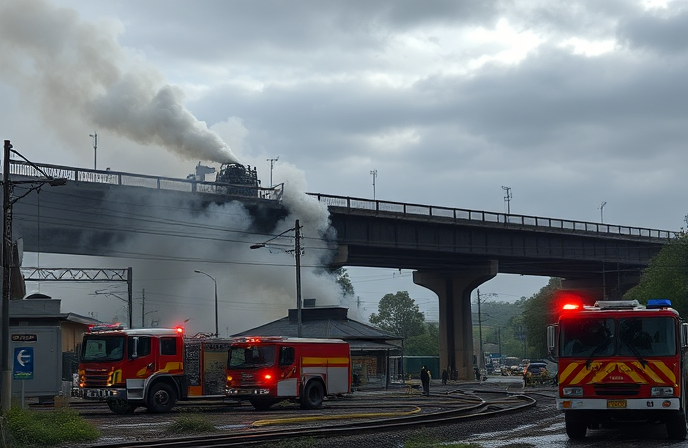
West Melbourne railway bridge fire causes major delays on Upfield,...
November 4, 2022 8:10 pm
This article delves into the significant contract awarded to Alstom,...

CN's Falcon Premium wins Silver Container award for intermodal excellence,...

March 26, 2025 1:40 pm
Introduction This article explores the groundbreaking real-world trials of FastCharge...

October 30, 2010 8:20 am
On Tuesday JSC «Locomotive» (subsidiary enterprise JSC “National Company “Kazakhstan...