
Alaska Rail’s Future: Sustainable Transport Trends
The future of commuter rail hinges on smart infrastructure investment and cutting-edge technology. Discover how we’re building safer, more efficient railway systems for tomorrow!

The Future of Commuter Rail Systems: Challenges and Opportunities
The global landscape of commuter rail is undergoing a period of significant transformation. Increasing urbanization, concerns about environmental sustainability, and the need for efficient and reliable public transportation are driving a renewed focus on the development and modernization of commuter rail networks. This article explores the key challenges and opportunities facing commuter rail systems worldwide, examining factors such as infrastructure investment, technological advancements, operational efficiency, and the integration of commuter rail into broader transportation strategies. We will delve into the complexities of funding, maintenance, and expansion, while considering the crucial role of commuter rail in addressing urban congestion and promoting sustainable mobility. The specific case of Alaska, with its unique geographical challenges and opportunities for commuter rail development, will also be discussed, highlighting the potential for adapting innovative solutions to address the specific needs of diverse environments. Ultimately, this analysis aims to offer a comprehensive overview of the current state and future trajectory of commuter rail, emphasizing the importance of strategic planning and investment to ensure the viability and success of these vital transportation systems.
Infrastructure Investment and Modernization
The foundation of any successful commuter rail system is a robust and well-maintained infrastructure. This includes tracks, signaling systems (ATP – Automatic Train Protection), rolling stock (trains and locomotives), stations, and supporting facilities. Significant investment is required not only for initial construction but also for ongoing maintenance and upgrades. Deferred maintenance can lead to costly repairs, disruptions to service, and safety hazards. Modernization efforts may include electrification to reduce emissions and improve efficiency, the implementation of advanced signaling systems to increase capacity and reduce delays, and the upgrading of stations to improve passenger experience and accessibility. The funding of these projects often presents a significant challenge, requiring collaboration between governments, private sector partners, and transit agencies. Securing adequate and consistent funding is critical for long-term sustainability.
Technological Advancements and Operational Efficiency
Technological advancements are revolutionizing the commuter rail industry. Positive Train Control (PTC) systems, for instance, enhance safety by automatically preventing train collisions and derailments. Advanced signaling systems optimize train scheduling and increase track capacity. Data analytics are being used to improve operational efficiency, predict maintenance needs, and enhance the passenger experience through improved real-time information and personalized services. The integration of smart ticketing systems simplifies fare collection and improves passenger flow. Furthermore, the exploration of autonomous train technology holds the potential to further enhance safety and efficiency in the future. The adoption of these technologies requires significant investment in training and expertise, but the potential benefits in terms of safety, efficiency, and reduced operational costs are substantial.
Integration with Broader Transportation Networks
Effective commuter rail systems are not isolated entities; they must be seamlessly integrated with other modes of transportation to create a comprehensive and efficient multimodal transportation network. This integration includes connections to bus routes, subways, light rail, and even ride-sharing services. Convenient transfer points, integrated ticketing systems, and coordinated scheduling are essential for encouraging passengers to use public transport as their primary mode of travel. Such integrated networks can significantly improve accessibility, reduce reliance on private vehicles, and contribute to reduced traffic congestion and emissions. This requires collaboration and coordination between various transportation agencies and stakeholders to ensure a seamless and efficient passenger experience.
The Unique Case of Alaska Commuter Rail
Alaska presents a unique set of challenges and opportunities for commuter rail development. The vast distances, rugged terrain, and harsh climate pose significant infrastructure and operational challenges. However, the potential benefits of reducing reliance on cars and airplanes for intra-state travel are considerable. The development of Alaska commuter rail would require careful consideration of environmental impacts, cost-effectiveness, and the specific needs of Alaskan communities. Innovative solutions, such as specialized rolling stock designed for extreme weather conditions, may be necessary to ensure the viability and success of such a system. Investing in Alaska commuter rail could stimulate economic growth in remote areas, improve access to employment and healthcare, and enhance the overall quality of life for Alaskan residents.
Conclusion
The future of commuter rail systems hinges on a multi-faceted approach that addresses the challenges and capitalizes on the opportunities outlined above. Significant investment in infrastructure modernization is paramount, requiring strategic planning and collaboration between governments, private entities, and transit agencies. The adoption of advanced technologies, such as PTC and advanced signaling systems, is essential for enhancing safety, efficiency, and capacity. Integrating commuter rail into broader transportation networks through multimodal planning and coordinated scheduling is crucial for attracting ridership and reducing reliance on private vehicles. The unique circumstances of specific regions, such as the challenges and potential of Alaska commuter rail, necessitate tailored solutions that consider the specific geographical and environmental constraints. Ultimately, a well-planned and strategically invested commuter rail system offers a sustainable and effective solution for addressing urban congestion, promoting environmental responsibility, and improving the overall quality of life for millions of commuters worldwide. The success of these systems relies on a holistic approach that considers infrastructure, technology, integration, and the specific needs of each community. By embracing innovation and strategic planning, we can unlock the full potential of commuter rail as a vital component of a sustainable transportation future. Through careful consideration of these factors, and through the implementation of innovative and efficient solutions, commuter rail systems can contribute significantly to improving the overall quality of life in urban areas and beyond.
You might be interested in:
Last May 2019, we published an article about Amtrak and NJ Transit’s $31 million NEC infrastructure upgrade, focusing on safety, speed, and reliability improvements. Click here to read – $31M Amtrak, NJ Transit NEC Rail Upgrade: Safety, Speed & Reliability
RELATED POSTS
August 12, 2025 10:33 am
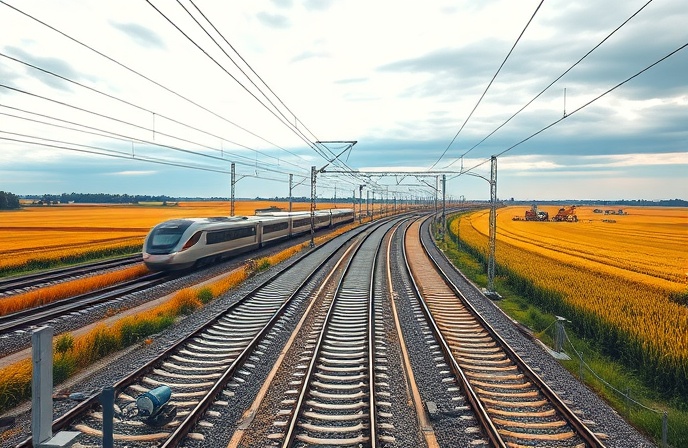
Poland's ambitious railway line modernization program upgrades infrastructure, introduces new...
July 7, 2025 4:33 pm
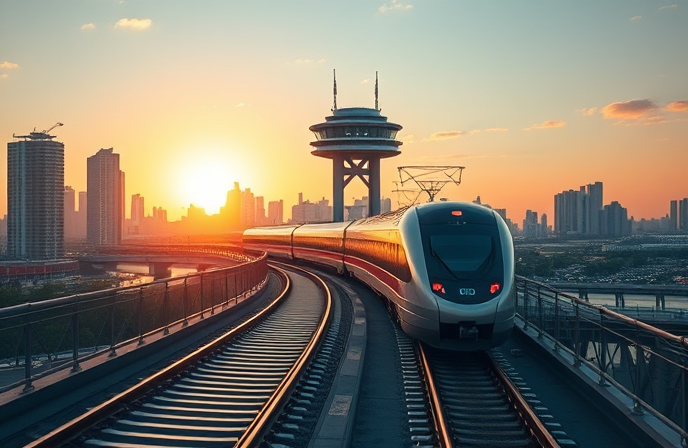
Yapı Merkezi İDİS Engineering, a key player in railway safety...

December 6, 2015 8:34 pm
Alstom has been awarded by National Authority for Tunnels (NAT)...

May 7, 2025 3:50 am
The Expanding Role of Vectron Locomotives in European Rail Freight...

October 1, 2025 10:54 am
Northern Trains launches a new digital ticketing trial, simplifying travel...
August 14, 2025 2:33 am
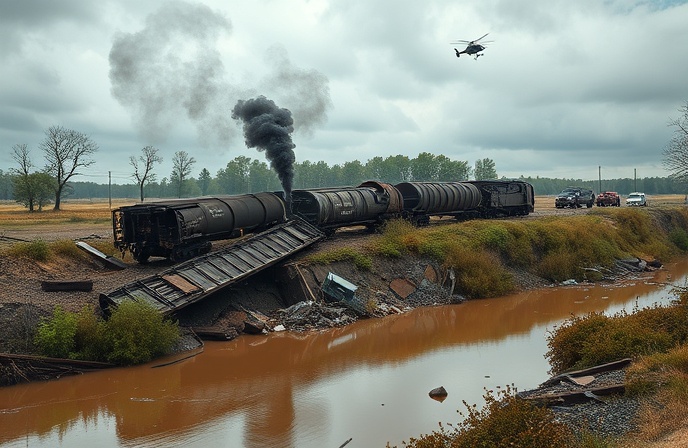
Mississippi train derailment investigated; cause undetermined. Railway safety...