
EU Invests in Serbia Rail: Corridor X Gets €134M Boost
EU invests EUR 134M in the Niš–Dimitrovgrad railway, electrifying Corridor X and doubling speeds, boosting trade and regional connectivity for Serbia.
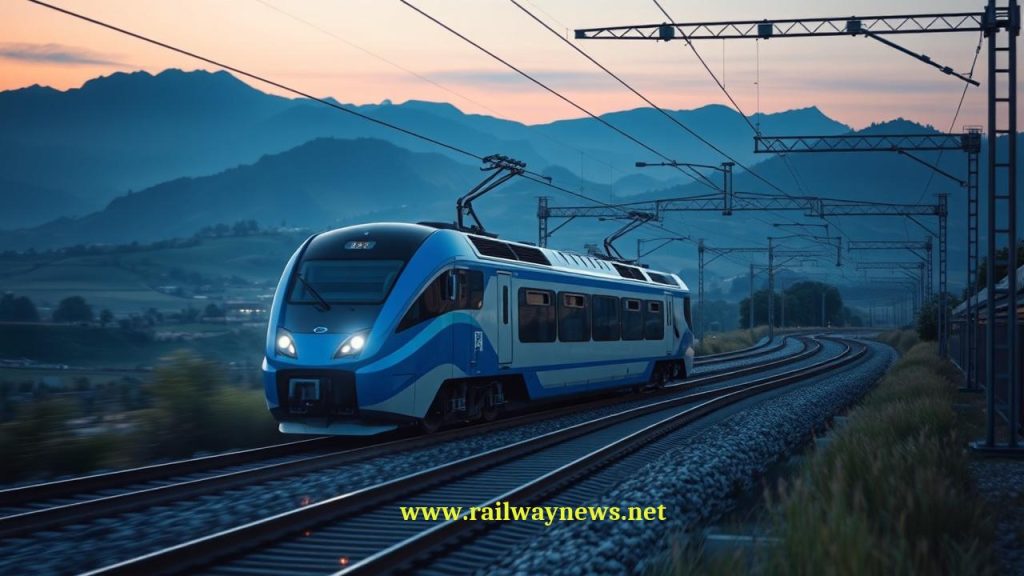
BRUSSELS, Belgium – The European Union has solidified its commitment to integrating the Western Balkans’ transport network by allocating a new EUR 134 million financing package for the modernization and electrification of Serbia’s strategic Niš–Dimitrovgrad railway line. The agreement, finalized on December 12, 2025, aims to double the operational speed and significantly boost freight and passenger capacity on this critical section of Pan-European Corridor X.
| Category | Details |
|---|---|
| Project Name | Niš–Dimitrovgrad Railway Modernization & Electrification |
| New Funding Package | EUR 134 Million |
| Funding Breakdown | EUR 100M EIB Loan & EUR 34M EU Grant |
| Total EU Project Support | EUR 342 Million |
| Key Technical Upgrade | Speed increase from 50 km/h to 120 km/h |
| Location | Serbia (Corridor X, connecting to Bulgaria) |
The European Union, through the European Investment Bank (EIB), has formalized a significant investment to upgrade a key artery of the Western Balkans rail network. The package includes a EUR 100 million loan from EIB Global and a EUR 34 million grant from the EU, primarily designated for constructing a vital rail bypass around the city of Niš. This new funding brings the total EU support for the project to EUR 342 million. Robert de Groot, Vice President of the EIB, emphasized the project’s role in regional integration, stating, “As part of an international transport network connecting Serbia with EU countries, this project is critical for economic integration, stimulating trade and attracting investment.”
The detailed project targets three main areas: the modernization of the Sićevo–Dimitrovgrad section, the full electrification and installation of modern signalling systems along the entire Niš–Dimitrovgrad line, and the construction of the Niš bypass to alleviate urban congestion. Upon completion, the line’s average operational speed will more than double, increasing from the current 50 km/h to 120 km/h. This enhancement is projected to cause a dramatic surge in traffic, with annual passenger numbers expected to climb from 170,000 to approximately 550,000, and freight volume to grow from 3.2 million to 6.2 million tons per year. Serbian Minister of Infrastructure, Aleksandra Sofronijević, noted that this is “an essential step towards the electrification of the last non-electrified section of Corridor X.”
This modernization effort is a cornerstone of the EU’s broader strategy to enhance connectivity within the Western Balkans and integrate the region with the Trans-European Transport Network (TEN-T). The Niš–Dimitrovgrad line is a vital segment of the Western Balkans–Eastern Mediterranean European Corridor, which links Central Europe with key ports. “The modernization of the Niš–Dimitrovgrad line is part of a broader program of investment in sustainable transport, supported by the Team Europe initiative,” said European Union Ambassador to Serbia, Andreas von Beckerath. The project’s preparation has been supported by technical assistance from the JASPERS and Western Balkans Investment Framework (WBIF) programs, ensuring its alignment with EU standards and strategic objectives.
Key Takeaways
- Major Funding Secured: A EUR 134 million package, part of a total EUR 342 million EU commitment, will finance the modernization, including a EUR 100 million EIB loan and a EUR 34 million EU grant.
- Strategic Upgrade for Corridor X: The project will electrify the final non-electrified section of Serbia’s Corridor X, a crucial link between Central Europe and the Eastern Mediterranean.
- Significant Performance Boost: The line’s speed will increase from 50 km/h to 120 km/h, tripling expected passenger traffic and nearly doubling freight capacity, while improving safety and service quality.
Editor’s Analysis
This investment is far more than a simple infrastructure upgrade; it is a strategic move by the European Union to anchor Serbia firmly within its economic and logistical orbit. By financing the final non-electrified gap in Corridor X, the EU is not just improving transit times but is actively building the arteries for deeper economic integration. This project enhances the TEN-T network’s reach, promotes a shift to greener transport, and provides a tangible demonstration of the benefits of EU alignment for the Serbian public and businesses. In a region where various global powers are vying for influence, this “railway diplomacy” reinforces the EU’s position as the primary partner for regional development and modernization, paving the way for smoother trade flows and greater geopolitical stability.
Frequently Asked Questions
- How much is the total EU investment in the Niš–Dimitrovgrad railway project?
- With the new EUR 134 million package, the European Union’s total support for this project now amounts to EUR 342 million. This is composed of EUR 234 million in EIB Global loans and EUR 108 million in EU grants.
- What are the main technical improvements planned for the railway line?
- The project involves modernizing the track, electrifying the entire line, installing modern signalling and telecommunication systems, and building a rail bypass around the city of Niš. These upgrades will increase the average speed from 50 km/h to 120 km/h.
- What is the strategic importance of Corridor X?
- Corridor X is a major Pan-European transport corridor that connects Central Europe with the Adriatic and Eastern Mediterranean ports. The Niš–Dimitrovgrad line is a critical section of this corridor, linking Serbia with Bulgaria and the wider EU transport network, facilitating international trade and passenger travel.

Railway infrastructure, rolling stock and transport technologies specialist focused on global rail industry developments, high-speed rail systems, signaling technologies and freight transportation. Covering railway investments, public transport modernization, rail operations and international mobility projects across Europe, Asia and North America.
RELATED POSTS

September 5, 2026 4:19 pm
CPK launched formal tender talks with four consortia to design...

September 5, 2026 7:14 pm
HS2 Ltd signed renegotiated civils contracts with EKFB and Align...

September 6, 2026 4:12 am
Alstom delivered the first of 100 new G Class trams...
September 6, 2026 6:17 am
Hungary ordered a national ban on most freight trains from...
September 5, 2026 6:17 pm
Universal Signalling won a deal to install its U-Cross system...
September 6, 2026 8:17 am
DB InfraGO reopened the Nuremberg-Regensburg line in Bavaria on 31...