
Mount Rigi Railways Orders Stadler Trains: Fleet Upgrade Complete
Mount Rigi Railways orders four Stadler rack-and-pinion trains, modernizing its fleet with energy-efficient technology for enhanced passenger experience and sustainability.
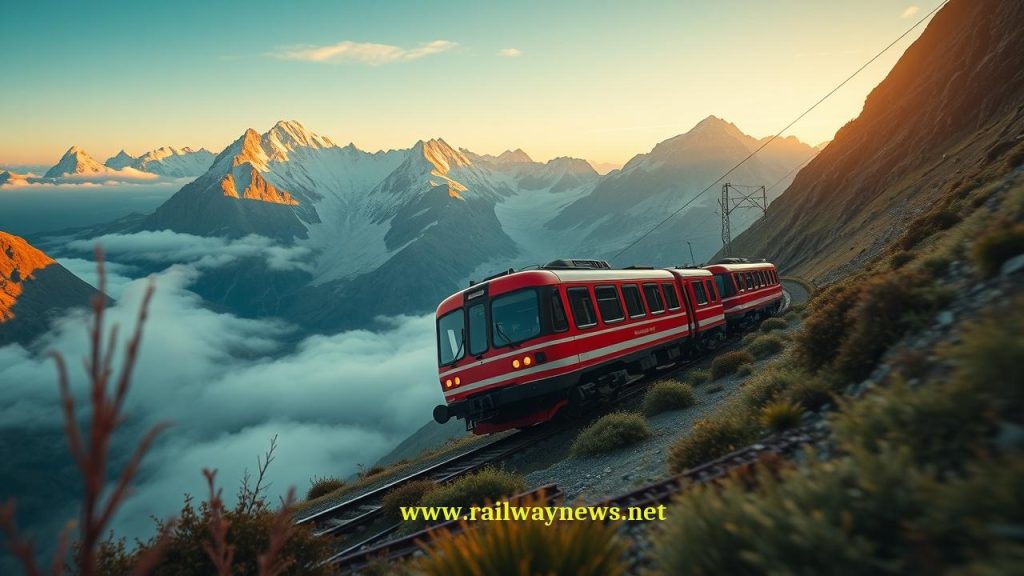
VITZNAU, SWITZERLAND – Mount Rigi Railways has solidified its fleet modernization program, signing a contract with Stadler for four additional rack-and-pinion trains. This follow-on order will equip the Goldau to Rigi Kulm route, ensuring the entire iconic mountain network operates with Stadler’s latest-generation, energy-efficient rolling stock.
| Category | Details |
|---|---|
| Operator | Mount Rigi Railways |
| Manufacturer | Stadler Rail (Bussnang, Switzerland) |
| Units Ordered | 4 two-car trainsets |
| Designated Route | Goldau – Rigi Kulm |
| Key Technology | Regenerative Braking System |
| Total Capacity per Train | 253 passengers (150 seated) |
Swiss manufacturer Stadler has secured a follow-on contract from Mount Rigi Railways to supply four new rack-and-pinion multiple units. The agreement, signed in Vitznau, builds upon a previous order for six similar trains which have been successfully operating on the Vitznau to Rigi Kulm line since 2022. This latest procurement will deploy the new rolling stock on the railway’s second main line from Goldau, unifying the fleet and modernizing the service across the entire mountain. Jörg Lustenberger, COO of Mount Rigi Railways, highlighted the strategic importance of the deal, stating, “The procurement of additional vehicles for the line between Goldau and Rigi Kulm is an important step for us in terms of quality, efficiency and sustainability.”
Engineered specifically for steep gradient operation at Stadler’s Tailor Made division, each 34.8-meter-long trainset is a technical showcase. The vehicles are equipped with a powerful traction system featuring four powered cogwheel axles, ensuring consistent performance and braking reliability in all weather conditions. A significant technological upgrade is the implementation of a regenerative braking system, which allows braking energy generated during descent to be fed back into the railway’s electrical network. This energy can then be used by other ascending trains, a major efficiency improvement over previous models that dissipated this energy as heat. Inside, the two-car trains are designed for tourism, featuring 150 seats that recline slightly to compensate for travel angles, large drop-down side windows, and panoramic front-facing glass panels for optimal views.
This order underscores a successful partnership and a proven operational model for Stadler. The decision by Mount Rigi Railways to exercise this option follows two years of reliable service from the initial six trainsets, validating their design and performance on the demanding mountain route. This pattern of successful initial deployments leading to subsequent follow-on contracts is a hallmark of Stadler’s market strategy. A similar dynamic can be observed in other markets, such as with Poland’s Koleje Mazowieckie, which has repeatedly expanded its framework agreement for Stadler’s FLIRT EMUs after successful operational integration. Christoph Leiterer, engineering head of Stadler’s Tailor Made division, commented, “The new rack-and-pinion trains are designed specifically to meet the requirements of both our customer and the route.”
Key Takeaways
- Fleet Unification: The order brings the entire Mount Rigi Railways network under a single, modern rolling stock platform, streamlining maintenance, training, and operational efficiency.
- Enhanced Sustainability: The adoption of regenerative braking technology marks a significant step forward in energy efficiency, reducing operational costs and the railway’s environmental footprint.
- Improved Passenger Experience: With step-free access, dedicated storage for sports equipment, and panoramic windows, the new trains are designed to enhance accessibility and the overall tourist experience on the “Queen of the Mountains”.
Editor’s Analysis
This order, while modest in unit number, is significant for the global rail industry as it highlights the resilience and modernization of the specialized tourist and mountain railway sector. It demonstrates that even historic lines are investing heavily in advanced technology to meet modern demands for sustainability and passenger comfort. For Stadler, it cements their undisputed dominance in the niche but highly technical rack-and-pinion market. The successful deployment and subsequent follow-on order serve as a powerful case study for other mountain railways worldwide considering fleet renewals, showcasing a blend of bespoke engineering, energy efficiency, and passenger-centric design that is becoming the new industry standard.
Frequently Asked Questions
- Which route will the new Stadler trains serve?
- The four new trains are specifically designated for the Goldau to Rigi Kulm route on Mount Rigi.
- How many passengers can each new train carry?
- Each two-car trainset has a total capacity of 253 passengers, which includes 150 seats.
- What is a key sustainability feature of these new trains?
- The trains are equipped with a regenerative braking system. This technology captures energy during downhill travel and feeds it back into the electrical grid to power other ascending trains, significantly improving energy efficiency.

Railway infrastructure, rolling stock and transport technologies specialist focused on global rail industry developments, high-speed rail systems, signaling technologies and freight transportation. Covering railway investments, public transport modernization, rail operations and international mobility projects across Europe, Asia and North America.
RELATED POSTS

October 1, 2026 7:09 am
United States regulators confirmed a September 30 deadline for the...

October 8, 2026 1:15 pm
Alstom secured a €1bn contract to build 13 automated trains,...

October 4, 2026 5:14 pm
Alstom secured a CA$4.7 billion order from VIA Rail Canada...

October 1, 2026 12:13 am
Illinois approved $1.5 billion annually for the Northern Illinois Transit...
October 6, 2026 2:14 am
Union Pacific launched export rail shipments with Ferromex to deliver...

October 1, 2026 6:10 am
Amtrak approved a System Expansion Committee on July 30 to...