
Poland: Railway Line Modernization Strategy & Benefits for Rail Pros
Poland’s ambitious railway line modernization program upgrades infrastructure, introduces new technologies, and boosts capacity.
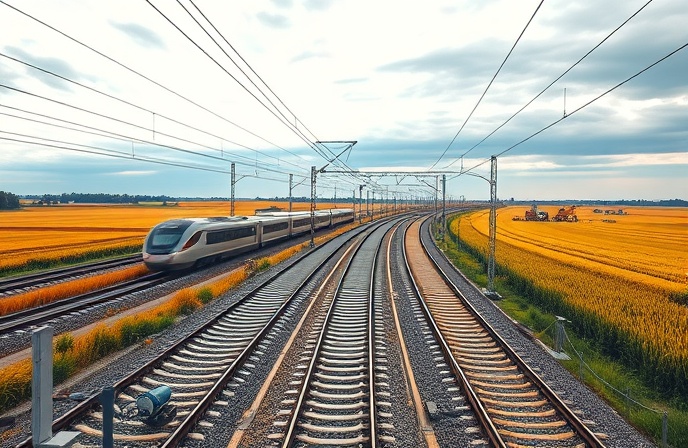
Poland Embarks on Ambitious Railway Line Modernization Program
Poland is undergoing a significant transformation of its railway infrastructure, investing heavily in a detailed program of railway line modernization Poland. This multi-faceted project, spanning several years, aims to upgrade existing lines, introduce new technologies, and improve overall railway efficiency. The initiative is being undertaken by PKP Polskie Linie Kolejowe S.A. (PKP PLK), the state-owned railway infrastructure manager. The primary goal is to enhance passenger and freight transport capacity, reduce journey times, and bolster safety standards across the national rail network. This article will delve into the scope, challenges, and potential benefits of this extensive undertaking, providing valuable insights for railway professionals and stakeholders across the industry.
Boosting Capacity: The Scope of the Modernization Effort
The railway line modernization Poland program is vast in scale, encompassing a wide range of upgrades. This includes the complete overhaul of track infrastructure, including the replacement of rails, sleepers, and ballast. Modernization also entails upgrades to signaling systems, implementing European Rail Traffic Management System (ERTMS) Level 2 on key corridors to improve safety and operational efficiency. Additionally, the program includes the construction of new railway lines and stations, along with the electrification of non-electrified routes. Several major corridors are prioritized, including those connecting major cities like Warsaw, Krakow, Gdansk, and Wroclaw. These strategic upgrades are designed to alleviate bottlenecks, increase line capacity, and accommodate higher train frequencies.
Technological Advancements: Implementing Modern Signaling and Control Systems
One of the most critical aspects of the modernization program is the implementation of advanced signaling and control systems. These upgrades are pivotal to improving safety and increasing line capacity. ERTMS, in particular, is being rolled out on numerous routes. ERTMS Level 2 allows for continuous train control, enhancing safety by providing real-time information to train drivers and enabling automatic train protection (ATP). Other key technologies include the integration of modern traffic management systems, which optimize train movements, reduce delays, and improve operational efficiency. The deployment of these advanced technologies represents a significant leap forward for the Polish railway network, bringing it in line with the standards of other advanced European railway systems.
Funding and Partnerships: Financing the Railway Renaissance
The railway line modernization Poland project is primarily funded through a combination of national funds, European Union (EU) grants, and potentially through public-private partnerships (PPPs). The EU’s Connecting Europe Facility (CEF) is playing a crucial role in providing financial support for several key projects. The scale of the investment requires careful financial planning and management to ensure projects are completed on time and within budget. PKP PLK collaborates with a variety of contractors, including both domestic and international companies specializing in railway infrastructure, signaling, and rolling stock. These collaborations are crucial for bringing expertise and resources to the projects. PKP PLK often acts as the client, with various engineering and construction firms competing to secure the contracts.
Challenges and Future Outlook: Navigating the Path Forward
The modernization effort is not without its challenges. The scale of the project, coupled with the complexity of upgrading a vast and ageing network, presents logistical hurdles. Ensuring minimal disruption to existing train services during construction, and managing potential cost overruns, are key concerns. Despite these challenges, the long-term benefits of the railway line modernization Poland program are substantial. Improved railway infrastructure will lead to reduced transportation costs, increased efficiency, and greater connectivity for businesses and citizens. With the investments being made and the advancements in technology, Poland is well-positioned to experience a railway renaissance, creating a more modern, reliable, and efficient transportation system. Continued government commitment, effective project management, and collaboration with industry partners will be key to achieving these goals.
Conclusion
Poland’s ambitious railway line modernization program represents a landmark undertaking for the country’s transportation infrastructure. The detailed upgrades to tracks, signaling, and stations are designed to address existing capacity constraints and prepare the network for future growth. While challenges remain, the long-term implications are significant. The modernization will lead to a more efficient, safe, and sustainable railway system, benefiting both passenger and freight transport. The successful implementation of ERTMS, the expansion of the network, and increased electrification all point to a modernized rail sector. Looking ahead, continued investment and the adoption of new technologies will be key to sustaining Poland’s progress in developing a world-class railway network, offering industry stakeholders and passengers alike significant and positive impacts.

Railway infrastructure, rolling stock and transport technologies specialist focused on global rail industry developments, high-speed rail systems, signaling technologies and freight transportation. Covering railway investments, public transport modernization, rail operations and international mobility projects across Europe, Asia and North America.
RELATED POSTS
June 2, 2026 8:44 am
⚡ In Brief: The UK Office of Rail and Road...
June 1, 2026 9:19 pm
300 IBEW signal workers initiated a strike against Canadian Pacific...
June 4, 2026 11:05 am
California High-Speed Rail Authority awarded a $3.5 billion track and...
June 4, 2026 6:22 pm
Network Rail and HS2 demolishes two strategic rail bridges, Saltley...
June 2, 2026 10:31 am
⚡ In Brief: The UK’s Office of Rail and Road...
June 2, 2026 11:37 am
⚡ In Brief: The UK’s Office of Rail and Road...