
$31M Amtrak, NJ Transit NEC Rail Upgrade: Safety, Speed & Reliability
Amtrak and NJ Transit’s $31 million NEC infrastructure upgrade boosts safety and reliability. Discover how crucial improvements at Newark Penn Station and the Portal Bridge are transforming the Northeast Corridor!
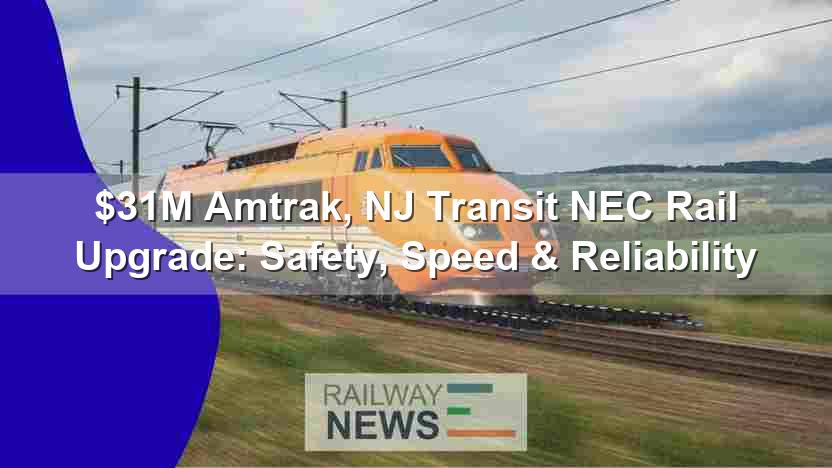
The Northeast Corridor (NEC), a vital artery of the American rail network, faces ongoing challenges in maintaining its aging infrastructure while accommodating increasing passenger demand. This article examines the significant joint investment of $31 million by Amtrak and NJ Transit to upgrade critical infrastructure along the NEC in New Jersey. This collaboration represents a crucial step towards enhancing safety, reliability, and overall passenger experience along this heavily trafficked corridor. The investment focuses on targeted improvements at key locations, addressing immediate needs while laying the groundwork for long-term sustainability. This analysis will delve into the specifics of the projects undertaken, their long-term implications for the NEC, and the significance of inter-agency cooperation in achieving these vital upgrades. Additionally, we will explore the wider context of this investment within the larger framework of ongoing efforts to modernize and expand the NEC’s capacity to meet the demands of a growing ridership and a more resilient transportation system.
Newark Penn Station Improvements
A key component of the $31 million investment focuses on improvements at Newark Penn Station, a critical hub within the NEC. The project includes the replacement of deteriorated wooden railroad ties with more durable concrete ties. This seemingly minor upgrade significantly enhances track stability and longevity, reducing the frequency of maintenance and improving overall track safety. The replacement of 95 feet of ties on Track 1 and 1,100 feet on Track 4 at Newark Penn Station demonstrates a commitment to addressing immediate infrastructure deficiencies. Concrete ties offer superior resistance to weathering and wear, leading to reduced maintenance costs and improved operational reliability, ultimately contributing to a more efficient and safer passenger experience.
Catenary System Upgrades
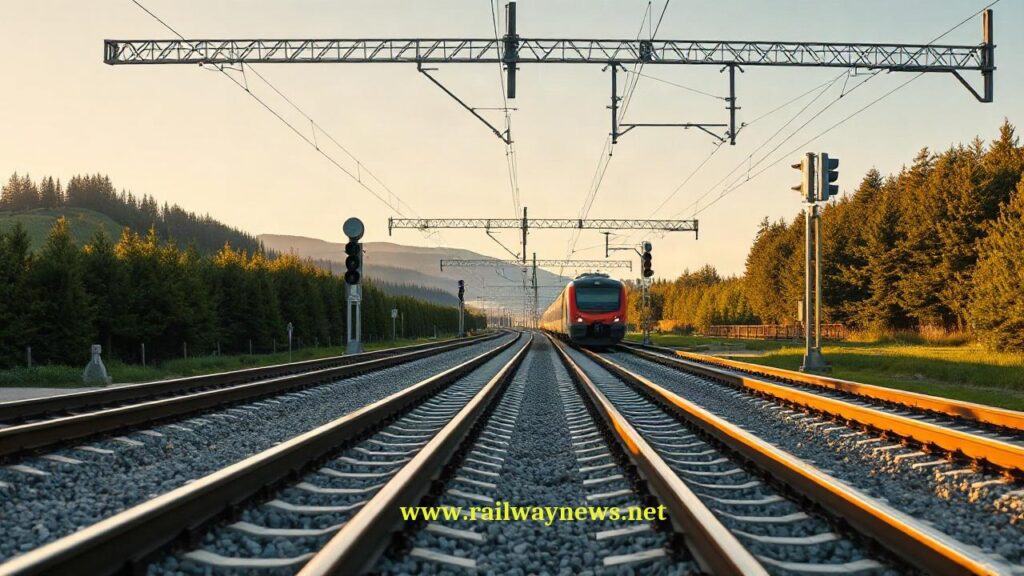
The investment also includes crucial upgrades to the catenary system (the overhead system that provides power to electric locomotives) as part of the NJ High-Speed Rail Program. The replacement and installation of constant tension catenary on four tracks will boost the system’s capacity and reliability. These improvements are essential for supporting increased train frequencies and speeds, ultimately enhancing the overall efficiency and capacity of the NEC. A more robust and reliable catenary system reduces the likelihood of service disruptions caused by equipment failures, leading to improved on-time performance and greater passenger satisfaction. Constant tension catenary systems offer superior performance and longevity compared to older systems, minimizing maintenance needs and ensuring smooth, uninterrupted power delivery to trains.
Portal Bridge Rehabilitation
The rehabilitation of the Portal Bridge, a critical link along the NEC, is another significant element of this infrastructure investment. The project involves overhauling tracks two and three, focusing on the replacement of aging and deteriorating timber decks. This is a critical step in ensuring the structural integrity and long-term viability of this crucial bridge, which carries a large volume of passenger and freight traffic daily. The replacement of the timber decks with more robust materials will increase the bridge’s lifespan, reduce the need for frequent repairs, and improve overall safety and reliability. This investment underscores the commitment to addressing aging infrastructure and maintaining the operational integrity of essential transportation corridors.
Fair Interlocking Improvements in Trenton
Amtrak will be undertaking extensive timber and switch replacement work at Fair Interlocking in Trenton, New Jersey. Interlockings are crucial components of rail infrastructure that manage the safe movement of trains at complex junctions. Replacing outdated components enhances the safety and efficiency of train operations, minimizing the risk of accidents and delays. This work will contribute to the overall reliability and safety of the entire NEC network. The replacement of outdated timber and switches with modern components reduces maintenance requirements and improves the overall operational efficiency of the interlocking system, thereby contributing to a safer and more reliable rail network.
Conclusion
The joint $31 million investment by Amtrak and NJ Transit represents a significant commitment to improving the aging infrastructure of the Northeast Corridor in New Jersey. The projects undertaken, ranging from tie replacements at Newark Penn Station to catenary upgrades and Portal Bridge rehabilitation, demonstrate a multi-faceted approach to addressing immediate needs while laying the groundwork for long-term improvements. The strategic focus on critical infrastructure components, such as track systems, catenary, and bridges, directly impacts safety, reliability, and efficiency. The collaboration between Amtrak and NJ Transit highlights the importance of inter-agency cooperation in tackling complex infrastructure challenges. This partnership underscores a shared commitment to modernizing the NEC, ensuring it can meet the demands of a growing ridership and contribute to the economic vitality of the region. The success of these projects will not only benefit commuters but also contribute to the broader resilience and efficiency of the Northeast Corridor, a critical artery for the American economy. The long-term implications are significant, promising a more reliable, efficient, and safer rail system for years to come. Continued investments like this are essential for maintaining the NEC’s role as a vital transportation link, ensuring its ability to handle current and future demands.

Railway infrastructure, rolling stock and transport technologies specialist focused on global rail industry developments, high-speed rail systems, signaling technologies and freight transportation. Covering railway investments, public transport modernization, rail operations and international mobility projects across Europe, Asia and North America.
RELATED POSTS

September 6, 2026 5:19 am
Hitachi delivered Taiwan's first N700ST high-speed train from Japan in...

September 5, 2026 4:19 pm
CPK launched formal tender talks with four consortia to design...

September 6, 2026 6:17 am
Hungary ordered a national ban on most freight trains from...

September 6, 2026 1:17 am
Hitachi Toshiba Supreme Consortium confirmed the first of 12 N700ST...
September 5, 2026 6:17 pm
Universal Signalling won a deal to install its U-Cross system...
September 6, 2026 8:17 am
DB InfraGO reopened the Nuremberg-Regensburg line in Bavaria on 31...