
Ballarat Rail Upgrade: Rail Innovation Insights
Upgrade your railway infrastructure for improved efficiency and safety. Discover how strategic planning and cutting-edge technology, like CBTC, can optimize your network!

Optimizing Railway Infrastructure: A Case Study Approach
The efficient and reliable operation of railway systems is paramount for the economic and social well-being of any nation. This article delves into the crucial aspects of railway infrastructure optimization, exploring the multifaceted challenges and innovative solutions employed to enhance capacity, safety, and sustainability. We will examine the complexities involved in upgrading existing lines, such as the significant Ballarat rail line upgrade, and discuss the planning, execution, and long-term benefits of such projects. Furthermore, we will analyze the importance of integrating advanced technologies and sustainable practices to create a resilient and future-proof railway network. This examination will provide a comprehensive understanding of the ongoing evolution of railway infrastructure management and its impact on both passengers and freight operations. The focus will be on strategic planning, technological advancements, and the crucial balance between immediate improvements and long-term vision. By analyzing real-world examples, we aim to highlight best practices and offer insights for future infrastructure developments globally.
Strategic Planning and Investment
Successful railway infrastructure upgrades require meticulous strategic planning. This involves a comprehensive assessment of current capacity limitations, projected future demand, and available resources. Factors such as population growth, economic activity, and environmental considerations must be carefully integrated into the planning process. Cost-benefit analysis plays a crucial role in determining the optimal allocation of resources, prioritizing projects that deliver the greatest return on investment. For instance, upgrading signaling systems can significantly increase line capacity, reducing congestion and improving punctuality. Similarly, investing in track maintenance and renewal programs reduces the risk of delays and derailments, contributing to improved safety and reliability. Effective stakeholder engagement is also essential, ensuring that the needs and concerns of communities and businesses are addressed throughout the planning and implementation phases.
Technological Advancements in Railway Systems
Modern railway systems are increasingly reliant on advanced technologies to enhance efficiency and safety. The adoption of Computer-Based Train Control (CBTC) systems, for example, allows for greater train density and improved operational flexibility. These systems utilize sophisticated algorithms and real-time data to optimize train scheduling and minimize delays. Furthermore, the integration of Geographic Information Systems (GIS) provides a comprehensive spatial view of the railway network, enabling efficient track management and maintenance planning. The use of predictive analytics based on historical data allows for proactive maintenance, minimizing the risk of unexpected failures and disruptions. In addition, advancements in materials science have led to the development of more durable and resilient track components, extending the lifespan of railway infrastructure and reducing maintenance costs.
Sustainability and Environmental Impact
The environmental impact of railway operations is a growing concern. Modern railway infrastructure development prioritizes sustainable practices to minimize its footprint. This includes the use of environmentally friendly materials in construction, the optimization of energy consumption through the implementation of energy-efficient signaling and traction systems, and the reduction of noise and vibration pollution through innovative track design and noise barriers. Investing in renewable energy sources to power railway operations is also crucial for achieving long-term sustainability goals. Moreover, the integration of green spaces along railway corridors can enhance biodiversity and improve the aesthetic appeal of the surrounding environment. Life cycle assessments of railway infrastructure projects are increasingly important to evaluate the long-term environmental impact of various design and construction options.
Case Study: The Ballarat Rail Line Upgrade
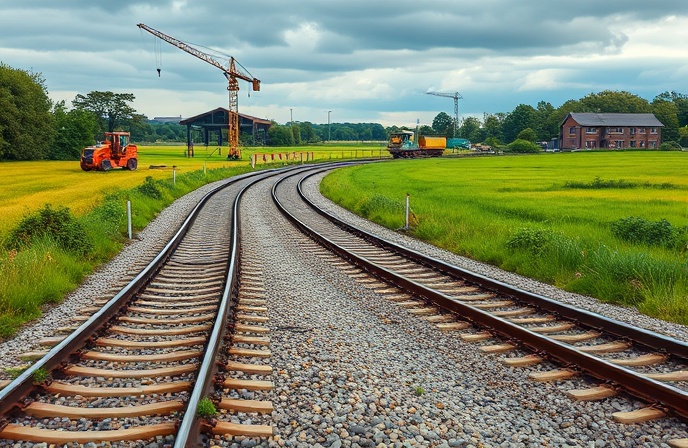
The Ballarat rail line upgrade serves as an excellent example of a successful railway infrastructure project. This initiative involved significant improvements to track infrastructure, signaling systems, and rolling stock, resulting in increased capacity, improved reliability, and enhanced passenger comfort. The upgrade included the installation of modern signaling technology, allowing for higher train frequencies and reduced journey times. The project also involved track renewal and improvements to station facilities, enhancing the overall passenger experience. The successful completion of this upgrade highlights the importance of meticulous planning, collaboration among stakeholders, and the application of innovative technologies to deliver a high-quality railway service. This project’s success contributes significantly to the region’s economic development and enhances the quality of life for commuters.
You might be interested in:
Last May 2019, we published an article about a $60 million rail transit upgrade in Auckland. Click here to read – Auckland’s Puhinui Station: A Rail Transit Upgrade Case Study
Conclusions
Optimizing railway infrastructure is a complex undertaking that requires a multi-faceted approach. This article has explored several key aspects of this process, emphasizing the importance of strategic planning, technological advancements, and environmental sustainability. Effective planning involves careful consideration of current and future demands, resource allocation, and stakeholder engagement. The integration of advanced technologies such as CBTC (Computer-Based Train Control) systems and GIS (Geographic Information Systems) significantly enhances operational efficiency and safety. Sustainability is also a critical factor, requiring the adoption of environmentally friendly materials, energy-efficient systems, and noise reduction measures. The Ballarat rail line upgrade serves as a successful case study, demonstrating the tangible benefits of a well-planned and executed infrastructure project. The successful implementation of such projects not only improves the efficiency and reliability of the railway system but also contributes to the overall economic and social development of the region. Looking ahead, the continued integration of innovative technologies, such as AI (Artificial Intelligence) for predictive maintenance and autonomous train operations, will be essential for creating a truly resilient and future-proof railway network. The ongoing challenge lies in balancing the need for immediate improvements with a long-term vision, ensuring that railway systems remain efficient, safe, and sustainable for generations to come. This requires a commitment to continuous improvement and a willingness to adapt to evolving technological and environmental demands. The ultimate goal is to create railway networks that are not only efficient and reliable but also contribute positively to the environmental and social well-being of the communities they serve.
RELATED POSTS
November 19, 2025 5:54 pm
Oxfordshire's OxRail 2040 rail plan outlines modernization efforts, station upgrades,...
July 4, 2025 4:33 am
UK train operators collaborate on Heaton depot maintenance, aiming for...

February 22, 2025 3:39 pm
The Alstom Omneo: A Modernization of French Regional Rail This...
August 21, 2018 4:47 am
Rochelle, Illinois's $7 million rail expansion—a new line, bridge, and...
November 20, 2025 11:54 pm
Introduction Total intermodal volume in the third quarter of 2025...

October 2, 2025 12:54 am
Gateway Development Commission extends the $665 million contract for the...