
SMART Windsor Quiet Zone: Early Train Service Restored, Boosting Commutes
SMART train service restored in Windsor after quiet zone approval. Early morning trains resume, benefiting Sonoma and Marin commuters.
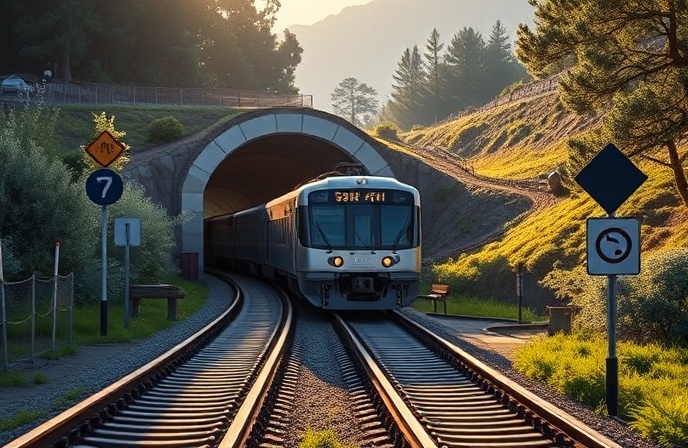
SMART Train Service Restored in Windsor Following Quiet Zone Approval
Commuters in Sonoma and Marin counties can once again rely on early morning southbound train service. The Sonoma-Marin Area Rail Transit (SMART) has reinstated its pre-dawn departures following the Federal Railroad Administration’s (FRA) approval of a quiet zone in Windsor, California. This decision, effective yesterday, allows SMART to resume its full weekday schedule, alleviating concerns raised by residents and ensuring continued access to vital transportation options. The quiet zone designation, requested by the Windsor Town Council, addresses concerns regarding train horn noise at a grade crossing. The FRA, the federal agency responsible for railroad safety, granted the approval allowing the return of the 4:35 a.m., 4:58 a.m., and 5:30 a.m. southbound trains. This article details the events leading to this restoration, the implications for SMART’s operations, and the broader context of quiet zone implementation.
The Windsor Quiet Zone Initiative
The genesis of the service suspension and subsequent restoration lies in the commitment of the Windsor Town Council to mitigate noise pollution for nearby residents. Recognizing the impact of train horn usage at the grade crossing, the council initiated the process to establish a quiet zone. A quiet zone, as defined by the FRA, requires specific safety enhancements at the grade crossing, negating the need for train horns to be sounded routinely. These enhancements often involve the installation of medians, four-quadrant gates, and other safety measures to minimize the risk of collisions. In this instance, with the required safety features in place, the FRA approved the quiet zone, clearing the way for SMART to restore its early morning service. This reflects a growing trend across the railway industry: a prioritization of community needs alongside operational efficiency.
Impact on SMART Operations
The temporary suspension of the early morning trains necessitated adjustments within SMART’s operational framework. The loss of these services disrupted the commutes of numerous passengers and placed added strain on later trains. However, the restoration of these early morning runs is a significant win for SMART, providing more options and accommodating a larger ridership. The quiet zone approval also reinforces SMART’s commitment to working collaboratively with local communities to minimize the impact of its operations. SMART engineers, while adhering to the quiet zone requirements, are still mandated to sound horns in emergency situations, ensuring a balance between noise reduction and safety. This is standard practice within the industry, and is designed to keep all passengers and locals safe and well-informed.
Safety Protocols and Technical Considerations
The establishment of a quiet zone hinges on strict adherence to safety regulations. The FRA mandates specific safety improvements at grade crossings to ensure that the absence of train horns does not increase the risk of accidents. These may include enhanced signage, improved visibility, and advanced warning systems. The implementation of these measures requires detailed engineering assessments and meticulous execution. The process often involves collaboration between the railway operator, local authorities, and FRA inspectors. Before a quiet zone is finalized, it is assessed and monitored to confirm it meets the standards and requirements. The quiet zone in Windsor exemplifies a proactive approach to balancing community needs with operational necessities.
Conclusion
The restoration of early morning train service by SMART following the FRA’s quiet zone approval in Windsor marks a positive development for both commuters and the local community. The initiative underscores the importance of collaborative efforts between railway operators, local governments, and federal agencies in addressing community concerns while maintaining efficient and safe transportation. The successful implementation of the quiet zone in Windsor provides a valuable case study for other communities grappling with similar issues. The railway industry is continuously striving to improve the quality of life for citizens and improve the quality of service for all commuters. The continued investment in safety enhancements and community engagement initiatives are expected to be a major part of future railway projects and expansions. The industry will likely see an increased emphasis on sustainable practices and smart technologies to further enhance operational efficiency and environmental responsibility in the coming years.
RELATED POSTS

Bombardier announced in October 2016, the management and employee representatives...

March 9, 2025 12:36 pm
Hitachi Rail has recently secured a significant contract to deploy...

April 15, 2025 8:42 pm
This article analyzes the strategic acquisition of Dellner Couplers by...

May 10, 2017 1:53 am
**Voiceover Excerpt:**The CTA is modernizing! Chicago's Red Line will soon...
March 5, 2017 12:36 pm
Network Rail's £350 million digital signaling upgrade in Manchester, using...

March 23, 2025 1:14 am
Amtrak’s Commitment to Accessibility: A Case Study of Westport Station...