
Chiltern Railways HVO Trains: UK Rail’s Sustainable Future
Chiltern Railways modernizes its fleet with HVO-powered trains, leasing 13 new vehicles. The new trains will run on renewable fuel, reducing emissions.
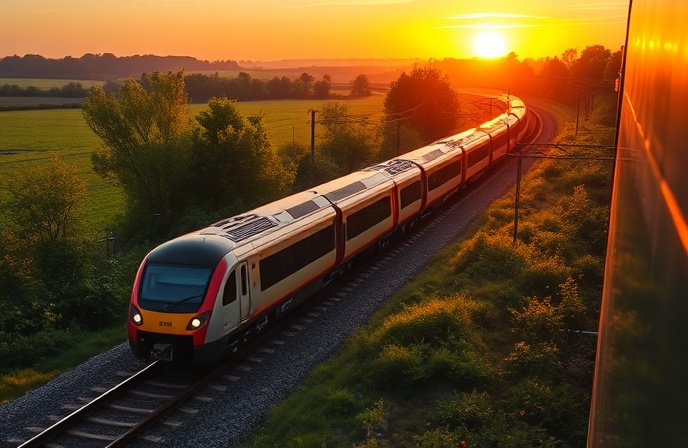
Chiltern Railways to Modernize Fleet with HVO-Powered Trains
Chiltern Railways, a key player in the UK rail network and part of the Arriva Group, is set to modernize its services significantly. This initiative involves the introduction of a new fleet of 13 trains, leased under a 10-year agreement, powered by Hydrotreated Vegetable Oil (HVO). The project, greenlit by the UK Department for Transport (DfT), represents a major stride in Chiltern’s commitment to reducing emissions and upgrading passenger experiences. These modernised trains are scheduled to roll out in phases from 2026, serving routes connecting London, Buckinghamshire, Oxfordshire, and the West Midlands. This investment, reflecting the “who, what, when, where, why, and how” of the project, underscores a commitment to sustainable transport, with a focus on operational efficiency and environmental stewardship. This article delves into the details of this fleet modernization, its technical underpinnings, and its strategic significance within the broader context of the UK rail industry.
Sustainable Propulsion: Hydrotreated Vegetable Oil (HVO)
The cornerstone of Chiltern Railways’ fleet modernization lies in the adoption of HVO as the primary fuel source. HVO, a renewable biofuel produced from vegetable oils and recycled materials, offers a compelling alternative to conventional diesel fuel. Its use results in significantly lower carbon emissions, positioning it as a vital element in the industry’s decarbonization efforts. Chiltern Railways is already familiar with HVO, having already adopted the fuel to power its Class 68 locomotives since July 2023. This experience, along with approval from the DfT, has allowed for seamless transition to the new trains. The Class 68 locomotives, which will be used to haul the new trains, will also use HVO, creating a fully integrated eco-friendly system. The new trains are expected to contribute significantly to reducing the environmental impact of Chiltern Railways operations. The fuel’s use aligns with Arriva Group’s sustainability strategy.
Enhanced Passenger Experience: Modernizing the Rolling Stock
Beyond its environmental advantages, the new fleet of trains promises a substantial improvement in passenger experience. The modern vehicles will feature a comprehensive range of upgrades, including enhanced accessibility, improved seating configurations, and real-time passenger information displayed on accessible screens. The design prioritizes passenger comfort, with a focus on creating a quieter journey. Dedicated spaces for luggage and bicycles further enhance the functionality and user-friendliness of the trains. Subject to timetable approvals, these enhancements are set to coincide with the introduction of additional services from late 2026, aiming to improve the capacity and efficiency of Chiltern Railways’ network and attract more passengers. This marks a pivotal change, reflecting the changing expectations of modern rail passengers.
Strategic Alignment: Chiltern Railways’ 2030 Vision
The fleet modernization is a crucial component of Chiltern Railways’ broader strategic plan: the 2030 Vision. This long-term strategy focuses on modernizing services and achieving significant decarbonization targets. The initiative involves collaboration with the DfT, Network Rail, and other key partners, with a view to explore opportunities for partial network electrification alongside the ongoing replacement of legacy diesel trains. This integrated approach reflects a commitment to long-term planning and investment in sustainable rail infrastructure. The agreement with Beacon Trains reinforces Chiltern’s commitment to an innovative and collaborative approach to infrastructure investment, as well as ensuring that the DfT’s goals for passenger rail in the UK can be met.
Industry Implications: A Blueprint for Sustainable Rail
The Chiltern Railways project has significant implications for the wider rail industry. The adoption of HVO represents a tangible demonstration of the viability and practicality of renewable fuels in passenger rail. By adopting this technology and integrating it with modern amenities, Chiltern Railways sets a benchmark for other operators. This approach not only reduces carbon emissions but also enhances the overall passenger experience. The project offers a roadmap for other rail operators looking to modernize their fleets and meet environmental targets. The commitment from Arriva Group and the backing of the DfT further underscore the potential for collaborative efforts to drive sustainable change. With further developments in battery technology, network electrification, and alternative fuels, there are a number of exciting pathways for operators in the future.
Conclusion
The modernization of Chiltern Railways’ fleet with HVO-powered trains represents a significant milestone for the UK rail industry. By embracing renewable fuels and introducing modern rolling stock, Chiltern is not only reducing its environmental impact but also significantly enhancing the passenger experience. The project, backed by the Arriva Group and the Department for Transport, demonstrates the importance of partnerships in driving sustainable transformation in the rail sector. The adoption of HVO is a strong indicator of the railway industry’s commitment to creating a greener and more efficient transport system. The initiatives align with the government’s goals of investing in the 21st-century railway and make journeys easier, greener, and more comfortable. The successful implementation of this project can be seen as a model for other rail operators considering similar decarbonization strategies. As the industry moves toward a more sustainable future, Chiltern Railways is taking a leading role. The project is also a practical example of the ongoing evolution of rail transport towards more environmentally friendly practices and passenger-centric design.
Company Summary:
Arriva Group: Arriva Group is a leading European passenger transport company, operating bus, train, and tram services across 10 countries. Arriva is responsible for 89,000 employees across the continent. Arriva Group is a key player in the UK rail market. The company’s sustainability strategy focuses on modernizing fleets, improving fuel efficiency, and reducing environmental impact.
Chiltern Railways: Chiltern Railways, a subsidiary of the Arriva Group, is a passenger train operator in the United Kingdom. Chiltern Railways operates primarily on the Chiltern Main Line, connecting London Marylebone with destinations in Buckinghamshire, Oxfordshire, and the West Midlands. The company is committed to delivering high-quality rail services, as well as playing a key role in the ongoing development of sustainable transport solutions.
RELATED POSTS

July 1, 2025 9:33 pm
UK rail travel surged 39.9% in 2023, highlighting cybersecurity's growing...

October 21, 2017 2:39 am
Optimize your intercity express train network for a superior passenger...

ASLRRA inducts new members into the Short Line Railroad Industry...

June 20, 2007 6:43 pm
The fourth largest railroad firm in the US, Norfolk Southern...
December 7, 2021 9:14 am
The Evolution of Driverless Train Operations in Delhi’s Metro System...
September 20, 2017 8:12 am
Navigating the future of rail safety? Discover how advanced...