
U.S. Freight Rail Cargo Theft: Congressional Inquiry, Solutions
Congress probes soaring freight rail cargo theft, demanding DOT briefing. Over 65,000 incidents, $100M+ in losses reported in 2024.
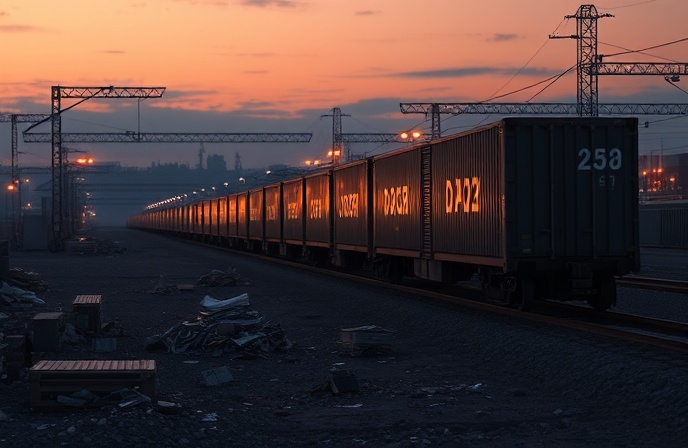
Congressional Inquiry Launched into Soaring Freight Rail Cargo Theft
U.S. Representative Daniel Webster (R-Fla.), Chairman of the House Subcommittee on Railroads, Pipelines and Hazardous Materials, along with 23 of his congressional colleagues, has initiated a formal request for a briefing from the U.S. Department of Transportation (USDOT) and the Federal Railroad Administration (FRA). The request, delivered in a letter addressed to U.S. Transportation Secretary Sean Duffy and FRA Acting Administrator Drew Feely, centers on the escalating issue of freight-rail cargo theft plaguing the industry. The briefing aims to address the current state of cargo theft and the FRA’s ongoing efforts to combat it. The impetus for this inquiry stems from recent reports revealing a significant surge in cargo theft incidents over the past few years. Specifically, Webster cited that in 2024, there were over 65,000 incidents of cargo theft with losses exceeding $100 million. This article will delve into the details of the congressional investigation, the scale of the problem, and potential solutions the industry is considering.
The Mounting Crisis: A Look at the Data
The alarming increase in cargo theft incidents signifies a critical challenge for the freight rail industry and the broader supply chain. The $100 million in losses reported in 2024 is a stark reminder of the financial implications, which extend beyond direct theft to include insurance payouts, increased security costs, and potential disruptions to service. Furthermore, this data doesn’t account for the indirect costs associated with delayed deliveries, lost customer trust, and the resources needed for law enforcement investigations. Analyzing the geographical distribution of these thefts is critical, with particular attention needed to identify hotspots, key routes, and specific types of commodities most frequently targeted, allowing for a more targeted approach to security enhancements. Data-driven analysis of the most vulnerable points in the supply chain—yards, terminals, and transit routes—will be crucial in developing and implementing effective prevention strategies.
FRA’s Response: Current Strategies and Initiatives
The FRA plays a pivotal role in regulating and overseeing the safety and security of the nation’s rail system. The congressional inquiry will likely focus on the agency’s existing security protocols and its collaboration with other federal and state agencies, as well as private industry stakeholders. These initiatives might include enhancing trackside surveillance, the deployment of advanced cargo tracking systems (such as GPS and RFID), and improved communication between rail operators and law enforcement. The FRA will likely be assessed on its current investment in advanced security technologies, its efforts in the development and implementation of standardized security protocols across all railroads, and the degree of collaboration achieved with law enforcement agencies for rapid response to theft incidents. The briefing should clarify these ongoing strategies and future plans.
Technological Advancements: Enhancing Security Measures
Technological innovations offer considerable promise in mitigating cargo theft. The use of AI-powered surveillance systems, including advanced video analytics and facial recognition, can help in detecting suspicious activity and deterring potential thieves. Moreover, the utilization of real-time data analytics allows for better monitoring of cargo movements and the identification of potential vulnerabilities in the supply chain. Blockchain technology, with its ability to create secure, transparent, and immutable records, can also enhance the tracking of goods and reduce the risk of fraudulent activities. The integration of these and other advanced security technologies will be critical in safeguarding freight rail cargo and preventing further financial losses.
Industry Collaboration: A Multi-Faceted Approach
Combating cargo theft demands a collaborative approach that involves cooperation between rail operators, law enforcement agencies, technology providers, and other stakeholders. This involves sharing of intelligence and best practices, implementing coordinated security measures, and enhancing communication channels to ensure prompt responses to incidents. Public-private partnerships are particularly important as they bring together the resources and expertise of government agencies and industry players. The success of such collaborations will depend on the establishment of clear lines of communication, shared protocols, and a commitment to a unified approach that ensures the security of the nation’s freight rail network.
Conclusion
The Congressional inquiry into freight rail cargo theft highlights a growing challenge for the industry. The increasing number of incidents and the associated financial losses underscore the need for urgent action. The USDOT and FRA will face intense scrutiny regarding their current strategies and future plans to address the issue. The outcome of the briefing and subsequent actions taken will be crucial for the future security of the freight rail network. Success in mitigating these threats depends on a multifaceted approach, incorporating advanced technologies, collaborative efforts between industry stakeholders, and government initiatives. The industry must proactively invest in prevention, improve the monitoring of cargo, and swiftly implement the most up-to-date technology to counteract evolving threats. Failure to address this security crisis could jeopardize the industry’s ability to deliver on its crucial role in the national supply chain.
RELATED POSTS

November 17, 2016 5:29 pm
Hitachi’s Intercity trains, bound for passenger service on the Great...

October 18, 2021 10:37 am
This article examines the modernization efforts of Calea Ferată din...
April 16, 2021 10:18 pm
Introduction This article examines the significant investment by Luxembourg in...
October 11, 2018 5:54 am
Texas Central High-Speed Rail chose Salini Impregilo, a global leader,...

BNSF Railway's new intermodal facility, opening mid-November, streamlines Hobby Lobby's...
October 3, 2020 4:03 am
This article examines the significant $928.8 million grant awarded by...