
EU Military Mobility Package: Rail Infrastructure Insights
EU launches military mobility initiative to boost European defense readiness, addressing railway infrastructure bottlenecks.
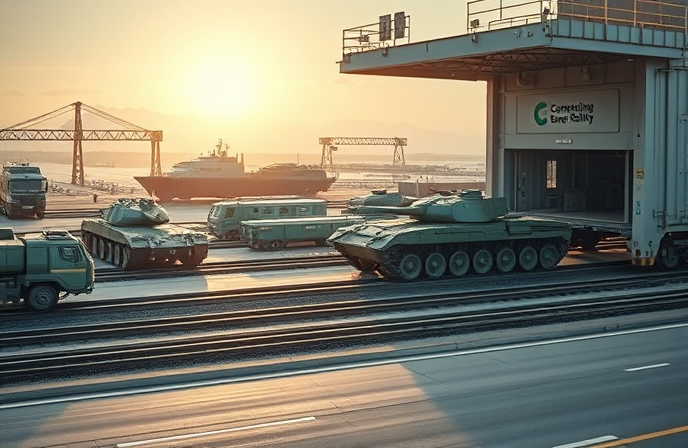
EU Launches Initiative to Enhance Military Mobility Across Europe
The European Commission and the EU’s High Representative are spearheading a significant initiative to streamline the movement of military personnel, equipment, and assets across the European Union and beyond. This undertaking, known as the Military Mobility Package, aims to address critical logistical and infrastructural challenges. Announced in mid-June, the project is driven by the imperative to strengthen the EU’s defense readiness, following the Joint White Paper for European Defence Readiness 2030. The initiative aims to overcome existing bottlenecks, procedural hurdles, and capability gaps to improve military mobility. This article will explore the scope of the Military Mobility Package, detailing its objectives, the stakeholder consultation process, and its potential impact on the EU’s defense infrastructure.
Addressing Infrastructure Bottlenecks and Capability Gaps
The cornerstone of the Military Mobility Package lies in its comprehensive approach to identifying and mitigating existing constraints. These constraints primarily stem from infrastructural limitations such as inadequate rail gauge compatibility, insufficient bridge load capacities, and insufficient port facilities to handle heavy military equipment. The package also addresses bureaucratic impediments and procedural delays, that can significantly slow down military deployments. The aim is to enhance the EU’s capacity to swiftly and effectively respond to security challenges by ensuring seamless transport. This includes harmonizing national procedures, establishing clear cross-border protocols, and fostering interoperability among transport and logistical systems. The Connecting Europe Facility (CEF) is providing EUR 1.7 billion to co-finance infrastructure projects across 21 Member States.
Stakeholder Engagement and Consultation Process
A crucial aspect of the Military Mobility Package is the extensive stakeholder consultation process, running from mid-June to the end of August 2025. This wide-ranging initiative encompasses a diverse array of entities, including Member States, the European Defence Agency (EDA), the Permanent Structured Cooperation (PESCO) framework, NATO, industry associations from the defense, transport, and energy sectors, transport infrastructure managers, the finance sector, civil society, research organisations, and think tanks. The consultation process includes an EU survey open until the end of July, the submission of research and position papers, and bilateral meetings designed to inform the development of the Military Mobility Package. These consultations are vital for gathering insights and ensuring that the final package effectively addresses the practical needs and concerns of all stakeholders.
Strategic Objectives and Policy Integration
The Military Mobility Package is designed to establish clear strategic objectives and harmonise national procedures to enhance infrastructure resilience. These strategic goals involve the integration of military mobility with broader EU policies in transport, energy, and taxation. This cross-sectoral approach is intended to streamline military movements across Europe, ensuring efficiency while minimising administrative burdens. The Commission intends to propose a joint communication, a regulation, and amendments to existing EU laws to facilitate the implementation of the package. This legislative component will provide the framework necessary for effective military mobility, supporting the EU’s defence objectives and enhancing its overall security posture.
Future Outlook and Industry Implications
The Military Mobility Package signifies a proactive step towards strengthening the EU’s defence capabilities and improving its capacity for rapid deployment. By addressing existing infrastructure deficits and streamlining logistical processes, the EU is poised to enhance its responsiveness to security threats. The focus on interoperability and cross-border coordination is expected to significantly reduce delays and enhance operational efficiency. The success of this initiative depends on the sustained commitment of all stakeholders, from national governments to the private sector. The anticipated regulations and infrastructure upgrades will likely create opportunities for companies in the transport, logistics, and construction sectors. The initiative also underscores the EU’s commitment to security and its broader strategic goals. Ongoing efforts to improve military mobility will likely boost the EU’s strategic autonomy and solidify its role on the global stage.
RELATED POSTS

September 13, 2017 11:05 am
High-speed rail is evolving! Discover how innovative design, advanced...
February 8, 2017 4:31 am
Alstom is upgrading PATH's network with a Siemens train protection...

July 20, 2015 11:20 am
ENSCO, Inc. is proud to announce that its wholly owned...
November 26, 2021 10:01 am
The Swiss Federal Railways (SBB) has made a significant investment...
September 26, 2017 4:36 am
High-speed rail is revolutionizing travel. Discover how innovative technologies...
July 4, 2017 2:17 pm
Here's a voiceover-friendly excerpt, tailored for railway professionals:**Light rail expansion**...