
Lima Metro: Huge Success, Record Ridership
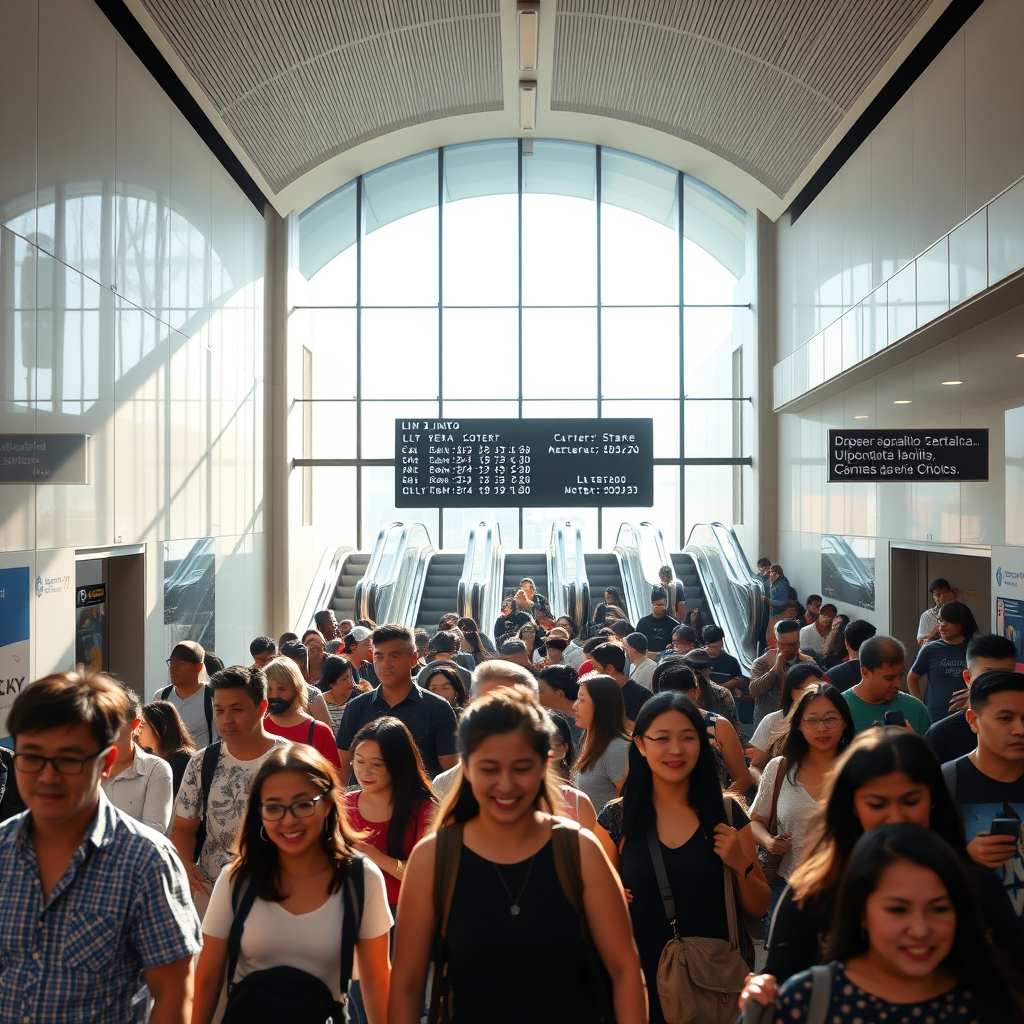
This article explores the successful launch and initial operation of Line 2, Stage 1A, of Lima’s first underground metro system. The unprecedented ridership figures during the initial free trial period highlight the significant demand for efficient and reliable public transportation in the city. We will examine the factors contributing to this high passenger volume, analyzing the line’s design, operational efficiency, and the impact of the free trial period on public acceptance. Furthermore, we will discuss the broader implications of this project for Lima’s urban development, its transportation infrastructure, and the potential for future expansion of the metro network. Finally, we will consider the challenges and opportunities presented by integrating this new system into the existing transportation ecosystem and discuss the potential for replication of this success in other developing urban centers globally.
Initial Operational Success and Ridership
The opening of Line 2, Stage 1A, of Lima’s metro on December 21, 2023, marked a significant milestone in the city’s public transportation infrastructure. The 5km stretch connecting Evitamiento and Mercado Santa Anita, featuring five stations, quickly attracted an unexpectedly high number of passengers. Within the first month, over 530,000 people utilized the system, exceeding the projected daily capacity of 60,000 passengers. This success is attributed to several factors, including the free trial period incentivizing ridership, the significant reduction in travel time compared to existing public transport (seven minutes versus 35 minutes), and the obvious need for improved public transit in the densely populated area served.
System Design and Passenger Flow
The efficient design of the line played a crucial role in its operational success. The five stations, while limited in number for this initial phase, were strategically placed to serve major population centers and transit hubs. The observed passenger distribution, with the terminal stations (Evitamiento and Mercado Santa Anita) each attracting approximately 150,000 riders in the first month, highlights the effectiveness of this strategy. Intermediate stations, like Óvalo Santa Anita (98,464 users), also demonstrated significant usage, indicating a well-planned network even within this limited segment. The integration of Intelligent Transportation Systems (ITS), although not explicitly detailed in the initial reports, is likely to play an important role in managing passenger flow and optimizing operations for the future.
The Impact of the Free Trial Period
The 90-day free trial period proved highly effective in familiarizing the public with the new metro line. This initiative mitigated concerns about ticket pricing and encouraged widespread adoption. The high ridership during this period suggests a substantial untapped demand for improved public transport within Lima. The success of this approach provides valuable insight into strategies for introducing new transportation infrastructure in urban settings, emphasizing the importance of public engagement and reducing barriers to entry.
Future Expansion and Integration
Stage 1A represents just a fraction of the planned Line 2, which will eventually encompass 27km and 27 stations. The success of this initial phase lays a strong foundation for the completion of the full line and potential future expansions of the Lima metro system. Successful integration with existing bus routes and other modes of transportation will be critical to maximize the overall efficiency of the city’s transport network. This requires a robust and well-coordinated approach to ensure seamless transfers and avoid creating new bottlenecks. The long-term success of the Lima metro project will depend on the ability to effectively manage these complexities and ensure the smooth operation of the expanded system.
Conclusions
The overwhelming success of Lima’s first underground metro line, specifically Stage 1A of Line 2, during its initial free trial period is a testament to the city’s urgent need for improved public transport. The exceeding of projected passenger numbers demonstrates a strong public demand for efficient and reliable transit solutions. The strategic placement of stations, combined with the significant time savings over existing options, contributed to the high ridership. The 90-day free trial proved an effective strategy for encouraging public adoption and familiarity with the new system. This initial success offers valuable lessons for urban planners and transport authorities worldwide, highlighting the importance of well-planned infrastructure, effective public engagement strategies, and the potential of a free trial period in fostering widespread public acceptance of new transportation systems. The successful implementation of this initial phase paves the way for the completion of Line 2 and further expansion of the Lima metro network, promising a significant improvement to the city’s overall transportation landscape and contributing to sustainable urban development. The experience in Lima offers a compelling case study in successfully deploying and integrating a modern metro system in a rapidly growing urban environment, providing valuable insights for similar projects in other developing cities.
RELATED POSTS

November 1, 2020 3:31 am
This article examines the $300 million loan provided by the...
March 4, 2023 9:16 am
This article explores the selection of RATP Dev as the...
April 27, 2025 4:10 pm
This article examines the recent decision by CrossCountry, a major...
January 7, 2018 6:22 am
London's Underground upgrade: Modern signaling, new trains, and smarter...

November 3, 2010 9:35 am
The Swedish Transport Administration has selected Nordic construction firm Peab...
June 23, 2025 10:33 am
Berlin's U-Bahn gets new trains, entering testing. Modernized trains...