
Hanoi Metro Line 3: A Modern Rail Success
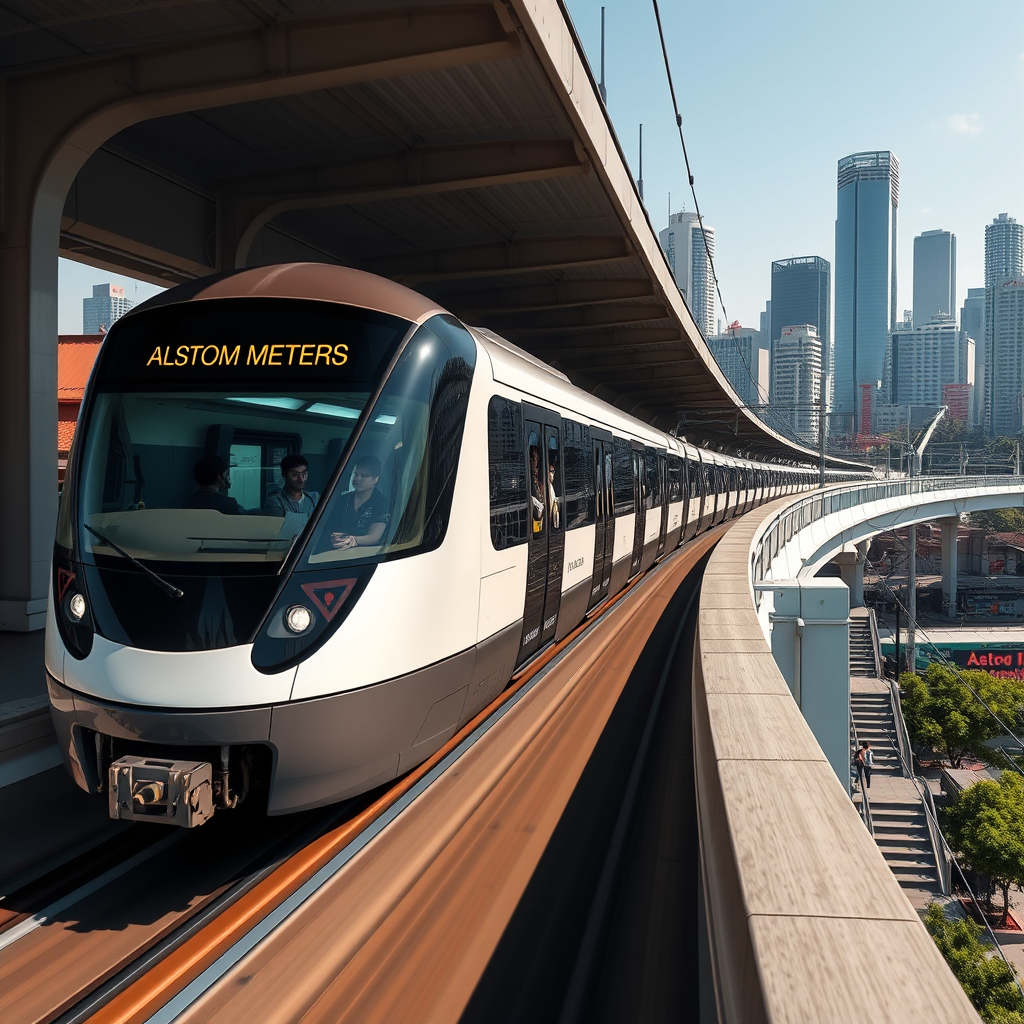
Hanoi Metro Line 3 Extension: A Case Study in Modern Urban Rail Development
This article examines the recent extension of Hanoi Metro Line 3, highlighting its significance as a model for future urban rail projects in rapidly developing cities. The expansion, delivered by Alstom in collaboration with Colas Rail, showcases a state-of-the-art approach to urban transportation, integrating advanced technologies to maximize efficiency and passenger capacity. We will explore the technological advancements employed, the project’s impact on Hanoi’s infrastructure and its broader implications for urban planning and sustainable transportation strategies. This analysis will delve into the specific technical solutions implemented, the logistical challenges overcome, and the lasting benefits this project delivers to Hanoi’s citizens and its future growth. The successful completion of this project provides valuable insights for other cities facing similar challenges in meeting the demands of a growing population and the need for efficient public transit solutions.
Technological Advancements in Hanoi Metro Line 3
The extension of Hanoi Metro Line 3 incorporates cutting-edge technologies to enhance operational efficiency and passenger experience. Alstom’s Metropolis trainsets, equipped with Urbalis 400 Communications-Based Train Control (CBTC), are a key component of this modernization. CBTC is a sophisticated signaling system that allows for significantly shorter headways (the time interval between trains), thereby increasing the line’s overall capacity. This system also improves safety and reliability through automated train control and real-time monitoring. The integration of CBTC signifies a move towards fully automated metro operation, which is a significant advancement for Hanoi’s transport network, preparing it for the demands of a growing population. This move also emphasizes Alstom’s expertise in delivering turnkey solutions for complex metro projects, covering everything from rolling stock to depot equipment and power systems.
Infrastructure Development and Urban Integration
The 12.5km extension, including both elevated and underground sections, required significant infrastructure development. This project not only expanded the existing network but also integrated seamlessly with the existing urban fabric, serving six districts and 1.6 million residents. The careful planning and execution of the project minimized disruption to the city during construction. This is crucial for demonstrating the value and benefits of large-scale public works projects. The successful integration of the expanded metro line into the urban environment shows careful urban planning and a commitment to minimizing disruption during construction. This showcases the benefits of meticulous planning and engineering for urban rail projects.
Operational Efficiency and Passenger Capacity
The enhanced capacity and efficiency of Line 3 are projected to significantly improve Hanoi’s public transport. With an anticipated hourly capacity of nearly 24,000 passengers in each direction, the line addresses the growing need for efficient mass transit within the city. The implementation of CBTC, combined with the increased number of stations and the optimized train schedule, enables higher train frequencies, reduced waiting times, and improved overall passenger flow. The use of the Alstom Metropolis trains also demonstrates a commitment to providing modern and comfortable passenger transport. The improved transport system is not only improving the lives of Hanoi commuters, it also has the potential to promote economic growth and support the overall sustainable development of the city.
Conclusion
The successful completion and inauguration of the Hanoi Metro Line 3 extension marks a significant milestone in Hanoi’s urban development and showcases a global best-practice model for modern metro systems. The project’s success rests on a multifaceted approach encompassing sophisticated technology, meticulous planning, and strong collaboration between international and local stakeholders. The implementation of Alstom’s Urbalis 400 CBTC system significantly enhances operational efficiency, allowing for shorter headways and increased passenger capacity, thereby addressing the growing transportation demands of Hanoi’s expanding population. The integration of the expanded line into the existing urban infrastructure demonstrates a commitment to seamless urban planning. The project also highlights the importance of strategic partnerships between international companies like Alstom and Colas Rail and local authorities in delivering complex infrastructure projects. This successful undertaking serves as a valuable case study for other cities worldwide grappling with the challenges of sustainable urban transportation and rapid population growth. The anticipated positive impacts on Hanoi’s economy, its citizens’ quality of life, and its overall sustainable development make this project a model for future urban rail expansion initiatives globally. The combination of advanced technology and carefully considered urban integration creates a model that other cities can and should emulate when planning future transport infrastructure.
RELATED POSTS

February 22, 2025 11:45 pm
Modernizing Île-de-France’s Rail Network: Alstom’s €300 Million Signalling Contract This...

December 10, 2016 10:24 am
"Rail Engineering & Maintenance is undertaking a £25 million refurbishment...

March 30, 2025 6:18 pm
This article explores the significant €150 million contract awarded to...
March 9, 2018 12:46 am
Germany's investing €12 million in hydrogen fuel cell technology for...
February 27, 2021 5:30 am
This article examines the successful completion of a significant railway...

September 3, 2007 7:47 am
Athens’ suburban railway is to recieve €40m in upgrades in...