
Paris Rail Upgrade: Alstom’s €300M NExTEO Deal
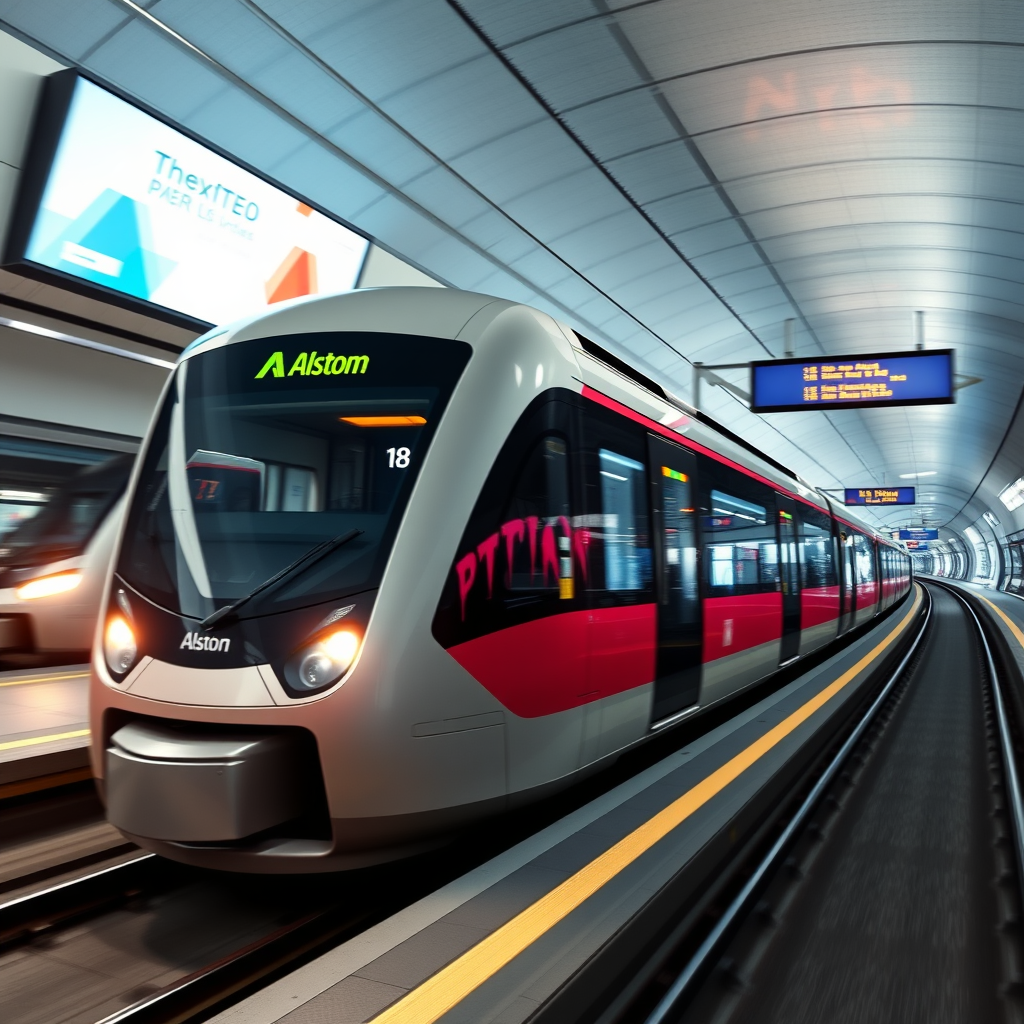
Modernizing Île-de-France’s Rail Network: Alstom’s €300 Million Signalling Contract
This article delves into the significant €300 million ($327 million) contract awarded to Alstom, a leading rolling stock manufacturer, for the implementation of its NExTEO signaling system on the RER B and D lines in the Île-de-France region (Paris and surrounding suburbs). This project represents Alstom’s largest signaling contract in France and underscores the critical need for advanced signaling technology to address the increasing passenger demands and operational complexities of a major metropolitan rail network. The Île-de-France region, with its dense population and extensive RER (Réseau Express Régional – Express Regional Network) system, faces persistent challenges related to capacity, reliability, and energy efficiency. This contract signifies a substantial investment in upgrading the existing infrastructure to meet these challenges using cutting-edge signaling solutions. We will examine the technological advancements embodied in the NExTEO system, the collaborative effort between key stakeholders, and the long-term implications for the region’s rail transport infrastructure. The analysis will consider the multifaceted benefits, including increased operational efficiency, enhanced safety, and reduced energy consumption, all contributing to a more sustainable and passenger-centric rail system.
The NExTEO Signalling System: A Technological Leap
Alstom’s NExTEO signaling system represents a state-of-the-art solution for optimizing rail operations. It leverages advanced technologies to enhance safety, improve capacity, and reduce energy consumption. Specifically, the system’s implementation on the RER B and D lines will likely involve the use of Communication-Based Train Control (CBTC), a technology that enables precise train positioning and spacing through continuous communication between the train and the trackside infrastructure. This allows for shorter headways (the time interval between trains), increasing the overall capacity of the lines. Furthermore, NExTEO’s design incorporates features for energy efficiency, potentially leading to savings of up to 30% compared to older systems. This is particularly relevant given the growing concerns about sustainability in the transportation sector. The system’s adaptability to different population densities, ensuring optimal performance in both the dense Parisian core and the less populated suburban areas, highlights its flexibility and robust design.
A Collaborative Approach: Stakeholders and Partnerships
The success of this project hinges on effective collaboration among various stakeholders. The contract was jointly awarded by Île-de-France Mobilités (the Île-de-France public transport authority), SNCF Réseau (the French national railway infrastructure manager), SNCF Voyageurs (the French national passenger railway operator), and RATP (the operator of the Paris public transport system). This multi-party partnership underscores the shared commitment to modernizing the region’s rail network. Each stakeholder brings unique expertise and responsibilities, ranging from infrastructure ownership and management to passenger operations and overall transport planning. The collaborative nature of this endeavor reflects a strategic approach to addressing the complex challenges of rail infrastructure management in a densely populated urban environment. Such collaboration is crucial for ensuring seamless integration and successful implementation of the new signaling system.
Impact and Benefits: Enhanced Rail Operations
The implementation of the NExTEO system is expected to bring significant improvements to the RER B and D lines. These include enhanced reliability and performance, increased capacity through shorter headways, and reduced energy consumption. The project’s scope involves equipping approximately 350 trains and 100 km of track, demonstrating the scale of the modernization effort. The expected benefits extend beyond improved operational efficiency to encompass enhanced passenger experience through increased punctuality and reduced travel times. The environmental impact is also noteworthy, with significant energy savings contributing to a more sustainable transportation system. Ultimately, this modernization project contributes to the long-term goals of providing efficient, reliable, and environmentally friendly public transportation for the Île-de-France region.
Conclusion: A Vision for the Future of Parisian Rail
Alstom’s €300 million contract to install the NExTEO signalling system on the RER B and D lines represents a pivotal moment in the modernization of the Île-de-France rail network. The project showcases the power of collaboration between key stakeholders – Île-de-France Mobilités, SNCF Réseau, SNCF Voyageurs, and RATP – all working together to achieve a shared objective of improving rail transport in the region. The adoption of NExTEO, with its advanced CBTC technology and focus on energy efficiency, promises a significant leap forward in terms of operational efficiency, passenger experience, and environmental sustainability. The contract’s scope, encompassing 350 trains and 100km of track across two of the busiest RER lines, emphasizes the scale and importance of this undertaking. The successful implementation of this project serves as a model for other major metropolitan areas seeking to enhance their rail infrastructure, showcasing the benefits of strategic investment in advanced signaling technologies and collaborative partnerships. The improved reliability, increased capacity, and reduced energy consumption resulting from the NExTEO system will not only improve the daily commute for millions of passengers but also contribute to the long-term sustainability of the region’s transportation system. This is a testament to the commitment to creating a more efficient and environmentally conscious rail network for the future of Île-de-France.
RELATED POSTS
Union Pacific earned an 80% top Class I railroad intermodal...

March 6, 2026 12:10 pm
Consortium Announces Digital Services Platform for UK Rail Sector A...
March 5, 2026 7:57 pm
Banedanmark launched battery train operations on Denmark's 67 km Skjern–Holstebro...
March 5, 2026 4:23 am
Renfe suspends Spain rail services on Madrid-Andalusia corridor until February...
March 6, 2026 4:07 pm
Digital Subscription Market Analysis Q1 2026 Analytics firm Antenna confirmed...
March 4, 2026 10:12 am
Amtrak and Siemens deploy 8 Airo trains for the U.S....