
5G Rail Revolution: AWTG, Airspan, and the ECH-R Project
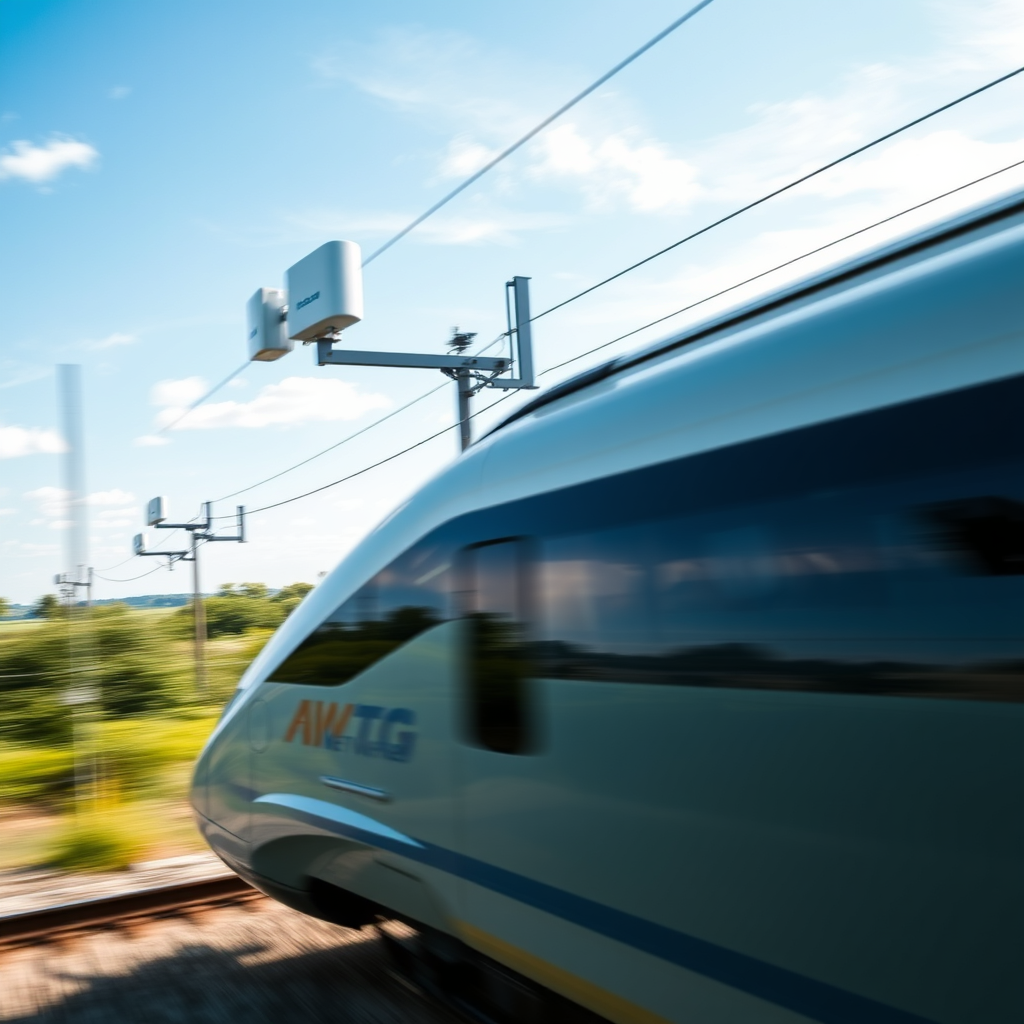
The integration of 5G technology into railway infrastructure is rapidly transforming the sector, promising enhanced connectivity and operational efficiency. This article delves into the England’s Connected Heartland Railways (ECH-R) project, a significant initiative leveraging 5G to revolutionize railway operations and passenger experience. We will explore the partnership between AWTG (Advanced Wireless Technology Group), a leading network solutions provider, and Airspan Networks, a prominent Radio Access Network (RAN) supplier, in deploying 5G along railway lines. This collaboration showcases the potential of 5G to address challenges in rural connectivity while simultaneously enhancing the operational capabilities of the railway network. The discussion will cover the technological aspects of the deployment, its implications for passengers and railway staff, and the wider economic and social benefits, considering the project’s contribution to the UK’s 5G Innovation Regions program and its potential for replication elsewhere. Finally, we will assess the long-term implications and challenges of large-scale 5G deployment in the rail sector.
AWTG and Airspan Networks: A Strategic Partnership for 5G Rail
The ECH-R project signifies a crucial step toward modernizing the UK’s railway infrastructure. AWTG, responsible for the end-to-end network design and implementation, selected Airspan Networks as its RAN partner due to Airspan’s expertise in providing robust and scalable 5G solutions, particularly in challenging environments. The selection of Airspan’s AirSpeed 1900 Outdoor Small Cells is key; these compact yet powerful units are designed for optimal performance in outdoor settings, ensuring consistent 5G coverage along the railway lines. This strategic partnership leverages the strengths of both companies, combining AWTG’s network management expertise with Airspan’s cutting-edge 5G technology. This collaboration showcases a best-practice model for the successful implementation of 5G in rail, particularly for private networks.
Enhancing Passenger Experience and Operational Efficiency
The deployment of 5G along the railway lines promises significant improvements for both passengers and operational teams. For passengers, 5G offers seamless high-speed internet access, enhancing their travel experience with uninterrupted connectivity for work, entertainment, and communication. For operational teams, the high bandwidth and low latency of 5G enables the implementation of mission-critical applications such as real-time train monitoring, predictive maintenance through onboard diagnostics, and enhanced communication systems. This improved data access streamlines operations, allowing for more efficient resource allocation and proactive problem-solving, minimizing potential delays and enhancing overall operational safety.
Addressing the Connectivity Gap in Rural Communities
A significant benefit of the ECH-R project extends beyond the railway itself. The 5G infrastructure deployed will also provide Fixed Wireless Access (FWA) to rural communities and businesses along the railway route. This addresses a crucial challenge in bridging the digital divide, bringing high-speed broadband access to areas previously underserved. This aspect of the project highlights the broader societal benefits of investing in advanced communication technologies within rail infrastructure, stimulating economic growth and improving quality of life in rural areas. The project demonstrates the potential for leveraging existing railway infrastructure to boost connectivity across a wider geographical area.
Sustainability and Future Outlook of 5G in Rail
The ECH-R project underscores the increasing importance of considering the long-term sustainability of technological advancements within the rail industry. While the focus is on improving connectivity and efficiency, future projects must equally consider energy consumption and environmental impact. Furthermore, the scalability and interoperability of 5G networks are critical for wider adoption. The success of the ECH-R project, through its demonstration of commercial viability, can pave the way for replication in other regions, both nationally and internationally. The use of Open RAN technologies in related projects like the Borderlands 5GIR initiative suggests a move towards more open and interoperable 5G networks, promoting wider industry participation and innovation. This open approach is crucial for long-term sustainability and competitiveness in the global railway technology market.
Conclusions
The ECH-R project, spearheaded by AWTG and Airspan Networks, represents a significant leap forward in integrating 5G technology into railway infrastructure. The deployment of Airspan’s AirSpeed 1900 Outdoor Small Cells provides robust 5G Standalone (SA) connectivity along the railway lines, creating a high-speed network that directly benefits both passengers and operational teams. The improved passenger experience through seamless high-speed internet access is complemented by enhanced operational efficiency enabled by real-time train monitoring, onboard diagnostics, and improved communication systems. Importantly, the project extends beyond the railway itself, providing Fixed Wireless Access (FWA) to rural communities and businesses, addressing the digital divide and fostering economic growth. The success of ECH-R, as part of England’s Connected Heartland and its linkages to similar initiatives like the Borderlands 5GIR project (Borderlands 5G Innovation Region), highlights the commercial sustainability and scalability of 5G private networks in rail. The project’s open approach using Open RAN technologies promotes broader industry collaboration and drives innovation, setting a precedent for future railway modernization projects worldwide. However, future deployments should carefully consider environmental impact and energy efficiency to ensure the long-term sustainability of these 5G rail networks. The ECH-R project serves as a compelling case study demonstrating the transformative potential of 5G in rail, paving the way for a more connected, efficient, and sustainable future for the railway industry.
RELATED POSTS

August 13, 2025 2:33 am
US tariffs are straining rail imports, increasing costs and congestion...

October 16, 2019 10:39 am
Introduction This article explores the innovative approach adopted by Deutsche...

September 6, 2010 11:41 am
German rail operator Deutsche Bahn (DB) will test a high-speed...
October 13, 2023 11:56 am
The resurgence of overnight rail travel across Europe is gaining...

May 29, 2025 5:01 pm
Hamilton LRT Project Moves Forward with Request for Proposals for...
August 5, 2025 10:33 am
“`html Madrid Metro to Invest Heavily in Automated Line 6...