
Hamilton LRT: Civil Works RFP Moves Project Forward
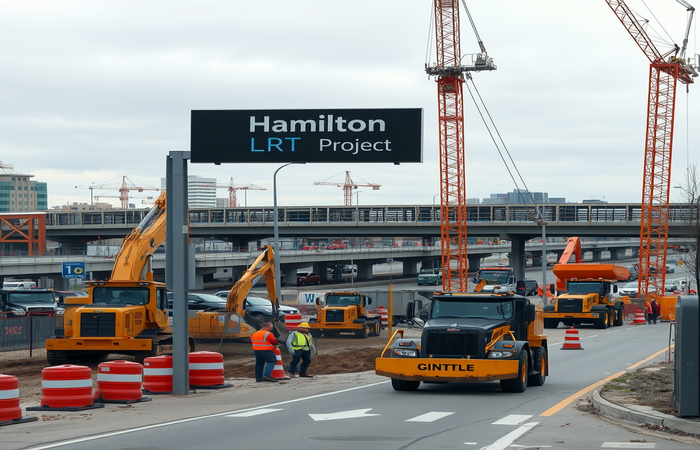
Hamilton LRT Project Moves Forward with Request for Proposals for Civil Works
Hamilton, Canada – [Date] – The Hamilton Light Rail Transit (LRT) project is advancing significantly as the Government of Ontario, Canada, has issued a Request for Proposals (RFP) for the first major procurement package. This pivotal step focuses on civil and utility works, marking a crucial stride towards realizing this transformative public transit initiative. Four pre-qualified consortia, each possessing a wealth of expertise and experience in the railway sector, have been invited to submit their detailed proposals. This initial phase of the project, valued at a substantial portion of the overall construction budget, is designed to establish a solid foundation for the broader LRT system.
The Hamilton LRT project, a key component of Ontario’s regional transit expansion strategy, promises to reshape the city’s transportation landscape, connecting communities, fostering economic growth, and contributing to a more sustainable future. With a dedicated funding commitment from both the provincial and federal governments, this project underscores the importance of modern, integrated public transit in addressing the evolving needs of a growing urban population. This news article delves into the specifics of the RFP, the project’s scope, its potential impact on Hamilton, and its broader significance within Ontario’s comprehensive transit vision. We will explore the strategic division of the project into packages, the involvement of key stakeholders, and the projected benefits for commuters and the city as a whole.
Procurement and Project Scope: Laying the Groundwork
The issuance of the RFP follows a rigorous Request for Qualifications (RFQ) process, ensuring that only the most capable consortia are considered. The four selected consortia are now tasked with developing comprehensive proposals for a wide range of civil engineering works along the proposed 14-kilometer light rail corridor, which will stretch from McMaster University in the west to Eastgate Square in the east.
The scope of work for this first package, known as Civil Works and Utilities (Package 1), is extensive. It includes:
- Relocation of existing utilities, a critical undertaking to prepare the right-of-way.
- Realignment of roadways to accommodate the LRT infrastructure.
- Construction of essential structures such as bridges and grade separations, ensuring the LRT’s efficient operation and safety.
- Installation of pedestrian-friendly elements, including sidewalks, and integration of sophisticated traffic control systems.
This initial package is strategically designed to encompass approximately 50% of the total construction value, establishing a strong foundation for the subsequent stages of the project. This phased approach enables corridor-specific complexities to be addressed early, minimizing risks and ensuring a more manageable and well-defined project structure for the second package.
Strategic Project Packaging and System Integration
The Hamilton LRT project has been strategically divided into two major implementation packages to streamline the construction process and mitigate potential risks. Package 1, as previously discussed, focuses on civil works and utility relocations. Package 2 will encompass the core LRT systems, including the installation of stops, rail infrastructure, and operational systems. This includes the guideway, track work, operational systems, and the construction of an operations, maintenance, and storage facility (OMSF). The selection of a separate package for the LRT’s infrastructure and operational systems allows for a more focused approach to the complex technical requirements and ensures the seamless integration of all components. This approach also allows for the potential inclusion of a concession period for operations and maintenance, ensuring long-term sustainability and efficiency of the system. The separation also helps to delineate the responsibilities and risks associated with each phase of the project, optimizing the overall management and delivery of the Hamilton LRT.
Funding, Collaboration, and Broader Context
The Hamilton LRT project is a testament to the collaborative efforts of the provincial and federal governments. In May 2021, a joint investment of up to CAD 3.4 billion (USD 2.5 billion) was announced, with each level of government contributing up to CAD 1.7 billion (USD 1.2 billion). This significant financial commitment underscores the importance of the project for the city of Hamilton and the broader Greater Toronto and Hamilton Area (GTHA). The federal government’s support is crucial for the project’s viability, particularly in light of a previous technical review that indicated the need for additional funding to ensure a transit line of sufficient length and capacity.
The Hamilton LRT is part of Ontario’s ambitious plan for modern, integrated public transit across the GTHA. This project is one of five major priority projects, alongside the Ontario Line, the Scarborough metro extension, the Eglinton Crosstown West extension, and the Yonge North metro extension. The federal government is supporting these projects through the Investing in Canada Infrastructure Programme, contributing up to 40% of the funding. In 2021, the federal government pledged a total of CAD 10.7 billion (USD 7.7 billion) to accelerate the delivery of these transformative transit projects. The province’s regional transit expansion strategy has a total value of CAD 28.5 billion (USD 20.6 billion), with the Province contributing approximately CAD 17 billion (USD 12.3 billion). This investment highlights the province’s commitment to building more efficient transportation networks to facilitate economic growth and improve quality of life.
Impact and Future Prospects
Once completed, the Hamilton LRT is projected to serve an estimated 50,000 daily riders, offering a frequent and reliable mode of transport. The LRT will seamlessly integrate with the existing Hamilton Street Railway bus network and the regional GO Transit rail services, creating a comprehensive and accessible public transit system. The line will feature 17 strategically located stops, providing convenient access to major destinations such as McMaster University, City Hall, Hamilton Stadium, downtown Hamilton, Eastgate Square, and other key employment and cultural hubs.
The implementation of the Hamilton LRT will generate numerous benefits for the city and its residents. By providing efficient and reliable public transit, the project will reduce traffic congestion, enhance air quality, and contribute to Hamilton’s climate goals. It will also improve accessibility to jobs, educational opportunities, and housing, particularly for those living near the LRT corridor. Moreover, the project is expected to stimulate economic growth by creating jobs and attracting investment in the areas surrounding the LRT stations. It will also contribute to the creation of a more vibrant and sustainable urban environment, enhancing the overall quality of life for Hamilton residents.
Conclusion
The issuance of the RFP for civil works marks a pivotal moment in the realization of the Hamilton LRT project. This significant step underscores the commitment of the Government of Ontario, with the backing of the federal government, to deliver a modern, sustainable, and integrated public transit system. The four selected consortia are now tasked with developing comprehensive proposals for civil and utility works, the foundation upon which the entire LRT system will be built. The project’s strategic packaging, with a clear delineation of responsibilities and a focus on mitigating risks, ensures efficient construction. The Hamilton LRT is designed to be a catalyst for positive change in Hamilton, connecting communities, boosting economic opportunities, and contributing to a greener future. The project exemplifies Ontario’s broader vision for modern, integrated public transit, which will significantly improve the lives of Hamilton residents. The Hamilton LRT’s long-term impacts include enhanced connectivity, improved air quality, and more sustainable urban development.
“`
**Summary of Companies:**
The article does not list the names of the consortia invited to submit proposals.
RELATED POSTS

December 1, 2021 3:57 am
Modernizing New Zealand’s Rail Infrastructure: The Hillside Railway Workshop Redevelopment...
December 13, 2021 8:40 pm
Introduction This article explores the significant upgrade to Salvador, Brazil’s...
February 4, 2022 8:06 pm
This article explores the strategic partnership between Hitachi Rail and...
December 7, 2021 1:12 am
The recent unveiling of a new-energy suspended monorail (sky train)...
March 30, 2018 1:00 am
India successfully exported 18 high-performance diesel-electric locomotives to Myanmar, six...
October 28, 2019 1:18 am
Expanding Rail Connectivity in Eastern Germany: The Rostock-Berlin-Dresden Line This...