
Union Pacific’s $3.4B Investment: Growth Strategy
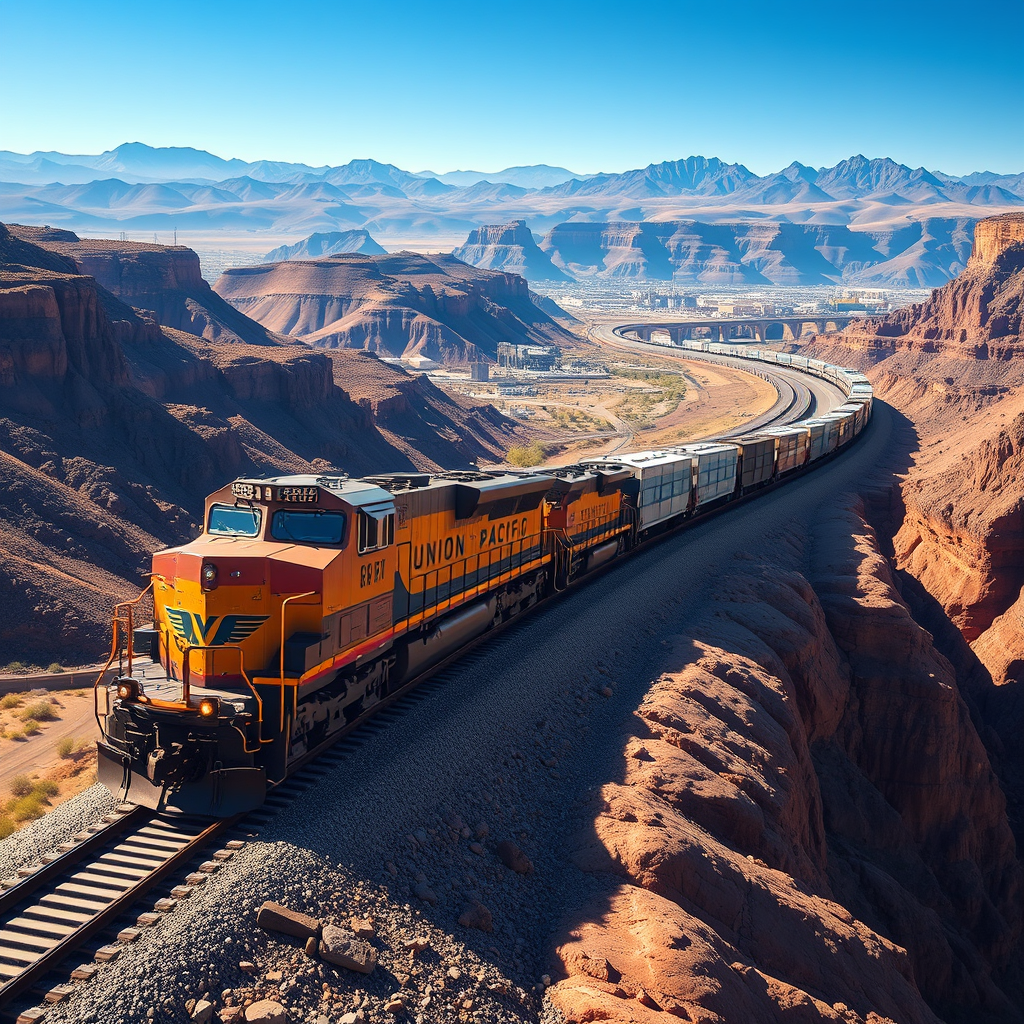
Union Pacific’s Strategic $3.4 Billion Capital Investment Plan: A Deep Dive
This article examines Union Pacific Railroad’s (UP) ambitious $3.4 billion capital investment plan for 2024, a significant commitment despite a reported 9% decrease in net income in 2023. This investment underscores UP’s long-term strategic vision for enhancing operational efficiency, safety, and customer service. The plan isn’t merely a reactive measure to address recent financial challenges; rather, it’s a proactive strategy aimed at bolstering the company’s competitive position in the freight transportation sector. We will analyze the allocation of funds across infrastructure upgrades, rolling stock modernization, technological advancements, and capacity expansion, exploring the rationale behind these investments and their potential impact on UP’s overall performance and the broader economy. The detailed breakdown of this plan reveals a commitment to safety, efficiency, and future growth within the context of the current economic climate.
Infrastructure Revitalization: The Foundation of Efficiency
The lion’s share of UP’s investment, a staggering $1.9 billion, is dedicated to infrastructure upgrades and replacements. This commitment reflects the critical role of a robust and well-maintained rail network in ensuring operational reliability and safety. This investment likely encompasses track rehabilitation (including ballast replacement and rail renewal), bridge repairs and upgrades, signal system modernization, and improvements to other critical infrastructure components. Investing in these foundational elements not only reduces operational disruptions caused by unforeseen failures but also enhances the overall safety of the rail network, mitigating risks and minimizing the likelihood of accidents. The long-term benefits of such substantial investment in infrastructure far outweigh the short-term costs, fostering sustainable growth and enhancing UP’s competitive advantage.
Rolling Stock and Equipment Modernization: Enhancing Capacity and Efficiency
Allocating $600 million to rolling stock and equipment, including freight car acquisitions and locomotive modernization, demonstrates UP’s focus on enhancing its fleet’s efficiency and capacity. This investment builds upon previous modernization efforts, such as the $1 billion contract with Wabtec for locomotive upgrades. The acquisition of new freight cars addresses both replacement needs and growth opportunities, supporting increased cargo volume and improved service offerings. Modernized locomotives offer improved fuel efficiency, reduced emissions, and enhanced operational capabilities, further contributing to cost savings and operational efficiency. These investments directly impact UP’s ability to handle increasing cargo volumes while minimizing environmental impact and maximizing profitability. This strategy aligns with the increasing demand for efficient and sustainable freight transportation solutions.
Technology Integration: Driving Operational Optimization
The $300 million investment in technology underscores UP’s commitment to leveraging advancements in data analytics, predictive maintenance, and automation to optimize its operations. This investment may involve upgrading existing systems and implementing new technologies such as advanced train control systems (ATCS), sophisticated asset management systems, and data-driven decision-making tools. By embracing technological advancements, UP aims to improve train scheduling, enhance predictive maintenance of rolling stock and track infrastructure, and optimize resource allocation, leading to increased operational efficiency, reduced costs, and enhanced safety. This investment is crucial for maintaining a competitive edge in the increasingly technology-driven rail industry.
Capacity Expansion and Strategic Growth: Targeting Key Markets
The investment plan includes capacity expansions and strategic investments in high-growth areas such as Southern California, Phoenix, Arizona, and Kansas City, Missouri. This includes investments in siding extensions to enhance track capacity and improve operational efficiency. These focused expansions demonstrate UP’s strategic understanding of market demands and its commitment to meeting the needs of its customers in key economic hubs. By strategically expanding its capacity in these growth markets, UP aims to capture a larger share of the freight transportation market and enhance its profitability. This targeted approach ensures that investments are strategically allocated to support areas with the highest potential for return on investment.
Conclusion
Union Pacific’s $3.4 billion capital investment plan represents a bold and forward-looking strategy aimed at securing its position as a leading freight railroad in North America. The plan’s strategic allocation of resources across infrastructure revitalization, rolling stock modernization, technological integration, and targeted capacity expansion reflects a comprehensive approach to enhancing operational efficiency, safety, and customer service. While the 9% decrease in net income in 2023 might raise some concerns, the significant investments made demonstrate UP’s long-term commitment to its growth and profitability. The focus on infrastructure modernization is crucial for mitigating operational risks and ensuring the smooth and safe movement of goods. Modernizing its rolling stock fleet improves efficiency, reduces environmental impact, and strengthens its ability to meet the evolving demands of the transportation sector. Finally, the commitment to technology enhances precision, safety, and data-driven decision-making, further streamlining operations. By investing in these key areas, Union Pacific is not merely reacting to current market challenges, but proactively positioning itself for future success in a dynamic and competitive landscape. The long-term benefits of this ambitious plan are likely to outweigh the short-term costs, ultimately strengthening UP’s financial position and its contribution to the national economy. The plan demonstrates a strong commitment to safety, efficiency, and sustainable growth, setting the stage for future success and solidifying UP’s position as a leader in the rail industry.
RELATED POSTS

July 3, 2025 9:33 pm
Queensland Rail retires iconic EMUs after 4 decades, marking a...

March 23, 2021 4:41 am
Electrification and High-Speed Rail Expansion in the Tibetan Plateau This...
May 17, 2019 3:50 am
Enhancing the Commuter Experience: Wi-Fi Deployment on the Greater Cleveland...
December 27, 2020 4:40 pm
This article examines the significant investment by the European Investment...

January 25, 2008 9:25 pm
Slovenian Railways is to increase its fleet with 12 Eurosprinter...
August 4, 2017 4:17 pm
Revolutionizing rail safety and efficiency is achievable! Learn how...