
UK Rail’s Real-Time Data: Transparency & Reform
Introduction
The British railway system is undergoing a significant transformation, marked by a shift towards public ownership and a renewed focus on passenger satisfaction. A key element of this transformation involves enhancing transparency and accountability within the rail industry. This article explores the recent implementation of live train performance data displays at over 1,700 stations across England, analyzing its potential impact on passenger trust, the broader implications for railway modernization, and the role of technological advancements in improving service reliability. We will examine the initiative’s context within the larger framework of railway reform in the UK, including the creation of Great British Railways (GBR), the transition to public ownership, and ongoing efforts to improve punctuality and reduce cancellations. Furthermore, we will discuss the technological underpinnings of the data dissemination strategy and consider the potential for future technological improvements to further enhance the passenger experience and operational efficiency.
Real-time Data Dissemination: A Step Towards Transparency
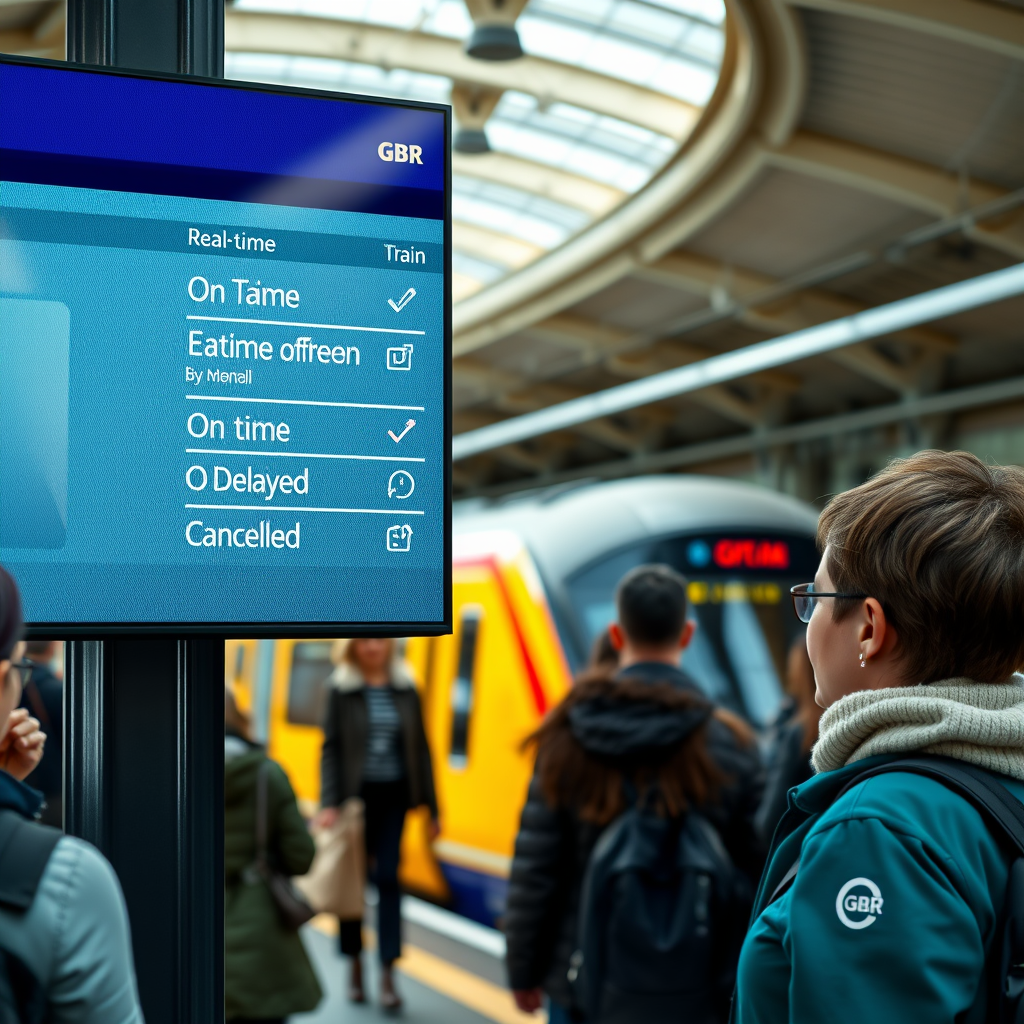
The Office of Rail and Road (ORR) has launched a new data portal and implemented real-time displays at stations across England, providing passengers with immediate access to punctuality and cancellation data for individual train operators. Major stations feature digital screens showcasing this information, while smaller stations utilize QR codes linking to the online portal. This initiative represents a significant step towards greater transparency, allowing passengers to make informed decisions and hold train operators accountable for service performance. The accessibility features, including provision for visually impaired passengers, demonstrate a commitment to inclusivity. This real-time data provides immediate feedback to passengers, enhancing their understanding of the current operational status and any potential disruptions.
The Broader Context of Railway Reform
The introduction of live performance data is intricately linked to the wider reform of the UK railway system. The creation of Great British Railways (GBR), a publicly owned entity unifying track and train operations, aims to streamline processes and improve overall efficiency. This move, coupled with the Public Ownership Act, aims to eliminate inefficiencies inherent in the previous privatized model, ultimately saving taxpayers an estimated £150 million ($192 million) annually. The transition to public ownership, while complex, is expected to yield significant improvements in service quality and responsiveness to passenger needs. The commitment to improved performance is further reinforced by statements from both the UK Transport Secretary and the Rail Delivery Group, highlighting the industry’s collective efforts towards enhanced reliability.
Technological Advancements and Future Prospects
The successful implementation of the live performance data system relies on robust technological infrastructure. The use of digital screens and QR codes, combined with a centralized online portal, showcases the effective integration of technology to improve communication and accessibility. The system’s potential for future enhancement is significant. Integration with mobile applications, personalized alerts, and predictive analytics could further enhance passenger experience and optimize operational planning. Moreover, the ongoing exploration of contactless ticketing using GPS technology suggests a broader commitment to technological advancement within the UK railway system, promising further improvements in convenience and efficiency. The centralization of train control systems using cloud technology also promises improvements in the overall efficiency and resilience of the rail network.
Conclusions
The introduction of live train performance data at over 1,700 stations in England marks a pivotal moment in the ongoing transformation of the UK railway system. This initiative, coupled with the broader context of railway reform, including the creation of GBR and the transition to public ownership, signifies a clear commitment to enhancing passenger satisfaction and improving overall service reliability. The real-time data displays offer greater transparency, allowing passengers to make informed decisions and hold operators accountable. The successful deployment of this system demonstrates the effective integration of technology to improve communication and accessibility. Future development could include integration with mobile applications, personalized alerts, and predictive analytics, further enhancing passenger experience and operational efficiency. The modernization of the rail network, including the implementation of centralized control systems and contactless ticketing, promises to deliver significant improvements in service quality, convenience, and overall efficiency, ultimately contributing to a more reliable and passenger-centric railway experience. The success of this initiative hinges on continuous improvement and adaptation, leveraging technological advancements to create a truly modern and efficient railway network that serves the needs of all passengers. The proactive steps taken by the government and industry stakeholders demonstrate a clear intention to build a more efficient, reliable, and transparent railway system for the benefit of the British public. The commitment to passenger-centric improvements and technological advancement positions the UK railway system for a future of enhanced service and increased public trust.
RELATED POSTS

Union Pacific earned an 80% top Class I railroad intermodal...

March 6, 2026 12:10 pm
Consortium Announces Digital Services Platform for UK Rail Sector A...

March 5, 2026 7:57 pm
Banedanmark launched battery train operations on Denmark's 67 km Skjern–Holstebro...

March 4, 2026 10:12 am
Amtrak and Siemens deploy 8 Airo trains for the U.S....
March 6, 2026 4:07 pm
Digital Subscription Market Analysis Q1 2026 Analytics firm Antenna confirmed...

March 5, 2026 4:23 am
Renfe suspends Spain rail services on Madrid-Andalusia corridor until February...