
UK Rail’s Post-Pandemic Surge: Demand vs Safety
The UK’s rail travel industry has experienced a significant resurgence following the pandemic, with 25% increases in planned journeys despite social distancing measures, necessitating strategic balance between passenger demand and safety to manage increased capacity while prioritizing essential travel.
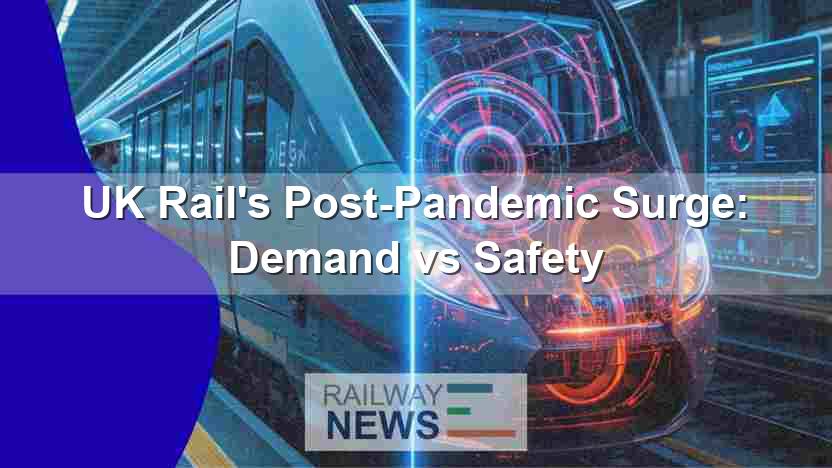
The COVID-19 pandemic significantly impacted global transportation systems, and the UK’s railway network was no exception. While initially experiencing a dramatic decline in ridership, the UK has seen a notable resurgence in rail travel bookings. This article explores the complex interplay between the increase in passenger demand, the ongoing need for social distancing measures, and the railway industry’s strategic response to this evolving situation. We will examine the challenges faced by train operating companies (TOCs) in balancing increased demand with the imperative to ensure passenger safety and the innovative solutions being implemented to manage capacity and maintain a safe travel environment. Finally, we will analyze the long-term implications of these trends on the future of UK rail travel. The 25% increase in planned rail journeys reported by the Rail Delivery Group (RDG) highlights a critical juncture in the recovery of the rail sector, demanding a careful and strategic approach.
Managing Increased Demand Amidst Social Distancing
The 25% surge in rail travel bookings presented a significant challenge to the UK’s rail industry. This increase occurred while stringent social distancing measures remained in place, significantly limiting train capacity. Even with increased services and longer trains, TOCs could only accommodate approximately 10% of their usual passenger capacity. This necessitated a strategic approach to manage demand and prioritize essential travel. The RDG’s call for passengers to only travel when necessary reflects this critical need to balance public health concerns with the demand for transportation services. The emphasis on purchasing tickets online, avoiding peak hours, and utilizing alternative forms of transport like cycling or walking underscores a proactive effort to mitigate overcrowding and maintain social distancing.
Technological and Operational Adaptations
To address the capacity constraints, the rail industry implemented various operational and technological adaptations. Increasing service frequency and utilizing longer train formations were key strategies to boost capacity, although these were limited by the need to maintain social distancing. The promotion of online ticket purchasing aimed to streamline the boarding process and minimize contact at stations. Additionally, intensified cleaning protocols for trains and stations were implemented to maintain hygiene and minimize the risk of infection. Improved signage within stations and trains further aided passengers in maintaining social distancing and following safety guidelines. These operational changes, coupled with the emphasis on responsible travel, demonstrate the industry’s commitment to safeguarding passenger and staff well-being.
Passenger Responsibility and Public Health
The successful navigation of this increased demand required a collaborative effort between the rail industry and the travelling public. The RDG’s appeal for passengers to prioritize essential travel, plan journeys ahead, and adhere to social distancing guidelines highlights the importance of shared responsibility. Passengers played a vital role in maintaining a safe travel environment by adhering to these guidelines. The emphasis on wearing face coverings, maintaining hygiene through hand sanitization, and avoiding peak travel times collectively contributed to the safety and efficiency of the railway network. The success of this approach relied on a clear communication strategy and the willingness of passengers to cooperate with the implemented measures.
Conclusion
The 25% increase in UK rail travel bookings in the post-pandemic period presented a significant challenge to the rail industry, requiring a nuanced response that balanced increased demand with the crucial need for public health safeguards. The measures implemented by the Rail Delivery Group (RDG) and individual train operating companies (TOCs), including increased service frequency, longer trains, intensified cleaning protocols, and a strong emphasis on responsible passenger behavior, demonstrated a proactive approach to managing this complex situation. The collaborative effort between the railway industry and the public, particularly in adhering to social distancing and hygiene guidelines, proved crucial in ensuring a relatively safe and efficient rail service. The success of these measures, however, underscored the inherent limitations of the existing rail infrastructure in accommodating substantially increased demand while maintaining strict social distancing. The long-term implications of this resurgence in rail travel necessitate further investment in capacity expansion, innovative operational solutions, and potentially a reassessment of peak travel patterns to create a more resilient and sustainable railway system for the future. The experience has highlighted the need for agile and adaptable strategies to manage future surges in demand while continuing to prioritize public health and safety.

Railway infrastructure, rolling stock and transport technologies specialist focused on global rail industry developments, high-speed rail systems, signaling technologies and freight transportation. Covering railway investments, public transport modernization, rail operations and international mobility projects across Europe, Asia and North America.
RELATED POSTS
June 2, 2026 8:44 am
⚡ In Brief: The UK Office of Rail and Road...
June 2, 2026 10:31 am
⚡ In Brief: The UK’s Office of Rail and Road...
June 2, 2026 11:37 am
⚡ In Brief: The UK’s Office of Rail and Road...
June 4, 2026 6:22 pm
Network Rail and HS2 demolishes two strategic rail bridges, Saltley...
June 4, 2026 11:05 am
California High-Speed Rail Authority awarded a $3.5 billion track and...
June 1, 2026 6:57 pm
Amtrak confirmed the delivery of its first Airo trainset for...