
Texas High-Speed Rail: System Integration & Construction

The Texas High-Speed Rail Project: A Deep Dive into System Integration and Construction
This article delves into the significant partnership between Texas Central and Mass. Electric Construction Company for the development of Texas’s first high-speed rail system. The project, utilizing the renowned N700S Shinkansen technology (a Japanese bullet train system), represents a substantial undertaking in North American rail infrastructure. We will examine the strategic importance of the Early Contractor Involvement (ECI) agreement, the intricacies of the “complete system approach” employed, the crucial role of Mass. Electric in installing core systems and safety elements, and the broader implications for the future of high-speed rail in the United States. This analysis will explore the technical challenges and strategic decisions shaping this ambitious project, highlighting the critical partnerships vital to its success. The article will conclude by summarizing the key factors contributing to the project’s progress and offering insights into the potential long-term impact of high-speed rail development in the United States.
Early Contractor Involvement and Project Scope
The Early Contractor Involvement (ECI) agreement between Texas Central and Mass. Electric is a pivotal step in mitigating risk and ensuring efficient project delivery. By engaging Mass. Electric early in the process, Texas Central gains access to the company’s extensive experience in high-quality rail systems construction. This collaborative approach allows for a detailed cost and schedule analysis, facilitating informed decision-making and potential cost savings. The ECI phase focuses on defining the scope of work, including the installation of the core signaling, power, and communication systems, all integral to the N700S Shinkansen technology’s operation. This detailed planning phase minimizes the risk of unforeseen complexities during the main construction phase. Mass. Electric’s role extends beyond simple installation, incorporating their expertise to ensure seamless integration with other system components.
The “Complete System Approach” and System Integration
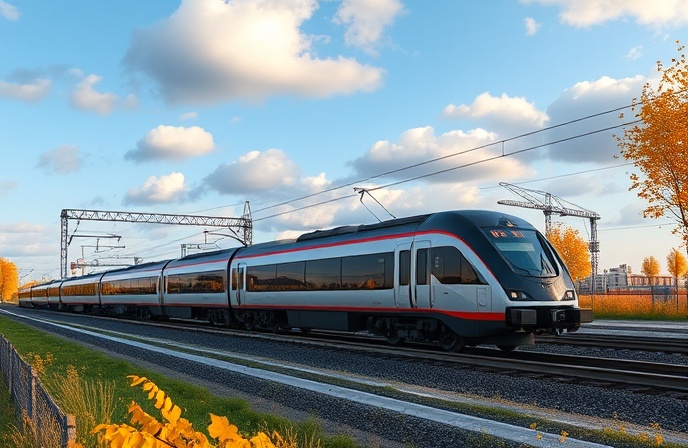
The Texas high-speed rail project adopts a “complete system approach,” mirroring the successful model of the Japanese Shinkansen. This approach prioritizes the seamless integration of all system components—from trains to infrastructure—to optimize performance, safety, and efficiency. Unlike traditional approaches where individual components are supplied by different vendors, this integrated approach ensures compatibility and interoperability, minimizing delays and potential malfunctions. Mass. Electric’s involvement is critical in achieving this integration by ensuring that the installed core systems are perfectly synchronized with other elements of the train system. The comprehensive nature of the system requires meticulous planning and coordination, demanding expertise in signaling, power distribution, communication networks, and their interaction.
Safety and Critical Infrastructure Elements
Safety is paramount in any high-speed rail system. The N700S Shinkansen is renowned for its exceptionally high safety record. Mass. Electric’s role in installing critical safety elements, including power systems, signaling systems, and communication infrastructure, underscores this commitment. These systems are not merely components; they are integrated elements contributing to the overall safety framework. For instance, the signaling system’s precision is crucial for maintaining safe distances between trains at high speeds, and the communication infrastructure ensures continuous monitoring and effective emergency response. The reliability of power systems is another essential factor, ensuring uninterrupted train operations and safety functions.
Project Partnerships and Long-Term Implications
The success of the Texas high-speed rail project relies heavily on strategic partnerships, illustrated by the collaborations with Mass. Electric, Resource Environmental Solutions (RES) for ecological considerations, and Renfe for train operations. Each partner brings unique expertise, contributing to the project’s holistic approach. Mass. Electric’s contribution underscores the importance of integrating experienced contractors early in the process, ensuring efficient construction and operational readiness. The integration of environmental considerations, as demonstrated through the partnership with RES, underlines a commitment to sustainability and responsible development. The collaboration with Renfe provides operational expertise and guarantees efficient train management. This integrated approach sets a precedent for future high-speed rail projects in the United States, demonstrating the potential for collaboration and innovation to overcome technical and logistical challenges.
Conclusions
The Texas high-speed rail project, with its adoption of the N700S Shinkansen technology and the “complete system approach,” represents a significant advancement in North American rail infrastructure. The early contractor involvement (ECI) agreement with Mass. Electric is a strategic move, ensuring efficient cost and schedule management while leveraging Mass. Electric’s expertise in installing critical safety and core systems. The project’s success hinges on the seamless integration of all system components, highlighting the importance of partnerships and a holistic approach encompassing engineering, environmental considerations, and operational expertise. The project’s ultimate impact extends beyond connecting Houston and North Texas; it establishes a model for future high-speed rail development across the United States. The meticulous planning, technological sophistication, and collaborative partnerships involved in this undertaking offer valuable lessons for future large-scale infrastructure projects, emphasizing the critical need for early engagement of specialized contractors, a focus on system integration, and a commitment to safety and sustainability. The project’s successful completion will not only improve transportation options but also demonstrate the viability and transformative potential of high-speed rail in the United States, potentially spurring further investments and advancements in this vital sector.
RELATED POSTS
October 17, 2020 11:49 pm
This article explores the successful early completion of critical track...
December 27, 2019 8:50 pm
This article explores the successful deployment of Alstom’s Citadis Dualis...
February 20, 2022 2:23 am
This article delves into the significant contract awarded for the...

October 3, 2007 2:09 pm
Nigerian towns, villages, seaports and airports will be linked by...
June 20, 2021 3:44 am
This article examines the recent contract awarded to CAF Group...
Stadler Polska marks a milestone: 1,000th rail vehicle, a next-gen...