
Taipei’s Automated Metro: A Technological Leap
Introduction
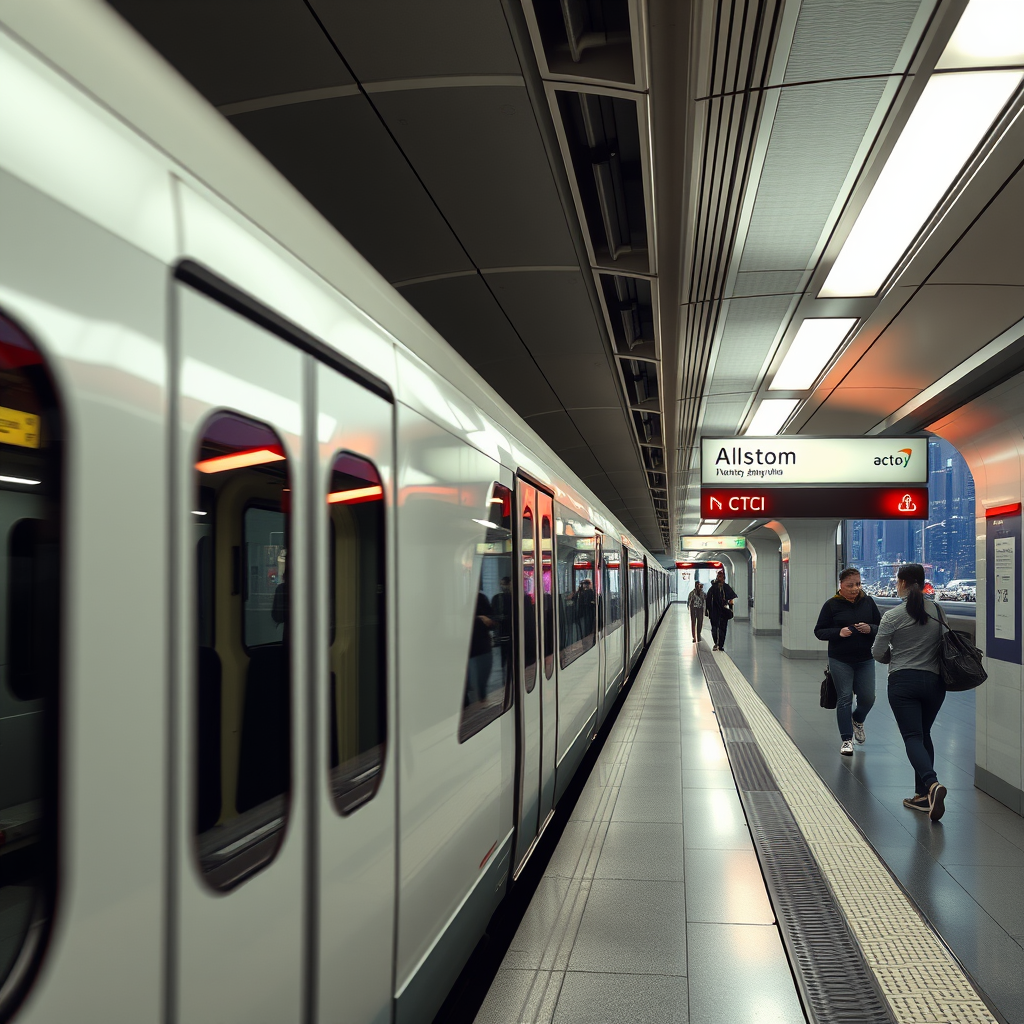
This article delves into the significant milestone achieved with the delivery of the first fully automated trainset for Taipei’s Wanda-Zhonghe-Shulin Line. The project, a collaboration between Alstom and CTCI, represents a substantial advancement in Taiwan’s public transportation infrastructure. The implementation of this advanced metro system, incorporating cutting-edge technologies like Communication Based Train Control (CBTC) and a comprehensive Supervisory Control and Data Acquisition (SCADA) system, promises to revolutionize urban mobility in the Taipei metropolitan area. We will explore the technological advancements incorporated, the project’s phases, the collaborative efforts involved, and the overall impact on the region’s transportation network and economic development. This analysis will provide insight into the complexities of implementing such large-scale automated metro systems and their potential to enhance urban living.
Technological Advancements in the Wanda-Zhonghe-Shulin Line
The heart of this project lies in its technological sophistication. Alstom’s Metropolis trainset, manufactured in Taubaté, Brazil, is fully automated, leveraging the Urbalis CBTC (Communication Based Train Control) driverless signaling system. This system enables precise train control and spacing, maximizing line capacity and efficiency. Coupled with the SCADA (Supervisory Control and Data Acquisition) system, operators have real-time monitoring and control capabilities over the entire network, ensuring safe and reliable operations. The integration of these systems represents a significant leap forward in railway automation, minimizing human error and maximizing operational efficiency. The inclusion of platform screen doors further enhances passenger safety and improves overall system reliability.
Project Phases and Collaborative Partnerships
The Wanda-Zhonghe-Shulin Line project was executed in two phases. Phase One, completed in 2018, covered 9.5km with nine stations. Phase Two, finalized in 2020, added 13.3km and 13 more stations, resulting in a total of 22.8km of medium-capacity metro line. This phased approach allowed for manageable implementation and reduced overall project risk. The project involved a significant collaborative effort between Alstom, CTCI, and the Systemwide E&M Project Office (SEMPO) of the Taipei City Government. Alstom provided the trainsets, CBTC system, and SCADA system, while CTCI was responsible for track work, power supply, depot equipment, telecommunication, and ticketing systems. This public-private partnership exemplifies the successful integration of expertise and resources in large-scale infrastructure projects.
Impact on Urban Mobility and Economic Growth
The Wanda-Zhonghe-Shulin Line is poised to significantly impact urban mobility in Taipei and New Taipei City. By reducing travel time by an estimated 30 minutes, it will improve connectivity between these two major urban centers. The line’s interconnectivity with four other lines enhances commuter convenience, facilitating seamless travel between different districts, including Zhonghe, Shulin, Tucheng, and Xinzhuang. Beyond improving daily commutes, the enhanced public transport infrastructure supports sustainable urban development by reducing reliance on private vehicles, mitigating traffic congestion, and promoting a greener environment. This improved connectivity will undoubtedly stimulate economic growth by facilitating better access to employment opportunities, educational institutions, and commercial centers across the region.
Conclusions
The delivery of the first fully automated trainset for Taipei’s Wanda-Zhonghe-Shulin Line signifies a major leap forward in Taiwan’s railway modernization. This project, a successful partnership between Alstom and CTCI, showcases the transformative potential of advanced technologies in urban transportation. The implementation of Urbalis CBTC and the SCADA system exemplifies a commitment to enhancing safety, efficiency, and reliability in public transportation. The phased rollout of the project, covering a total of 22.8km, demonstrates effective project management and highlights the advantages of a collaborative approach involving both public and private sectors. The positive impacts extend beyond improved connectivity and reduced travel times; the line contributes to sustainable urban development, economic growth, and enhanced quality of life for residents of Taipei and New Taipei City. The project serves as a compelling example of how cutting-edge railway technology can reshape urban landscapes, creating more efficient, sustainable, and interconnected communities. This successful implementation sets a high benchmark for future urban rail projects globally, highlighting the importance of integrating advanced technologies, collaborative partnerships, and a forward-thinking approach to urban planning. The Wanda-Zhonghe-Shulin Line is not just a metro line; it’s a testament to innovative engineering and a commitment to a brighter future for urban transportation.
RELATED POSTS

October 5, 2023 6:23 am
The Strategic Acquisition of a Major Railcar Portfolio by Amergin...
October 1, 2016 10:16 am
New Zealand's $1.4 billion rail investment includes significant upgrades, such...
March 8, 2023 8:03 am
This article explores the expansion of the Delhi Metro Rail...
July 25, 2025 12:33 am
Hitachi Rail partners with SYMCA for 15 years to modernize...
June 30, 2017 11:35 am
Here's a voiceover-friendly excerpt:**Modern rail transport is evolving, fueled by...

June 11, 2025 10:00 am
Sweco wins contract for Munich S-Bahn expansion, boosting rail capacity...