
Sydney Light Rail Safety: Tech & Ops for Enhanced Passenger Experience
Sydney light rail safety enhancements focus on improved protocols, infrastructure upgrades, and tech integration, boosting passenger confidence.
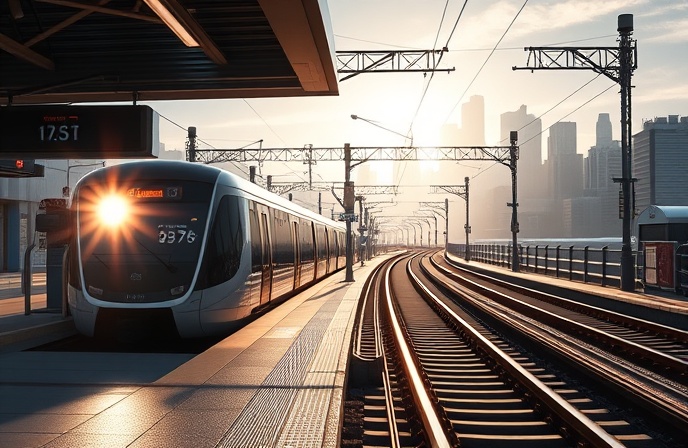
Sydney Light Rail Safety: A Deep Dive into Operational Improvements
The Sydney light rail network, a vital artery of public transport, has been the subject of scrutiny regarding passenger safety. From operational challenges to infrastructure considerations, the network has consistently worked on improving its systems. This article provides a comprehensive look at recent enhancements, focusing on the multifaceted approach to ensuring passenger safety, and the ongoing efforts to refine operational protocols. We’ll examine the core components influencing Sydney light rail safety, exploring technological advancements, infrastructure improvements, and policy adjustments designed to create a safer, more reliable travel experience for everyone using the network. This analysis aims to inform railway professionals and industry stakeholders about ongoing progress and key learnings in the complex area of urban light rail safety management.
Enhanced Safety Protocols: A Paradigm Shift
Recent years have witnessed a significant evolution in safety protocols. Transdev, the operator of the Sydney light rail network, has implemented a series of measures to proactively manage risk. These include enhanced training for drivers and staff, focusing on incident response, emergency management, and situational awareness. Advanced Driver Assistance Systems (ADAS) have been gradually incorporated into the light rail fleet, providing drivers with real-time alerts and warnings to mitigate potential hazards. Moreover, stringent pre-operational checks are now routine, ensuring all systems are functioning optimally before service commencement. These changes represent a shift from reactive to preventative safety management, aiming to minimize the likelihood of incidents.
Infrastructure Upgrades: Bolstering the Foundation for Safety
Infrastructure plays a crucial role in maintaining Sydney light rail safety. Ongoing infrastructure upgrades have focused on track maintenance, signaling improvements, and station enhancements. Track inspections are more frequent, utilizing advanced technologies to detect potential wear and tear before it escalates. Signaling systems are undergoing upgrades to improve train control and reduce the risk of collisions. Station upgrades include improved lighting, enhanced platform safety features, and better passenger information systems. This holistic approach to infrastructure management strengthens the foundation of safe operations, minimizing risks associated with track defects, signaling malfunctions, and inadequate station environments. These upgrades involve collaboration with Sydney-based and international railway infrastructure specialists, who bring expertise in specialized areas.
Technological Advancements and Predictive Maintenance
The integration of technology is at the forefront of improving Sydney light rail safety. Predictive maintenance programs are being implemented using data analytics and sensor technology. This allows for the real-time monitoring of critical components, such as wheels, brakes, and traction motors, enabling proactive maintenance and reducing the likelihood of failures during operation. The application of computer vision technology, coupled with CCTV cameras, is also under evaluation to help prevent and respond to incidents on board and in stations. This also allows operators to better assess incidents and plan for future improvements. The integration of advanced telecommunications systems improves communication and enables better co-ordination, increasing overall safety and efficiency.
Community Engagement and Public Awareness Campaigns
Public awareness campaigns and community engagement are an integral part of the strategy for maintaining and improving Sydney light rail safety. These campaigns focus on educating passengers about safe behaviors, such as waiting behind marked lines at stations, boarding and alighting safely, and being aware of their surroundings. Partnerships with local community groups and schools are an effective way of expanding the reach of these important safety messages. Furthermore, proactive engagement with public transport users provides valuable feedback, aiding the network in identifying potential safety concerns and refining operational practices, making the network safer for everyone.
Conclusion
The ongoing commitment to improving Sydney light rail safety reflects a comprehensive strategy encompassing enhanced protocols, infrastructure investment, and technological innovation. The network is working to foster an environment where safety remains the top priority. Key improvements include proactive risk management, advanced technological solutions, and extensive community engagement. These measures collectively contribute to improved operational efficiency, passenger confidence, and a safer overall experience for all users. Looking ahead, we can expect further advancements in areas such as automated incident detection, driverless train technology and enhanced passenger assistance systems. Further technological integration and more sophisticated data analysis, in tandem with community feedback and collaboration, will continue to reshape the landscape of light rail safety, establishing new benchmarks for urban transport systems worldwide.
RELATED POSTS

May 22, 2018 9:47 pm
Major railway players like Bombardier, Jacobs, and Alstom are driving...
January 20, 2018 10:47 pm
Revolutionize rail efficiency with predictive maintenance and advanced signaling. ...

July 17, 2025 12:33 am
CSX completes biggest military rail deployment in two decades, introducing...
July 24, 2025 4:33 pm
Hitachi Rail partners with SYMCA for 15-year Supertram modernization, boosting...
October 30, 2025 2:54 am
Hitachi Rail integrates NVIDIA's IGX Thor for its HMAX platform,...
January 1, 2018 12:34 am
High-speed rail is evolving! Discover how electric propulsion and...