
Sustainable Rail Ties: Sumitomo & Evertrak’s Green Revolution
Introduction
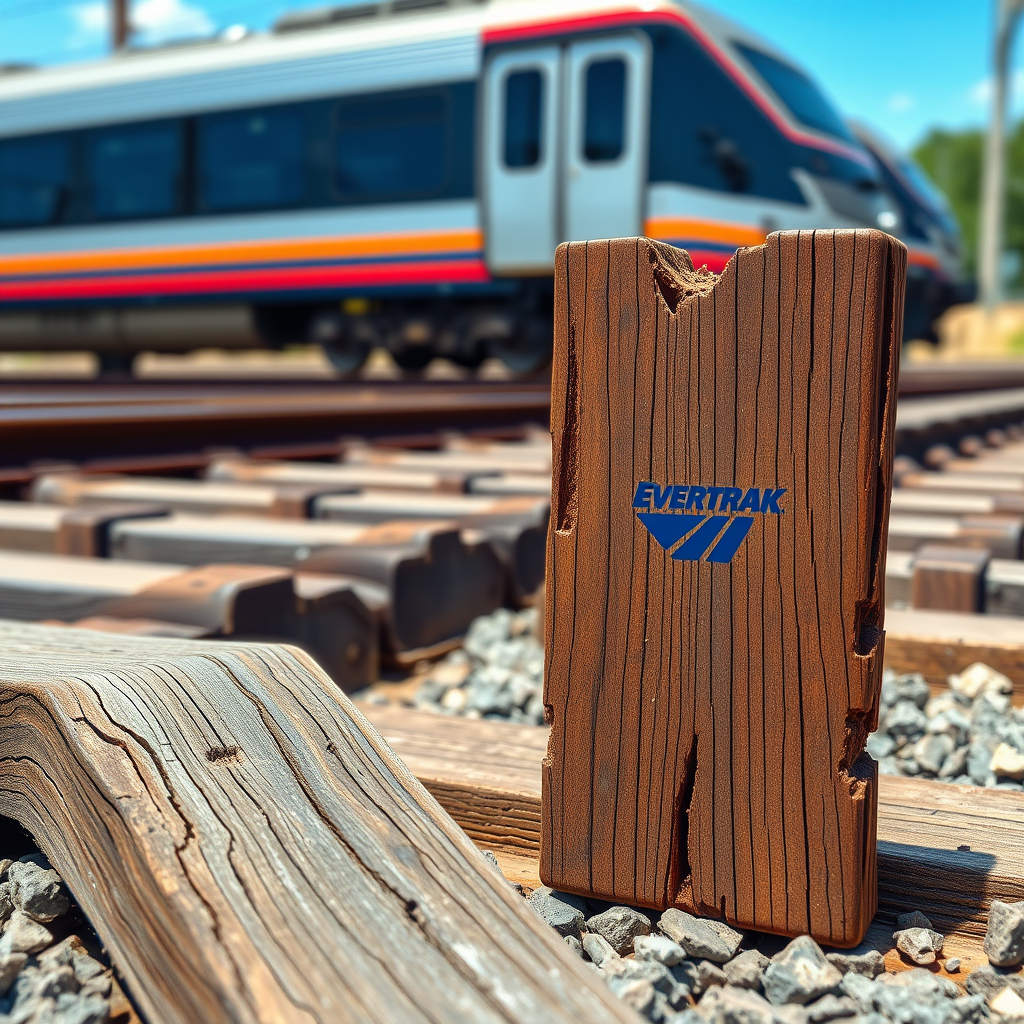
The North American railway industry faces a critical challenge: the rapid deterioration of traditional wooden railroad ties, particularly in high-decay zones characterized by warm, humid climates. This necessitates frequent and costly replacements, leading to significant environmental impact due to the disposal of large quantities of treated wood. This article explores Sumitomo Corporation’s strategic investment in Evertrak, a manufacturer of composite railroad ties made from recycled materials. This investment signifies a pivotal shift toward sustainable infrastructure solutions within the railway sector, addressing both environmental concerns and the long-term economic viability of railway operations. The analysis delves into the technical advantages of composite ties, the environmental benefits of their adoption, and the broader implications of this partnership for the future of North American railway infrastructure. We will explore the properties of GFRP (Glass Fiber Reinforced Polymer) ties, their lifecycle cost analysis compared to traditional wood ties, and the potential for widespread adoption of this innovative technology.
The Rise of Composite Railroad Ties
Traditional wooden railroad ties, while historically cost-effective, suffer from a limited lifespan, particularly in challenging environmental conditions. High-decay zones, common in the southeastern United States, accelerate the degradation of wood ties, leading to frequent replacement cycles and substantial maintenance costs. Evertrak’s GFRP composite ties offer a compelling alternative. Manufactured using recycled plastics and fiberglass, these ties boast significantly extended lifespans, estimated at up to 50 years, compared to the 8-12 year lifespan of wooden counterparts. This longevity translates to reduced maintenance expenditures and a considerable decrease in the volume of waste generated by the railway industry.
Environmental and Economic Advantages
The environmental benefits of Evertrak’s composite ties are significant. By utilizing recycled materials, these ties minimize the reliance on virgin resources and significantly reduce the carbon footprint associated with tie production and replacement. The extended lifespan further mitigates the environmental impact by reducing the frequency of manufacturing, transportation, and disposal processes. Economically, the increased longevity leads to lower lifecycle costs. While the initial investment might be higher than that of wooden ties, the long-term savings in maintenance and replacement costs make composite ties a financially attractive option, particularly in the long run, considering the reduced operational downtime from fewer track maintenance events.
Sumitomo’s Strategic Investment and its Implications
Sumitomo Corporation’s investment in Evertrak underscores the growing recognition of sustainable solutions within the railway industry. This strategic move aligns with Sumitomo’s broader commitment to environmentally responsible practices. The investment aims to expand Evertrak’s production capacity, ensuring the wider availability of these sustainable ties and accelerating their adoption throughout North America. This partnership leverages Sumitomo’s existing expertise in the railway sector, combining its established presence in rail infrastructure with Evertrak’s innovative technology to create a powerful force driving the industry towards a more sustainable future. This symbiotic relationship positions both companies for growth and solidifies their commitment to a greener railway system.
Conclusions
The collaboration between Sumitomo Corporation and Evertrak represents a significant step toward a more sustainable and economically viable North American railway system. The adoption of Evertrak’s GFRP composite railroad ties, manufactured from recycled materials, offers a compelling solution to the challenges posed by the short lifespan and environmental impact of traditional wooden ties. The extended lifespan of these composite ties—up to 50 years—significantly reduces maintenance costs and minimizes the environmental impact associated with frequent replacements. Sumitomo’s strategic investment is not only financially prudent but also demonstrates a commitment to environmentally responsible practices within the railway industry. This partnership paves the way for a wider adoption of sustainable infrastructure solutions, promising long-term economic benefits and reduced environmental impact. The increased production capacity resulting from this investment will ensure the availability of these innovative ties, fostering a significant positive change within the North American railway landscape. This move signifies a vital transition toward sustainable practices, impacting both economic and environmental sustainability in the railway sector, setting a precedent for the industry’s future development and reinforcing the importance of eco-conscious innovation in infrastructure development.
RELATED POSTS

March 20, 2017 1:12 am
"Network Rail's Todmorden Curve project revitalized rail connectivity, slashing journey...
December 2, 2021 6:24 pm
This article explores the significant long-term maintenance contract awarded to...

February 26, 2025 11:49 am
The burgeoning need for efficient and cost-effective freight transportation solutions...
May 4, 2025 6:31 pm
The Riedbahn Revitalization: A Case Study in German Rail Modernization...

August 26, 2010 10:50 am
Thailand’s Ch Karnchang has signed a contract to build a...
December 4, 2020 5:26 pm
Introduction This article delves into the significant undertaking of the...