
Riedbahn Revitalization: German Rail’s €1.3B Upgrade
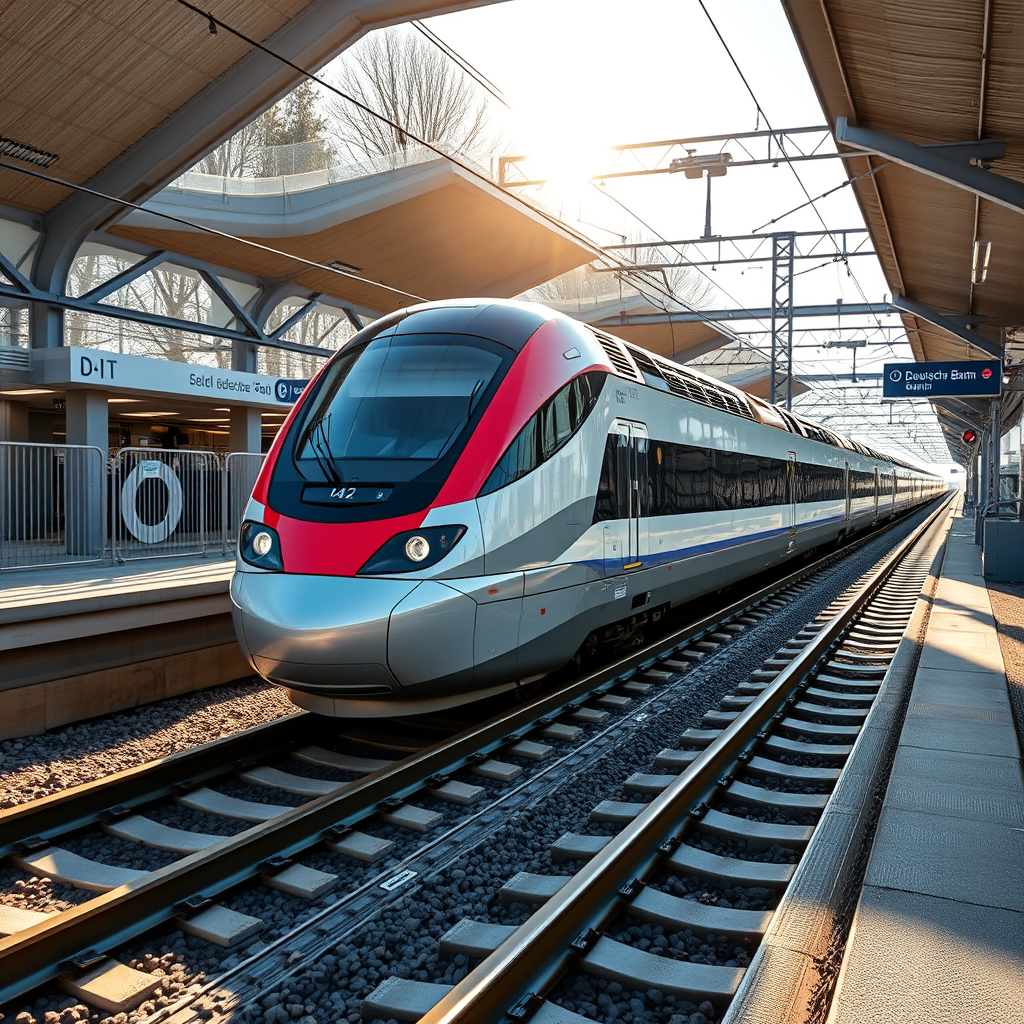
The Riedbahn Revitalization: A Case Study in German Rail Modernization
This article examines the significant renovation project undertaken by Deutsche Bahn (DB) on the Frankfurt-Mannheim line, also known as the Riedbahn. This crucial railway corridor, a vital artery for passenger and freight transport in Germany, suffers from chronic issues leading to frequent service disruptions. The project, commencing in July 2024 and scheduled for completion in late November, represents a substantial investment in modernizing German rail infrastructure and signifies a critical step towards addressing long-standing maintenance backlogs. The €1.3 billion (approximately $1.4 billion USD) project encompasses a wide range of improvements, from track and catenary system replacements to station upgrades and the implementation of advanced Intelligent Transportation Systems (ITS). The project’s success is not only crucial for the daily commuters and long-distance travelers but also holds significant implications for the future of German rail infrastructure and the national transport strategy as a whole. The project’s scale and ambition have garnered significant attention, with the Federal Minister of Transport highlighting the national importance of its successful execution.
Addressing Chronic Disruptions on a High-Traffic Corridor
The Riedbahn, characterized as “particularly prone to disruption,” necessitates extensive upgrades to ensure reliable service. The current project directly addresses this by replacing 117 kilometers of track and 140 kilometers of catenary lines (the overhead lines that power electric trains). This comprehensive overhaul aims to eliminate the need for frequent, smaller-scale maintenance interventions, leading to fewer service interruptions. The installation of 15 kilometers of noise barriers demonstrates a commitment to improving the environmental impact of the railway. Moreover, the modernization of signaling and safety equipment will further enhance operational efficiency and safety, contributing to a more reliable and dependable rail network.
Passenger-Focused Improvements and Accessibility Enhancements
Beyond track and signaling improvements, the project prioritizes the passenger experience. The renovation includes upgrades to 20 stations along the line, focusing on improved accessibility and passenger comfort. This involves installing new ramps and elevators to ensure compliance with accessibility regulations. The stations will also benefit from modernized passenger information systems and aesthetically improved areas like underpasses, creating a more welcoming and user-friendly environment. The introduction of a new fleet of replacement buses during the five-month closure demonstrates a commitment to minimizing disruption for commuters and ensuring alternative transport options are readily available. This holistic approach to improvement demonstrates DB’s commitment to improving the overall travel experience.
A National Significance and Investment in the Future
The scale of the Riedbahn project is significant, not only in terms of financial investment but also in its symbolic importance for the future of German rail. The Federal Minister of Transport, Volker Wissing, has emphasized the project’s national significance and the high expectations placed upon DB to deliver. The project serves as a benchmark for future infrastructure modernization across the entire German rail network. The successful completion of the Riedbahn renovation will provide a model for tackling the extensive backlog of maintenance work that has plagued the German rail system. The €1.3 billion investment represents a significant commitment to improving the efficiency, reliability, and sustainability of the country’s rail infrastructure.
Conclusion: A Paradigm Shift for German Rail Infrastructure
The Riedbahn revitalization project represents a pivotal moment for Deutsche Bahn and German rail infrastructure as a whole. The project’s €1.3 billion investment reflects a serious commitment to tackling decades of deferred maintenance on one of Germany’s busiest rail lines. The comprehensive scope of the work – encompassing track and catenary replacement, signaling upgrades, noise barrier installation, and station renovations – aims to create a significantly improved and more reliable rail service for passengers and freight operators. The focus on passenger accessibility and experience through station upgrades is equally important, demonstrating a commitment to improving the overall quality of travel. The project’s success hinges on meticulous planning and execution, but if successful, it will serve as a crucial stepping stone in addressing the broader challenges facing the German rail network. The five-month closure, while disruptive, is a necessary step toward a long-term improvement, reducing future disruptions and paving the way for a more efficient, reliable, and sustainable national railway system. The high-profile nature of this project, and the public attention it has garnered, underscores the vital role of rail transport in Germany’s future, and the determination to create a robust and effective network for generations to come. The success or failure of the project will serve as a bellwether for future infrastructure investments and modernization efforts across the country, impacting not only passenger travel but also the efficiency of the nation’s freight transportation system. The ongoing monitoring of the project’s progress and post-completion performance will be essential in assessing its long-term impact and shaping future rail modernization strategies.
RELATED POSTS

November 29, 2021 9:48 pm
This article explores the collaboration between Thales and One Silicon...
October 22, 2016 5:29 am
"The Port of Rotterdam is pioneering **fibre-optic sensing technology** on...
May 27, 2025 6:27 pm
MxV Rail Expands Laboratory Capabilities for Rail Component Testing Pueblo,...
October 28, 2025 6:54 pm
The Dallas Silver Line **regional rail** service connecting Plano to...

August 18, 2010 10:36 am
Kenya Railways (KRC) could issue bonds to raise funds for...

December 14, 2016 7:54 pm
Alstom, the Auvergne Rhône-Alpes region and SNCF inaugurated the first...