
Styrian Western Railway Electrification: Austria Rail Upgrade
Austria’s Styrian Western Railway electrification project boosts regional connectivity and sustainability, replacing diesel with electric trains.
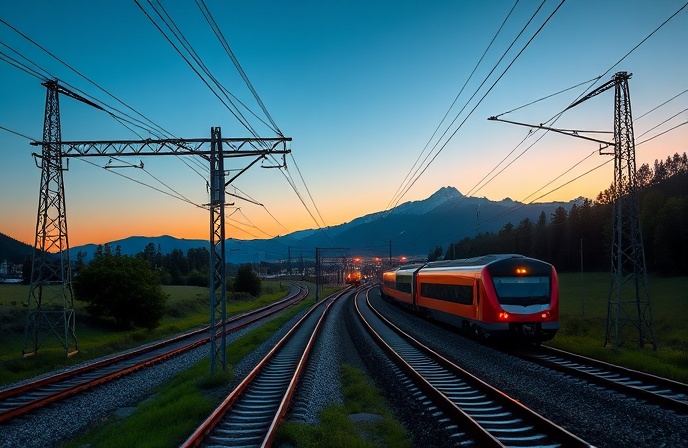
Electrifying Progress: Unveiling the Styrian Western Railway Electrification Project
The Austrian railway landscape is undergoing a significant transformation, with a focus on sustainable transport solutions and modernizing its infrastructure. A key project driving this change is the Styrian Western Railway electrification, a vital undertaking that promises to enhance efficiency, reduce emissions, and boost regional connectivity. This ambitious project, currently underway, involves the electrification of a critical section of the railway line, connecting key cities and industrial areas within the Styria region. Why is this project so important, and how will it shape the future of rail travel? This article delves into the specifics of the Styrian Western Railway electrification, examining its technical aspects, industry impacts, and long-term benefits for stakeholders across the railway sector and beyond.
Boosting Regional Connectivity: The Strategic Significance
The Styrian Western Railway (Westbahn) is a critical artery for both passenger and freight transport in Austria. Its electrification is a strategically important project, connecting major economic hubs and facilitating the movement of goods and people throughout the region. The electrification project aims to replace diesel-powered trains with electric trains, significantly reducing carbon emissions and promoting a greener transportation option. This shift aligns with Austria’s national climate goals and its commitment to sustainable development. Electrification will allow for faster travel times due to improved acceleration and braking capabilities of electric locomotives. Moreover, the project will contribute to improving the overall capacity of the line by enabling a greater frequency of trains. This enhancement to infrastructure will promote economic activity and improve the quality of life for those reliant on the Westbahn.
Engineering Challenges and Technological Advancements
Implementing the Styrian Western Railway electrification involves several significant engineering challenges. These include the construction of overhead catenary systems (OCS), upgrading existing substations to provide sufficient power, and ensuring compatibility with the existing signaling and control systems. The OCS will require the installation of overhead wires, supporting structures, and insulators, demanding precise engineering and meticulous planning. To address these complexities, innovative technologies are being employed. For example, advanced overhead line equipment (OLE) designs are being used to optimize energy efficiency and minimize maintenance requirements. Furthermore, sophisticated power management systems are being implemented to ensure a stable and reliable power supply throughout the electrified section. The integration of these advancements showcases the railway industry’s dedication to modern solutions.
Impact on Freight Transport and Logistics
The Styrian Western Railway electrification is poised to have a substantial impact on freight transport and logistics within the region. Electrification will make freight transport more cost-effective and environmentally friendly. Electric locomotives offer greater efficiency compared to their diesel counterparts. This translates to reduced operational expenses for freight operators. Electrification reduces reliance on fossil fuels, reducing greenhouse gas emissions from freight operations. The project also supports the shift towards a more sustainable logistics ecosystem, attracting businesses seeking cleaner supply chain solutions. Additionally, faster and more reliable electrified services will enhance the competitiveness of rail freight, potentially attracting more cargo from road transport, thereby reducing congestion on highways and improving overall transport efficiency across Styria and beyond.
Industry Collaboration and Stakeholder Benefits
The success of the Styrian Western Railway electrification project hinges on effective collaboration among various stakeholders. This includes railway operators, infrastructure providers, engineering firms, and regulatory bodies. Such collaboration ensures a coordinated approach to project implementation, facilitating the efficient deployment of resources and expertise. The project will create numerous job opportunities in construction, engineering, and related fields, stimulating economic growth within the region. Furthermore, the benefits of electrification extend to passengers. They will experience improved comfort, reduced travel times, and a more sustainable mode of transport. Improved reliability and reduced operating costs of the rail network will translate into greater efficiency for both passenger and freight services.
Conclusion
The Styrian Western Railway electrification is a transformative project with profound implications for Austria’s railway infrastructure and the wider transportation sector. By electrifying a key section of the Westbahn, the project enhances regional connectivity, boosts freight transport efficiency, and contributes to a cleaner, more sustainable transportation system. The use of advanced technologies and a collaborative approach among industry stakeholders ensure a successful project. The shift to electric-powered railways demonstrates a commitment to reducing emissions and promoting a more environmentally friendly approach to transport. Looking ahead, the success of this electrification project will serve as a model for future rail infrastructure upgrades, paving the way for further electrification initiatives across the Austrian rail network and beyond, leading to continued innovation and growth within the railway industry.
RELATED POSTS

November 15, 2009 10:44 am
Construction has begun on the first phase of a new...

May 23, 2017 9:28 am
Alstom's ATO on Paris' RER A line: 56 trains now...

November 20, 2025 5:54 pm
Knorr-Bremse to supply VTG Rail UK with 2,000 digital wagon...
October 9, 2025 9:54 pm
Here are a few options:1. RailWorks Corp. names Jim...
October 29, 2025 4:54 pm
Beaulieu Park Station, a new **railway** station in North Chelmsford,...

June 4, 2025 12:01 pm
Estonian Railways is electrifying the Tartu line! This EUR 500...