
Siemens Expands Dortmund Rail Depot: €150M Investment, 250 Jobs
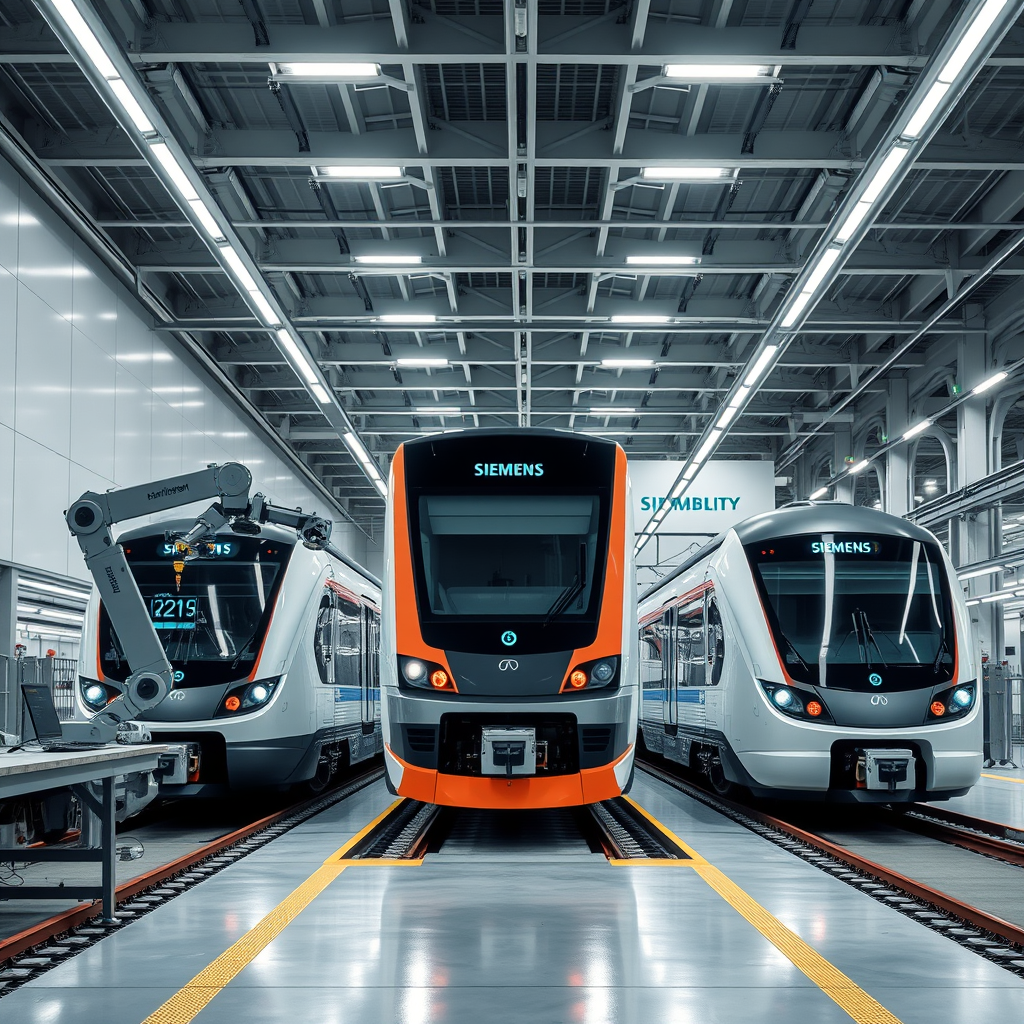
Siemens Mobility’s Strategic Expansion of its Dortmund Depot: A Case Study in Rail Infrastructure Development
This article examines Siemens Mobility’s significant €150 million ($161 million) investment in expanding its service depot in Dortmund-Eving, Germany. This expansion represents a strategic move to address the growing demand for rail maintenance services in the region and underscores the company’s commitment to technological advancement within the rail industry. The expansion project, detailed below, demonstrates a proactive approach to meeting the evolving needs of the European rail market, highlighting crucial aspects of modern rail depot design, operational efficiency, and the importance of skilled labor in a digitally-driven environment. The Dortmund depot, with its innovative digital infrastructure, serves as a compelling example for future rail infrastructure developments, emphasizing the integration of advanced technologies and sustainable practices within the broader context of European rail modernization.
Capacity Expansion and Enhanced Service Capabilities
The expansion project significantly increases the depot’s footprint from 70,000m² to 157,550m² over two years. This substantial increase in physical space directly translates to a greater capacity for servicing a wider range of rolling stock (trains and other railway vehicles). The new facilities will include a state-of-the-art service hall equipped to handle the maintenance of trains up to 400 meters in length, accommodating larger and more diverse train types than previously possible. This expansion allows Siemens Mobility to cater to a broader customer base, beyond the current focus on the local Rhein Ruhr Express fleet, and strengthens its competitive position within the European rail market. The increased capacity also allows for greater operational flexibility, reducing potential bottlenecks and ensuring timely maintenance for its clients.
Technological Advancement and Digitalization
Siemens Mobility’s investment is not merely about increasing physical space; it also heavily emphasizes technological advancement and digitalization. The Dortmund depot, already a pioneer in digital rail maintenance since its 2018 opening, will further leverage its digital infrastructure. The integration of the Siemens Railigent X system (a predictive maintenance system utilizing data analytics) allows for proactive fault detection and preventative maintenance, minimizing downtime and optimizing maintenance schedules. This intelligent approach to maintenance reduces operational costs for Siemens Mobility’s clients and enhances the overall efficiency of the rail network. The expansion further integrates this digital infrastructure into the new facilities, ensuring seamless data flow and operational continuity.
Job Creation and Regional Economic Impact
The expansion project will create approximately 250 highly skilled jobs at the new service center, which is scheduled to open in 2026. This significant contribution to regional employment underscores the socio-economic benefits of investing in modern rail infrastructure. The creation of these high-quality jobs boosts the local economy and contributes to the development of a skilled workforce within the rail industry. Furthermore, it strengthens Siemens Mobility’s regional presence and fosters collaboration with local communities and educational institutions, potentially leading to increased training and development opportunities.
Strategic Investment in the German Rail Network
Siemens Mobility’s Dortmund depot expansion reflects a broader trend of strategic investments in rail maintenance infrastructure across Germany. This investment builds on previous initiatives, such as the opening of a new battery-powered train depot in Offenburg in 2023. This consistent investment strategy demonstrates Siemens Mobility’s confidence in the future of the German rail sector and its commitment to supporting the country’s ongoing modernization efforts. The expansion of the Dortmund depot is not an isolated incident but rather a significant piece of a larger puzzle aimed at enhancing the efficiency, reliability, and overall performance of Germany’s rail network, solidifying Siemens Mobility’s position as a major player within the European rail infrastructure landscape. This strategic approach ensures the company is well-positioned to meet the increasing demand for rail services driven by factors such as population growth, urbanization, and a greater focus on sustainable transportation.
Conclusion
Siemens Mobility’s €150 million investment in its Dortmund-Eving depot signifies a significant commitment to the future of rail infrastructure in Germany and Europe. The expansion project goes beyond simply increasing capacity; it represents a strategic investment in cutting-edge technology, skilled labor, and sustainable practices. The integration of the Siemens Railigent X system showcases the company’s forward-thinking approach to predictive maintenance and operational efficiency, minimizing downtime and optimizing resource allocation. The creation of approximately 250 new jobs highlights the positive socio-economic impact of such projects, boosting the local economy and contributing to the development of a highly skilled workforce within the rail sector. This investment also positions Siemens Mobility strategically to capitalize on the growing demand for rail services within the region and beyond, reinforcing its status as a major player in the European rail market. The Dortmund depot expansion serves as a compelling case study, demonstrating how significant investment in rail infrastructure can drive innovation, enhance operational efficiency, contribute to regional economic growth, and ultimately contribute to a more sustainable and reliable rail transportation system. Furthermore, this project emphasizes the crucial intersection between technological advancement, strategic planning, and human capital in the ongoing evolution of the rail industry.
RELATED POSTS

May 30, 2025 5:00 am
Wabtec ES43ACi Locomotive Unveiled for Simandou Iron Ore Project The...

May 9, 2022 12:44 am
This article examines a significant investment by the European Commission...

February 16, 2025 2:55 pm
The United States Department of Transportation (DOT), through its Federal...
October 15, 2019 9:05 am
This article examines the significant infrastructure upgrade underway on the...
September 25, 2018 9:33 am
Alstom's €280 million contract delivers 150 cutting-edge Metropolis metro cars...
August 29, 2019 1:01 pm
This article explores the retirement of the first Pacer train...