
Siemens Electrifies Himalayan Rail: Sikkim Connectivity & Sustainable Tech
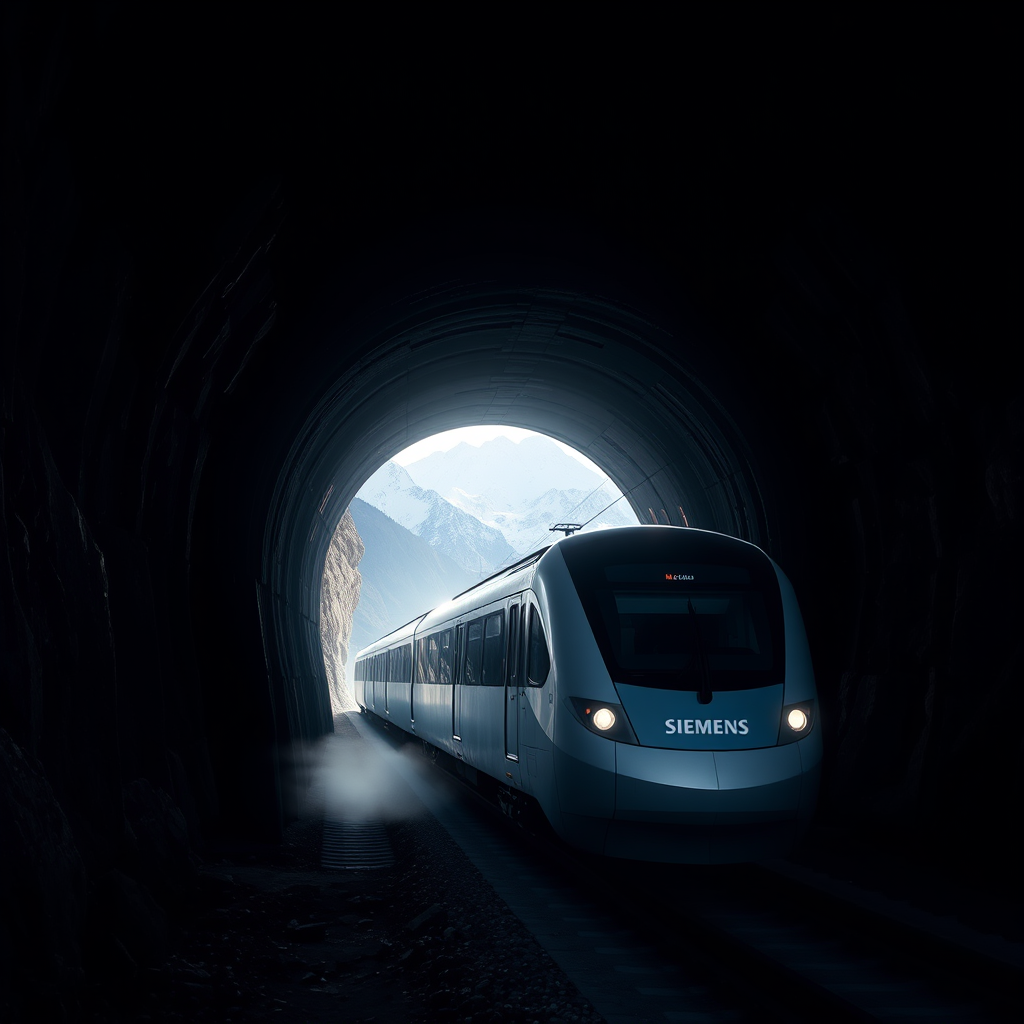
This article examines the significant contract awarded to Siemens Mobility for the electrification of the Sivok-Rangpo rail line in India. This project represents a substantial undertaking, not only in terms of its financial scale (Rs2.1bn, approximately $24.3m) but also due to the complex geographical challenges presented by the Himalayan terrain. The electrification of this line marks a critical step in connecting Sikkim to the national rail grid, enhancing regional connectivity and economic development. The project’s focus on sustainable technologies, including advanced overhead catenary systems (OCS) and sophisticated Supervisory Control and Data Acquisition (SCADA) systems, highlights a modern approach to railway infrastructure development. Furthermore, the inclusion of predictive maintenance strategies signifies a commitment to operational efficiency and long-term cost savings. This case study allows us to explore the technological advancements and logistical complexities involved in electrifying rail lines in challenging environments, setting a precedent for future projects in similar terrains worldwide.
Sustainable Rail Technologies in Challenging Terrain
The Sivok-Rangpo railway line presents unique challenges due to its location in the Himalayas. The extensive tunneling, comprising 86% of the 44km line, with the longest tunnel stretching 5.3km, necessitates robust and reliable electrification solutions. Siemens Mobility’s proposed use of a rigid overhead catenary system (OCS) is particularly crucial in these tunnels. Unlike flexible OCS, the rigid system offers superior stability and durability in the confined and potentially unstable environments of long tunnels. This choice minimizes the risk of damage and ensures consistent power supply, enhancing safety and operational reliability. The integration of SCADA (Supervisory Control and Data Acquisition) systems for centralized control further optimizes performance and reduces maintenance needs.
Predictive Maintenance and Operational Efficiency
The incorporation of predictive maintenance is a key element of the project’s sustainability strategy. By leveraging data analytics and advanced sensors, Siemens Mobility aims to anticipate potential equipment failures and schedule maintenance proactively. This approach minimizes downtime, reduces unexpected repair costs, and extends the lifespan of the electrification infrastructure. This is particularly vital in a challenging environment where access for repairs may be difficult and time-consuming. This proactive approach to maintenance not only enhances efficiency but also minimizes environmental impact by reducing the need for reactive and potentially disruptive maintenance interventions.
Strategic Importance and Regional Development
The electrification of the Sivok-Rangpo line is of significant strategic importance to India. It connects Sikkim, a geographically isolated state, to the national rail network, fostering improved connectivity and economic growth. The project’s impact extends beyond transportation, stimulating regional development by facilitating the movement of goods and people. This improved infrastructure will undoubtedly contribute to the growth of tourism, trade, and other economic activities within Sikkim and the broader North Eastern region. The choice of Siemens Mobility, a global leader in rail technology, underscores the importance of this project and the high standards being set for its execution.
Siemens Mobility’s Expanding Global Footprint
The Sivok-Rangpo contract further solidifies Siemens Mobility’s position as a leading provider of railway electrification solutions. The company’s prior success in electrifying the Udhampur Srinagar-Baramulla Rail Link in Kashmir demonstrates its expertise in handling complex projects in challenging terrains. This experience, combined with its commitment to sustainable technologies, positions Siemens Mobility favorably for future projects globally. The concurrent contracts in Thailand, for both urban rapid transit and intercity rail, highlight the company’s broad range of capabilities and its expanding global presence. This diversification into various rail projects worldwide reinforces its leadership in the industry and its ability to adapt to diverse geographical and technological demands.
Conclusions
The Siemens Mobility contract for the electrification of the Sivok-Rangpo rail line in India represents a significant advancement in sustainable railway infrastructure development. The project’s success hinges on the strategic implementation of advanced technologies, including rigid overhead catenary systems optimized for tunnel environments, sophisticated SCADA systems for centralized control, and a proactive predictive maintenance strategy. These technologies are not merely cost-effective; they are crucial for ensuring the long-term reliability and operational efficiency of the line within the challenging Himalayan terrain. The project’s broader impact extends beyond the technical aspects. By connecting Sikkim to the national rail network, it fosters regional economic development, improves connectivity, and strengthens India’s strategic infrastructure. The project serves as a compelling example of how sustainable technologies can be effectively deployed in complex geographical contexts, and Siemens Mobility’s involvement underlines its commitment to delivering innovative and environmentally conscious solutions to the global railway industry. The successful completion of this project sets a new benchmark for railway electrification in challenging terrains, offering valuable lessons and best practices that can be applied to similar projects around the world, particularly in mountainous regions. Siemens Mobility’s ongoing successes in diverse markets, from the Himalayas to the urban landscapes of Bangkok, illustrate the versatility and adaptability of its technological solutions and underscore its prominent role in shaping the future of global rail transportation.
RELATED POSTS

July 22, 2025 10:33 am
Naples-Bari high-speed rail project advances with Casalnuovo Tunnel completion. ...

On November 8 in St. Petersburg, the annual meeting between...

February 8, 2013 11:00 am
Škoda Electric, a subsidiary of Škoda Transportation, signed contract with...
CSX and SPC launch a new blending plant in North...
March 18, 2025 8:45 pm
This article explores the significant milestone achieved on the Great...

January 27, 2017 9:26 am
**Heathrow Express excelled! The November 2023 Transport Focus survey shows...