
Rome’s €130M Tram Deal: CAF’s Urbos Triumph
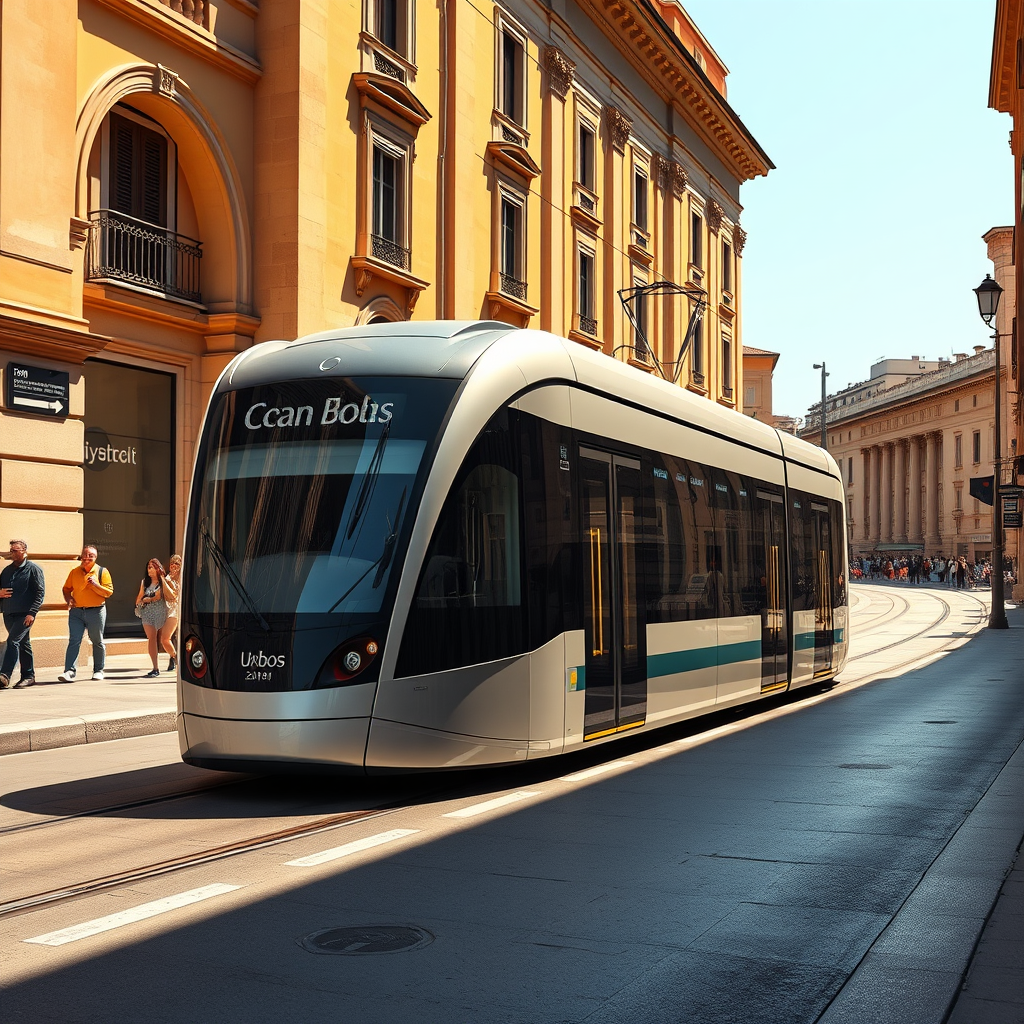
This article examines the significant €130 million contract awarded to Construcciones y Auxiliar de Ferrocarriles (CAF) (a Spanish rolling stock manufacturer) by ATAC S.p.A. for the supply of 40 new trams to Rome, Italy. This contract represents a substantial investment in upgrading Rome’s public transportation infrastructure and highlights the growing importance of sustainable urban mobility solutions. The deal encompasses not only the design and manufacturing of the trams themselves, but also a five-year maintenance agreement, with an option for a significant expansion of the order. We will delve into the specifics of the contract, the technological advancements incorporated into the new trams, CAF’s strategic position in the Italian market, and the broader implications of this project for urban transit planning and sustainable transportation initiatives. This analysis will explore the economic, technological, and environmental aspects of this major public transport procurement.
The CAF-ATAC Contract: Details and Significance
The core of the agreement involves the provision of 40 Urbos trams, a CAF design known for its modularity and flexibility. These trams will feature a 100% low floor design, ensuring accessibility for all passengers, and will be available in various widths (2300 mm, 2400 mm, and 2500 mm) to optimize operational efficiency across Rome’s diverse tram network. A crucial aspect is the inclusion of five modules per tram, one of which is designed to accommodate an On-Board Energy Storage System (OESS) for potential future operation on sections of track without overhead lines (catenary). This forward-thinking design anticipates future needs and allows for greater operational flexibility. The total value of the base contract is €130 million (approximately $142 million), with the potential to reach over €400 million should ATAC S.p.A. exercise the option to purchase an additional 81 trams.
CAF’s Strategic Position in the Italian Market
This contract solidifies CAF’s prominent role in the Italian railway market. The company’s statement highlights its long-standing commitment to sustainable transport in Italy, particularly in Rome, where it has collaborated with Roma Capitale for over two decades. CAF’s previous successes, including the supply of 71 metro units currently operational on Rome’s A, B, and Roma-Lido lines, demonstrate its proven ability to meet stringent operational reliability and availability standards. The Rome tram contract builds upon CAF’s recent successes in Palermo and Naples, further strengthening its position as a key player in Italy’s urban transport modernization efforts.
Technological Advancements in the Urbos Tram
The Urbos tram embodies several technological advancements crucial for modern urban transit. The modular design allows for efficient manufacturing, maintenance, and customization to suit specific operational requirements. The 100% low-floor configuration ensures accessibility, enhancing inclusivity and passenger comfort. Furthermore, the provision for future OESS integration signifies a forward-looking approach, enabling the trams to operate independently of the overhead catenary system, potentially reducing reliance on costly and visually obstructive infrastructure in certain areas. This flexibility enhances operational resilience and can help reduce the environmental impact of the system.
Sustainable Transportation and Urban Development
The Rome tram project aligns directly with global efforts towards sustainable urban development. The shift toward electric-powered trams significantly reduces greenhouse gas emissions compared to traditional bus systems or private vehicles, contributing to cleaner air and a healthier urban environment. The investment in new rolling stock represents a commitment to improved public transportation, potentially reducing traffic congestion and promoting a more efficient and environmentally friendly urban mobility system. The long-term maintenance agreement further demonstrates a commitment to long-term sustainability, ensuring the trams remain operational and reliable for years to come.
Conclusions
The €130 million contract awarded to CAF for the supply of 40 new trams to Rome signifies a substantial investment in upgrading the city’s public transportation infrastructure and represents a commitment to sustainable urban development. The contract’s details, including the modular design of the Urbos trams, the provision for future OESS integration, and the long-term maintenance agreement, highlight a focus on both immediate operational improvements and long-term sustainability. CAF’s successful track record in the Italian market, combined with the technological advancements embedded in the Urbos trams, positions this project as a model for other cities seeking to modernize their public transit systems. The potential expansion of the contract to over €400 million further underscores the significance of this project, emphasizing the growing demand for sustainable and efficient urban transportation solutions. The success of this project will not only improve Rome’s public transport but also serve as a benchmark for other cities seeking to enhance their urban mobility infrastructure. This contract’s emphasis on accessibility, sustainability, and technological innovation marks a significant step forward in the evolution of urban transit globally, demonstrating that investing in advanced public transport systems is crucial for building sustainable and livable cities of the future. The project’s long-term implications for Rome’s urban environment and overall quality of life are significant, and the success of this project is likely to inspire similar initiatives in other urban centers worldwide.