
Rochelle Intermodal: Rail Hub Efficiency for US Freight & Supply Chains
Rochelle Intermodal Transload Center boosts Midwest rail freight efficiency, connecting Class I and shortline railroads. Strategic location and advanced transloading services drive supply chain optimization.
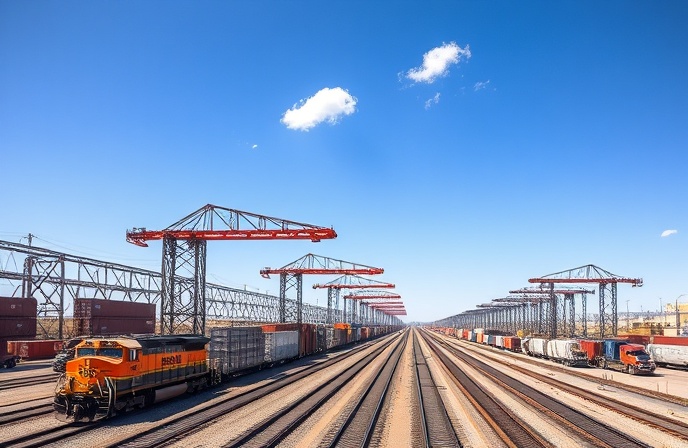
Rochelle Intermodal Transload Center: A Hub of Efficiency for Midwestern Rail Freight
The beating heart of America’s freight network, the railway, continues to evolve, with efficiency and capacity at its core. One shining example of this evolution is the Rochelle Intermodal Transload Center, a strategically positioned facility in Rochelle, Illinois. This vital hub, serving both Class I and shortline railroads, facilitates the seamless transfer of goods between rail, truck, and warehousing. Who relies on this facility? What commodities move through it? When did this become a significant player in freight movement, where is the center located, why is it vital, and how does it function? This article delves into the inner workings of the Rochelle Intermodal Transload Center, examining its crucial role in supporting supply chains and the overall health of the nation’s freight economy. Our focus is on demonstrating its importance to the railway industry, highlighting its operational strengths, and looking towards its future.
Strategic Advantage: Rochelle’s Location and Network Connectivity
The success of the Rochelle Intermodal Transload Center is intrinsically linked to its prime location. Situated at the intersection of the BNSF Railway’s mainline and the Union Pacific Railroad’s (UP) line, it offers unparalleled access to a vast network. This critical positioning allows for quick and efficient transfers of a wide range of commodities, from consumer goods to agricultural products. The facility’s proximity to major highways, including I-88 and I-39, further enhances its accessibility, enabling swift distribution across the Midwest and beyond. This network connectivity is paramount for meeting the demands of just-in-time logistics and minimizing transit times for shippers utilizing the Rochelle Intermodal Transload Center.
Operational Capabilities: Transloading Expertise and Infrastructure
The Rochelle Intermodal Transload Center boasts state-of-the-art equipment and specialized services crucial for efficient transloading. These include:
- Dedicated railcar unloading and loading tracks.
- Large-scale warehousing and storage facilities, some climate-controlled.
- Experienced personnel skilled in handling various cargo types.
- A comprehensive suite of transloading services, including bulk and packaged goods.
The facility’s advanced infrastructure is meticulously designed to expedite the movement of freight, reduce bottlenecks, and minimize turnaround times. This streamlined process translates into significant cost savings for shippers and a more fluid supply chain. The center handles everything from grain to plastics, ensuring minimal dwell times and maximised car velocity.
The Economic Impact: Boosting Local and Regional Economies
Beyond its direct impact on transportation efficiency, the Rochelle Intermodal Transload Center plays a significant role in driving economic growth. By attracting businesses, creating jobs, and increasing tax revenue, the center contributes substantially to the local and regional economies. The presence of a robust intermodal facility fosters a positive business environment, encouraging investment and expansion. The facility also supports a diverse ecosystem of related businesses, including trucking companies, warehousing operators, and logistics providers. These ancillary businesses all depend upon the efficiency of the Rochelle Intermodal Transload Center.
Sustainability Initiatives: Reducing Environmental Footprint
The railway industry is increasingly focused on sustainability, and the Rochelle Intermodal Transload Center exemplifies this commitment. By facilitating the shift from long-haul trucking to rail transport, the center contributes to a reduction in greenhouse gas emissions. Furthermore, the facility employs environmentally friendly practices, such as:
- Investing in energy-efficient equipment.
- Implementing waste reduction and recycling programs.
- Optimizing operations to minimize fuel consumption.
These proactive measures demonstrate a dedication to environmental stewardship and contribute to a more sustainable freight transportation system.
Conclusion
The Rochelle Intermodal Transload Center is a critical asset for the North American rail network, and its strategic importance will only increase in the future. Its unique combination of location, operational capabilities, and economic impact makes it a model for other intermodal facilities. The facility serves as a cornerstone in maintaining and improving supply chains, making it an indispensable hub. The trend toward increased intermodal transportation suggests continued growth for facilities like the Rochelle Intermodal Transload Center. Innovation and investment in infrastructure will be crucial for staying ahead of the freight demands of the twenty-first century. The continued success of the Rochelle Intermodal Transload Center will depend on its ability to adapt and embrace new technologies, further solidifying its role as a vital link in the freight transportation ecosystem. This will inevitably contribute to the sustainable future of the railways.
RELATED POSTS

December 25, 2015 9:34 pm
Germany is seeking economic cooperation with Russia, offering 2 billion...

February 3, 2017 4:21 am
Here's a voiceover-friendly excerpt for railway professionals:"The Port of Long...

March 7, 2025 5:46 pm
Amtrak’s Ambitious Growth Strategy: Doubling Ridership by 2040 This article...
February 23, 2018 5:33 am
Global rail's booming! From Deutsche Bahn's bond issue to...
September 9, 2017 1:39 am
The HICL HS1 acquisition promises major operational efficiency gains for...
U.S. **rail traffic** declined 3.9% in the week ending Nov....