
ÖBB’s Drone Revolution: Rail Safety, Efficiency, & Innovation
Introduction
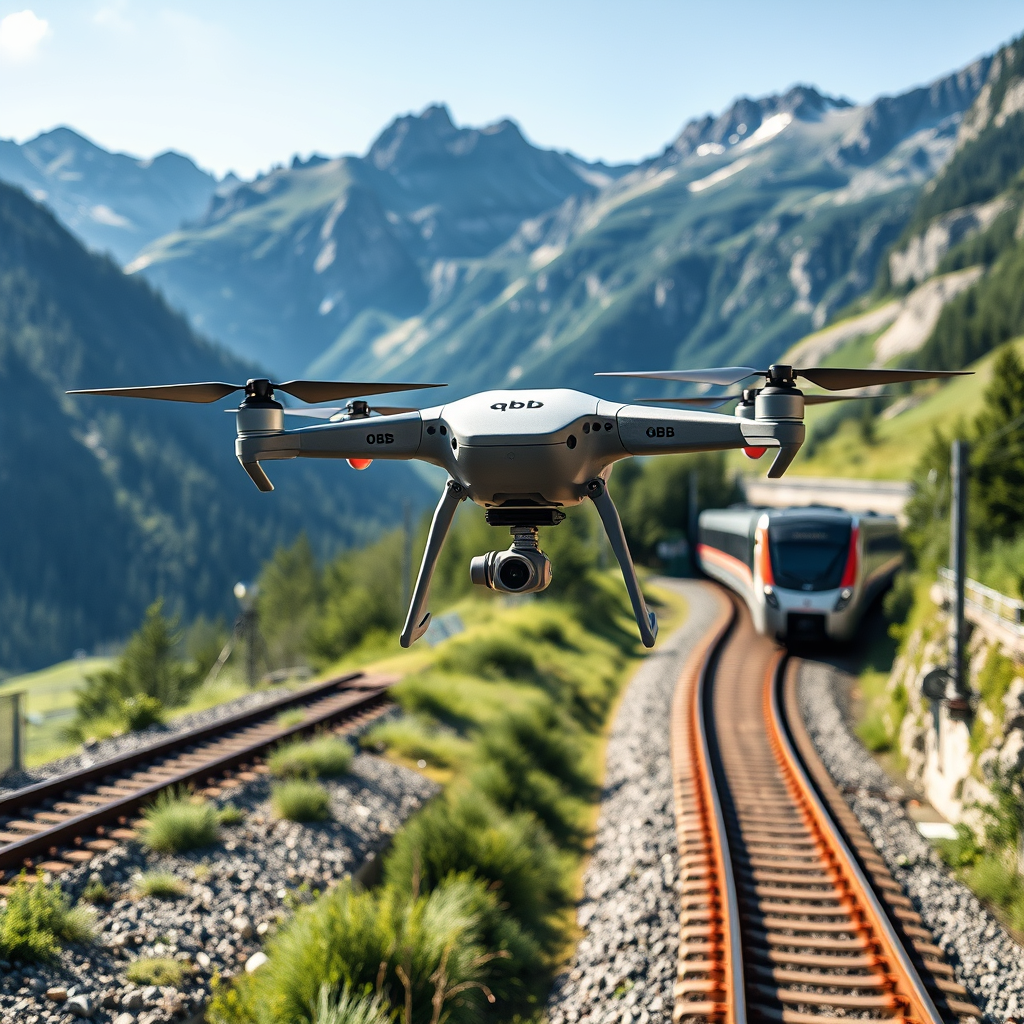
The Austrian Federal Railways (ÖBB) is pioneering a revolutionary approach to railway infrastructure maintenance and emergency response through the strategic integration of unmanned aerial vehicles (UAVs), commonly known as drones. This innovative initiative, undertaken in collaboration with Frequentis and Austro Control, marks a significant advancement in rail safety and efficiency. The use of drones for track inspection represents a paradigm shift, offering numerous benefits over traditional methods. This article will explore the technological advancements driving this adoption, the operational advantages for ÖBB, the broader implications for the rail industry, and the future potential of drone technology in railway infrastructure management. The implementation, encompassing the establishment of strategically located “drone garages” for rapid deployment, highlights the proactive approach ÖBB is taking to enhance operational efficiency and passenger safety. The integration of drone technology within the existing infrastructure framework offers a compelling case study for other railway operators globally, particularly those facing challenges with geographically challenging terrain or time-sensitive emergency response requirements. This article will delve into the specifics of ÖBB’s drone program, outlining the challenges overcome, the resulting efficiencies gained, and the potential future developments in this exciting field.
Drone Technology in Railway Infrastructure Inspection
Traditional methods of railway track inspection, often involving manual on-site surveys, are time-consuming, costly, and inherently risky, particularly in challenging terrain. Drones equipped with high-resolution cameras and other sensors provide a safer, faster, and more comprehensive alternative. These UAVs can access difficult-to-reach areas, such as steep slopes, bridges, and tunnels, offering detailed visual inspections otherwise impossible to conduct efficiently. The ability to quickly deploy drones in emergency situations, such as after rockfalls or storms, significantly reduces track closure times, minimizing disruption to railway services and improving overall operational efficiency. Furthermore, the data captured by drones, including high-resolution imagery and potentially thermal or LiDAR data, aids in proactive maintenance planning, allowing for early identification and remediation of potential hazards before they escalate into major incidents.
ÖBB’s Drone Program: A Case Study in Innovation
ÖBB’s partnership with Frequentis resulted in the creation of a sophisticated drone operation system. The establishment of strategically located “drone garages” ensures rapid deployment during emergencies or scheduled inspections. This infrastructure allows for quick response times, vital in minimizing service disruptions and ensuring passenger safety. The integration of this drone program within ÖBB’s existing control centers further streamlines operations, providing real-time data integration and enhancing situational awareness for decision-makers. The success of this program showcases the viability and advantages of utilizing drone technology within established rail systems, providing a valuable model for other rail operators globally.
Economic and Safety Benefits of Drone Integration
The economic benefits of integrating drone technology into railway operations are substantial. The reduction in labor costs associated with manual track inspections, coupled with faster response times in emergency situations, leads to significant cost savings. Minimized track closures translate to reduced operational disruptions, benefiting both ÖBB and its passengers. Beyond cost savings, the improved safety aspects are equally significant. By minimizing human exposure to hazardous environments, drones reduce the risk of accidents and injuries to railway personnel. The proactive identification of potential hazards through detailed inspections also enhances overall safety, preventing incidents that could lead to derailments or other major disruptions.
Future Implications and Technological Advancements
The successful implementation of drone technology within ÖBB’s operations highlights the immense potential of this technology within the broader rail industry. Future advancements in drone technology, including increased autonomy, improved sensor capabilities (e.g., incorporating thermal imaging and LiDAR for more detailed analysis), and enhanced data analytics, will further expand the capabilities and applications of drones in railway maintenance and emergency response. The integration of artificial intelligence (AI) and machine learning (ML) for automated defect detection will significantly reduce the need for human intervention in data analysis, leading to even greater efficiencies and improved safety. Furthermore, the collaboration between railway operators and technology providers will be crucial in driving the development and implementation of these advanced technologies, ensuring that the benefits of drone technology are fully realized across the rail sector globally.
Conclusions
The Austrian Federal Railways’ (ÖBB) adoption of drone technology for railway infrastructure inspection signifies a pivotal moment in the evolution of rail maintenance and emergency response. This innovative approach, executed in collaboration with Frequentis and Austro Control, represents a paradigm shift away from traditional, labor-intensive methods. The establishment of “drone garages” strategically positioned along the network ensures rapid deployment, minimizing disruption from incidents such as rockfalls and storm damage. The advantages extend beyond mere efficiency gains; drones provide a safer working environment for personnel, reducing the risk of injury in hazardous terrain. The economic benefits are considerable, encompassing reduced labor costs, minimized track closures, and proactive maintenance planning derived from detailed, high-resolution imagery and sensor data. This case study showcases the transformative potential of drone technology in enhancing safety, efficiency, and cost-effectiveness within the rail industry. The future integration of AI and more sophisticated sensor technologies promises even greater advancements, paving the way for a more autonomous and proactive approach to railway infrastructure management. The success of ÖBB’s initiative serves as a compelling example for other railway operators worldwide, encouraging the wider adoption of this innovative and transformative technology.