
Naples Metro Line 6: A Decade of Transformation
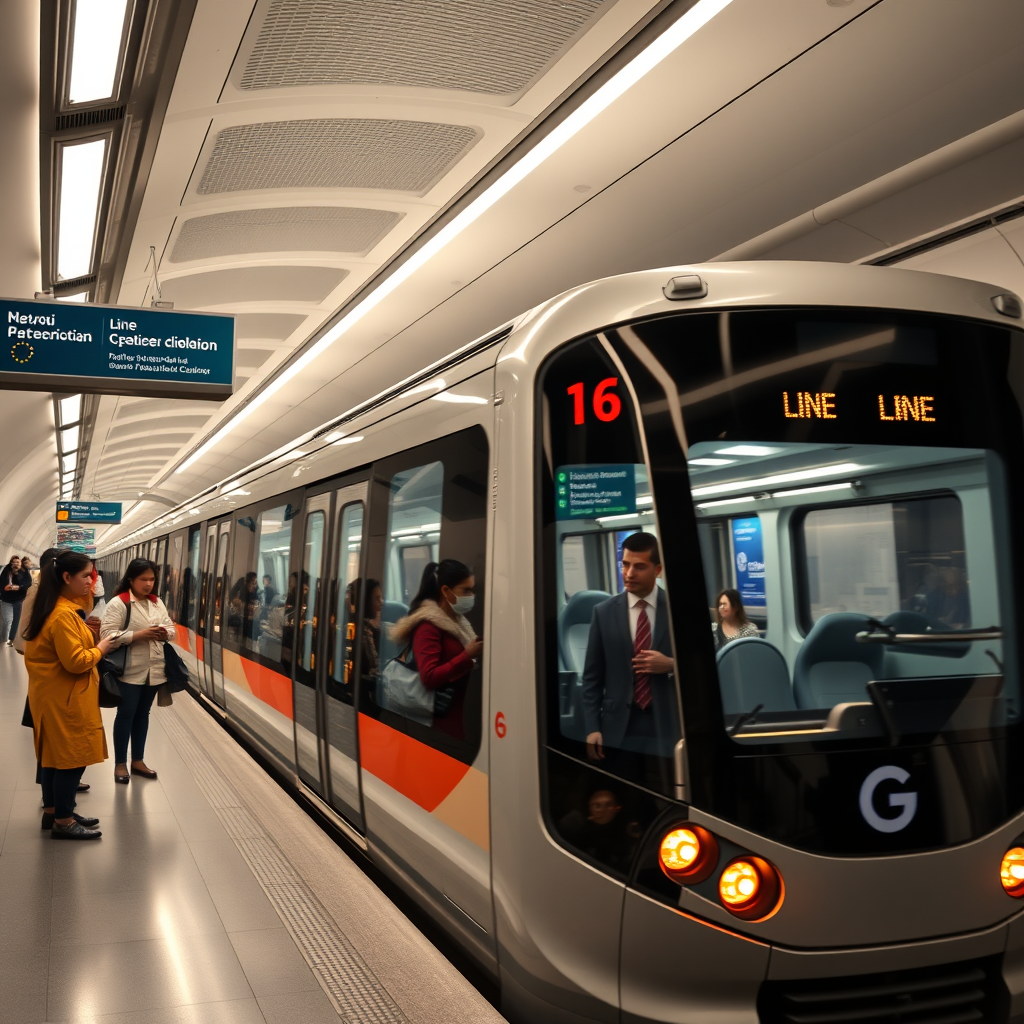
This article explores the recent reopening of Naples Metro Line 6 after an eleven-year hiatus caused by a significant building collapse. The incident, while tragic, provided an opportunity for a substantial expansion and modernization of the line. This analysis will delve into the financial aspects of the project, the technological advancements implemented, the operational improvements achieved, and the long-term implications for Naples’ public transportation system. We will examine the crucial role of European Union funding in facilitating this ambitious undertaking and consider the wider context of urban rail infrastructure development within a European metropolis. The discussion will also assess the impact on passenger capacity and frequency of service, highlighting the integration with existing rail and ferry networks. Finally, we will consider the project’s success as a model for other cities facing similar challenges in revitalizing aging or damaged rail infrastructure, balancing budgetary constraints with the urgent need for improved public transport.
The Naples Metro Line 6 Reopening: A Decade of Transformation
The reopening of Naples Metro Line 6 marks a significant milestone in the city’s transportation infrastructure. Following a devastating building collapse in 2013, which resulted in the line’s closure, a comprehensive redevelopment project was undertaken. This project not only repaired the damage but also expanded the line, adding four new stations to its existing route. This expansion increased the line’s length to 6 kilometers, extending its reach from Piazza Municipio to Mostra d’Oltremare. The project also modernized the line’s infrastructure, which is discussed below. The project’s completion and the line’s reopening demonstrate Naples’ commitment to improving its public transportation system and enhancing its urban mobility.
Financial Investment and Funding Sources
The Naples Line 6 project represents a considerable financial investment. A total of €850 million ($927 million USD) was invested in the renovation and expansion. This funding primarily came from the European Union (EU), showcasing the EU’s commitment to supporting urban infrastructure development in member states. Further, an additional €400 million has been secured for future expansions toward Campegna and the construction of a new depot. This demonstrates the long-term vision for the project and its potential for continued growth and improvement. Approximately €200 million has been allocated for the purchase of 22 new trains from Hitachi Rail, slated for delivery starting in 2026. These new vehicles will not only improve the passenger experience with modern amenities but also significantly increase the line’s passenger capacity and operational efficiency.
Operational Improvements and Technological Advancements
The renovated Line 6 boasts significant operational improvements. The introduction of 22 new trains from Hitachi Rail will allow for a service frequency of one train every 4.5 minutes in each direction. This increased frequency is intended to drastically reduce passenger wait times and improve overall service reliability. The integration of Line 6 with Line 1 at Piazza Municipio station enhances connectivity throughout the Naples metro network, providing seamless transfers for passengers using multiple lines and modes of transport, including ferry services. This improved integration and increased frequency demonstrates a forward-thinking approach to urban rail planning.
Long-Term Implications and Future Expansions
The reopening of Line 6 is not just a localized improvement; it signifies a broader strategic advancement for Naples’ public transportation system. The successful completion of this project, overcoming significant challenges, offers valuable lessons for other cities facing similar infrastructure renewal and expansion projects. The secured funding for future expansion to Campegna and a new depot underscores the long-term vision for the metro system’s growth. The enhanced connectivity and increased capacity will contribute to a more efficient and sustainable urban environment, encouraging a shift from private vehicles to public transport. This shift will have beneficial environmental and economic impacts on the city. The strategic planning and execution of this project serve as a potent example of how proactive investment in public transport can foster sustainable urban development.
Conclusion
The reopening of Naples Metro Line 6 after an eleven-year closure represents a remarkable achievement in urban infrastructure revitalization. The project’s €850 million investment, primarily funded by the EU, has resulted in a significantly upgraded line with four new stations, improved connectivity, and the promise of future expansion. The introduction of 22 new trains from Hitachi Rail will substantially increase capacity and service frequency, enhancing the passenger experience and promoting the use of public transport. This project demonstrates the potential for transforming aging or damaged infrastructure into a modern, efficient, and sustainable system, offering valuable lessons for cities worldwide facing similar challenges. The success of Line 6’s reopening highlights the crucial role of strategic planning, substantial investment, and effective collaboration between government agencies, private industry, and the European Union in delivering impactful improvements to urban rail networks. The project serves as a powerful testament to the transformative potential of investing in public transportation and its positive impact on urban life, economic growth, and environmental sustainability. The long-term implications extend beyond Naples itself, setting a precedent for ambitious and successful infrastructure renewal projects elsewhere. It underscores the importance of viewing setbacks and disruptions not as insurmountable obstacles, but as opportunities for significant, sustainable improvement.
RELATED POSTS

August 22, 2020 6:00 pm
Etihad Rail’s Expansion: A Comprehensive Analysis of its Increased Freight...

November 16, 2016 1:03 am
A consortium that includes China Railway Construction Corp has won...
July 23, 2022 7:49 am
The Seizure of Russian Rail Cars in Finland: A Case...
July 5, 2019 7:08 am
This article explores the significant expansion of Sound Transit’s light...
December 18, 2019 7:28 pm
The integration of 5G technology into railway operations represents a...

February 2, 2011 7:49 am
Alstom has won a contract to provide tramways to run...