
Mumbai’s Aqua Line: India’s Driverless Metro Revolution
Introduction
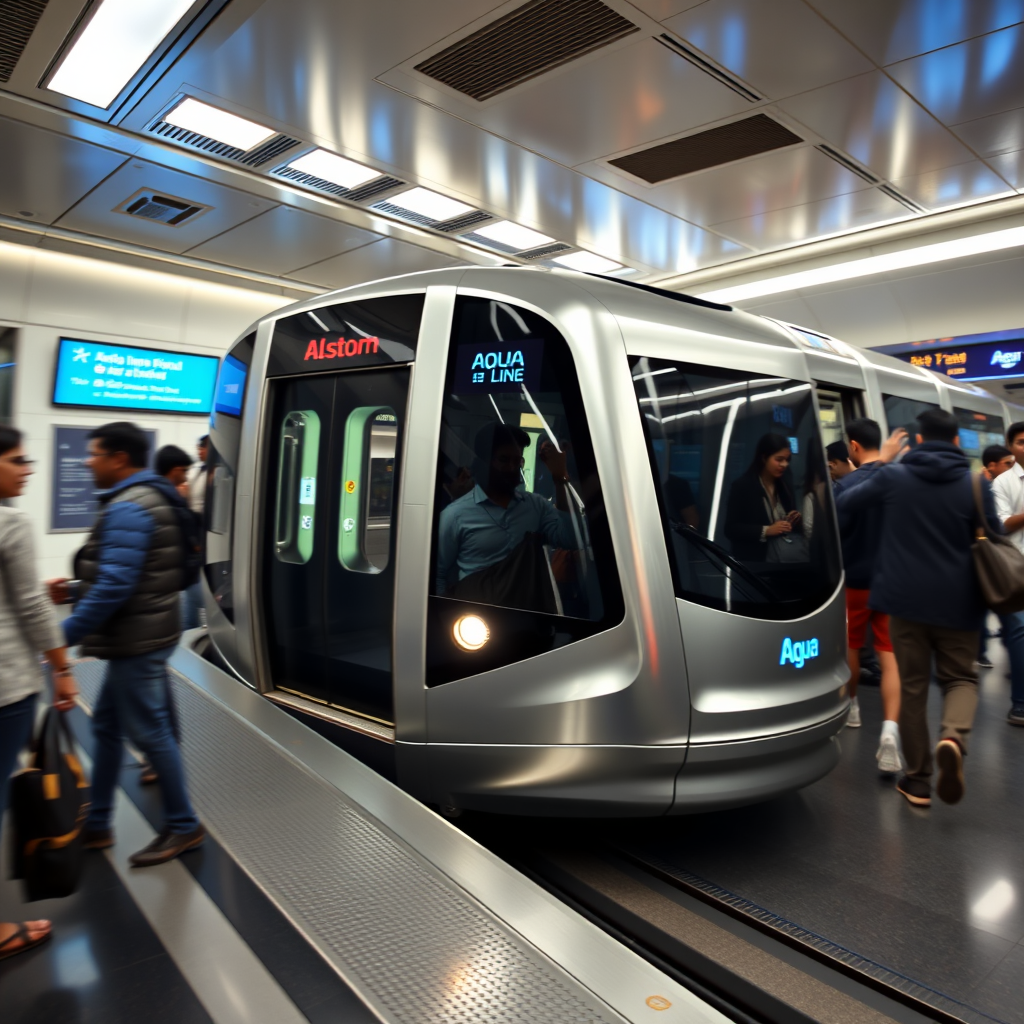
This article delves into the recent inauguration of Mumbai’s Aqua Line, a significant addition to India’s expanding metro network. The Aqua Line, a 33.5km underground line connecting the Bandra Kurla Complex (BKC) business district to Aarey JVLR, represents a substantial leap forward in Mumbai’s urban transportation infrastructure. Its opening marks not only a milestone in Mumbai’s development but also showcases India’s growing commitment to advanced, sustainable, and efficient public transit systems. This project’s success hinges on sophisticated technology, innovative engineering, and strategic planning, all of which will be analyzed in detail. The article will explore the technological advancements implemented, the economic impact and implications for urban planning, the role of “Make in India” initiatives, and finally, the broader implications for India’s national infrastructure development strategy. The analysis will consider the environmental impact as well as the social effects of this substantial infrastructure project.
Technological Advancements in the Aqua Line
The Aqua Line’s technological prowess is evident in its implementation of Grade of Automation 4 (GOA4) driverless operation systems. This cutting-edge technology allows for fully automated train operation, enhancing safety, efficiency, and passenger comfort. Further bolstering safety and operational efficiency are computer-based interlocking systems, automatic train supervision (ATS) systems, and integrated platform screen doors (PSD). The trains themselves feature advanced safety features including CCTV with facial recognition technology, and are noteworthy for their 75% motorization—a design innovation improving energy efficiency and performance compared to traditional setups. This level of technological sophistication positions the Aqua Line as a model for future metro projects across India and internationally.
“Make in India” and Domestic Manufacturing
The Aqua Line project is a significant embodiment of India’s “Make in India” initiative. Alstom, the technology provider, manufactured the 24 of 31 lightweight eight-car metro trains at its Sri City, Andhra Pradesh facility. This domestic production not only creates jobs and boosts the local economy but also demonstrates India’s growing capabilities in manufacturing advanced transportation technology. The design of these trains was even developed at Alstom’s Bangalore engineering center, highlighting the collaborative effort between domestic expertise and international technological collaboration.
Urban Planning and Economic Impact
The Aqua Line is expected to transport over 1.6 million passengers daily, significantly reducing traffic congestion in Mumbai and improving the overall quality of life for its citizens. The improved connectivity between BKC and Aarey JVLR will boost economic activity in both areas, facilitating business and promoting sustainable urban growth. The project’s success underscores the critical role of efficient public transportation in supporting economic development and urban planning strategies. The efficient movement of people and goods will have a tangible impact on Mumbai’s economy and daily life for its citizens.
National Infrastructure Development and Future Prospects
The Aqua Line’s inauguration is part of a broader national effort to modernize India’s infrastructure. The Indian government’s substantial investment in metro systems across the country reflects a commitment to sustainable urban development and improved connectivity. The success of projects like the Aqua Line not only enhances the quality of life for Mumbai residents, but also serves as a blueprint for future metro projects across India, stimulating economic growth and improving urban mobility on a national scale. The integration of cutting-edge technology and a focus on domestic manufacturing position India to lead in the development of advanced public transportation solutions.
Conclusions
The inauguration of Mumbai’s Aqua Line marks a significant achievement in India’s ongoing efforts to modernize its urban transportation infrastructure. The project showcases the successful integration of advanced technology, including GOA4 driverless systems, computer-based interlocking, and 75% motorization in the trainsets, resulting in a highly efficient and safe metro line. The “Make in India” initiative played a crucial role in the project, highlighting India’s growing capacity for manufacturing advanced transportation systems. The economic impact is expected to be substantial, easing congestion and boosting economic activity in BKC and Aarey JVLR. The Aqua Line serves as a model for future metro projects across India, demonstrating the potential for sustainable urban development and improved connectivity on a national level. The project’s success reinforces the importance of strategic investment in public transportation to support economic growth and enhance the quality of life for millions of citizens. Its success highlights a commitment to not only modernizing existing infrastructure but also fostering innovation in the design and manufacture of rail systems. The integration of Intelligent Transportation Systems (ITS) further enhances the efficiency and effectiveness of the line, setting a precedent for future projects seeking to utilize cutting-edge technology to improve public transit and urban mobility. The Aqua Line stands as a testament to India’s ambition to build world-class infrastructure, fostering economic development and enhancing the lives of its citizens.
RELATED POSTS

October 12, 2022 10:32 pm
This article examines the recently completed Long Island Rail Road...
February 25, 2021 3:49 pm
This article explores the expansion of Singapore’s Sengkang-Punggol Light Rail...
February 25, 2020 4:26 pm
Introduction The rapid spread of infectious diseases, such as the...

March 12, 2013 8:02 pm
Stadler Bussnang has received a contract worth a total of...
May 17, 2017 10:37 am
"Rebuilding after Sandy: NJ TRANSIT's Hoboken Terminal is undergoing a...
December 21, 2017 2:37 am
Maximize railway efficiency and safety with optimized track layouts, advanced...