
Madrid Metro’s €1B Upgrade: 80 New Trains
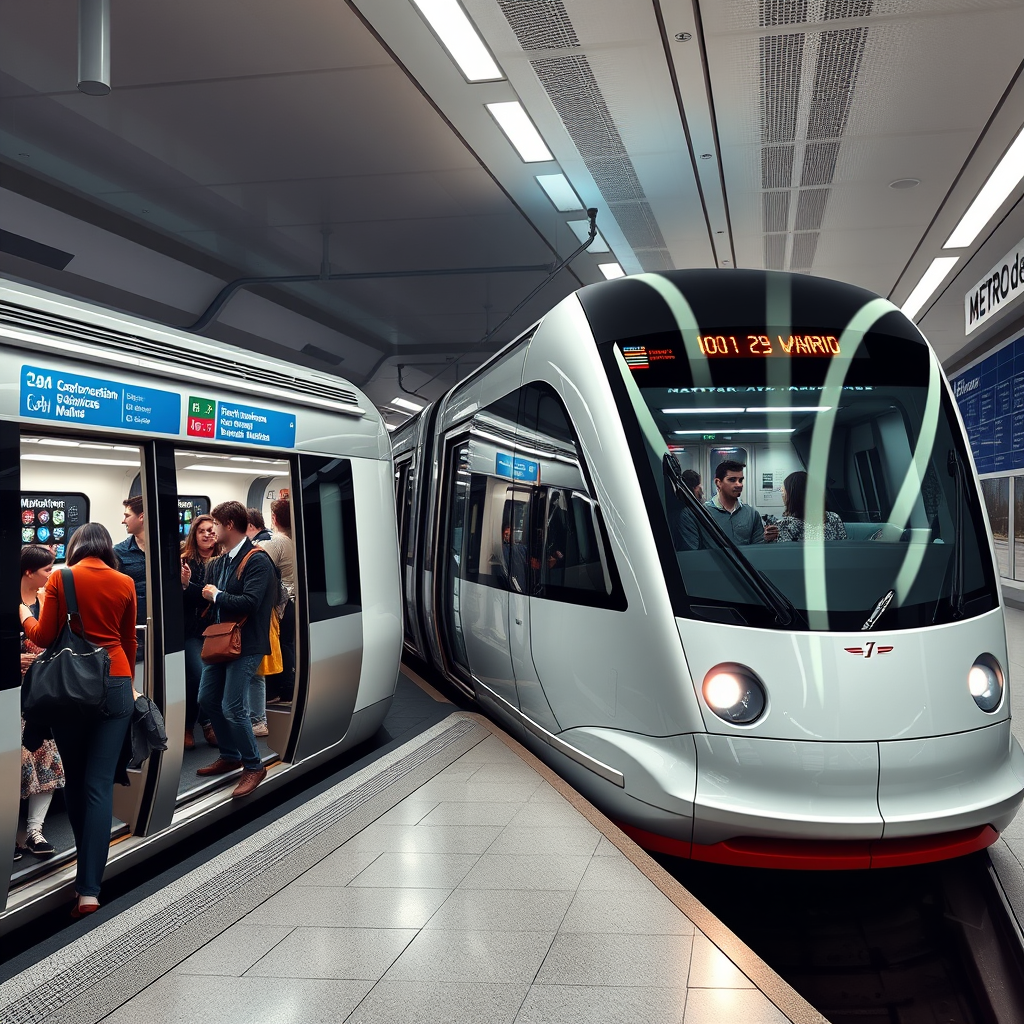
Modernizing Madrid’s Metro: A €1 Billion Investment in Rolling Stock
This article explores the significant investment undertaken by Metro de Madrid to modernize its railway system through the acquisition of 80 new trains. The project, valued at €1.094 billion, represents a substantial commitment to improving the efficiency, sustainability, and overall passenger experience of the Madrid metro network. Securing funding through a substantial loan agreement with the European Investment Bank (EIB) and the Instituto de Crédito Oficial (ICO) (Spanish Official Credit Institute), this initiative demonstrates a proactive approach to addressing the growing demands of a modern, expanding city. The acquisition, encompassing both narrow-gauge and broad-gauge trains, will not only replace aging rolling stock but also pave the way for anticipated network expansions and the introduction of a new route, Madrid Nuevo Norte. The subsequent sections delve into the specifics of the financing, the technological advancements incorporated in the new trains, the environmental benefits, and the broader implications for Madrid’s urban mobility landscape.
Financing the Modernization
The acquisition of the 80 new six-car trains is primarily funded by an €820 million loan, representing 88% of the total project cost. This substantial loan is jointly provided by the EIB (€470 million) and the ICO (€350 million). This strategic partnership highlights the importance placed on modernizing Madrid’s public transportation infrastructure at both the European and national levels. The remaining 12% of the funding likely comes from Metro de Madrid’s own resources or other sources of public funding. The loan structure underscores the scale of the project and the commitment of these financial institutions to support crucial urban infrastructure development. The disbursement of funds and associated loan terms would need to be further analyzed to understand the full financial implications for Metro de Madrid.
Technological Advancements and Operational Improvements
The new trains represent a significant upgrade to Metro de Madrid’s existing fleet. The incorporation of modern technologies is expected to enhance several aspects of the metro’s operations. These improvements could include advanced signaling systems, improved passenger information displays, enhanced accessibility features for passengers with disabilities, and potentially, automation technologies to optimize train scheduling and energy consumption. Furthermore, the design and manufacturing process of the new trains would include emphasis on safety and reliability standards, reducing maintenance downtime and operational disruptions. These trains would be deployed on lines 1, 6, 8, and 11, signifying their role in upgrading existing infrastructure and preparing for future expansion.
Sustainability and Environmental Impact
The project’s commitment to sustainability is a key aspect. The new trains are designed to be more energy-efficient than their predecessors, contributing to a reduction in the metro’s overall carbon footprint. This focus on energy efficiency aligns with broader European Union goals to decarbonize transportation systems. Additionally, the design, manufacturing, operation, and maintenance of the new trains will incorporate sustainability criteria throughout their life cycle. This holistic approach ensures that environmental considerations are not limited to the trains’ operation but extend to their entire lifecycle, minimizing waste and maximizing resource efficiency. The specific sustainability metrics, such as energy consumption per passenger-kilometer and reduced emissions, would need to be reviewed to quantify the actual environmental impact.
Broader Implications for Urban Mobility
Beyond the direct benefits for Metro de Madrid, this investment has wider implications for Madrid’s urban mobility. The improved efficiency and capacity of the metro system are expected to provide a more attractive and reliable alternative to private car use, contributing to traffic reduction and improved air quality in the city. Increased accessibility through enhanced features in the new trains, especially for passengers with disabilities, further improves inclusivity within the public transport system. The planned network extensions, made possible by the increased capacity provided by the new trains, enhance connectivity within the city and its surrounding areas. This expansion is crucial for accommodating Madrid’s growing population and supporting urban development in areas previously less well-served by public transportation. The project directly contributes to the overall economic development of Madrid and the surrounding region, improving accessibility to employment opportunities and essential services for its residents. The efficient and affordable urban mobility option offered by the upgraded Metro system significantly benefits the socio-economic fabric of the city.
Conclusion
The €1.094 billion investment in 80 new trains for the Madrid metro represents a substantial commitment to modernizing the city’s crucial public transportation system. Funded largely by a joint loan from the EIB and ICO, this project signifies the importance placed on improving urban infrastructure at both the European and national levels. The acquisition of modern, energy-efficient rolling stock, incorporating technological advancements and prioritizing sustainability, will significantly enhance the efficiency, reliability, and environmental performance of the Madrid metro network. The deployment of these new trains on lines 1, 6, 8, and 11, along with their contribution to planned network expansions, will provide improved connectivity and accessibility within the city. The integration of modern technologies and a focus on sustainability are not merely technological upgrades, but contribute to a significant improvement in the overall quality of life for Madrid residents. The positive externalities, encompassing reduced traffic congestion, improved air quality, enhanced accessibility, and improved connectivity to employment and services, highlight the far-reaching benefits of this significant investment. In conclusion, this project showcases a model for sustainable and efficient urban rail system development, offering valuable lessons for other cities facing similar challenges in expanding and modernizing their public transportation networks.
RELATED POSTS
April 1, 2026 8:45 am
Renfe Alquiler finalized a 15-year lease for ex-DB coaches with...
April 1, 2026 12:10 pm
Alstom secured a €410 million contract from CFR SA to...