
KTX-Cheong-Ryong: South Korea’s 320km/h Rail Revolution
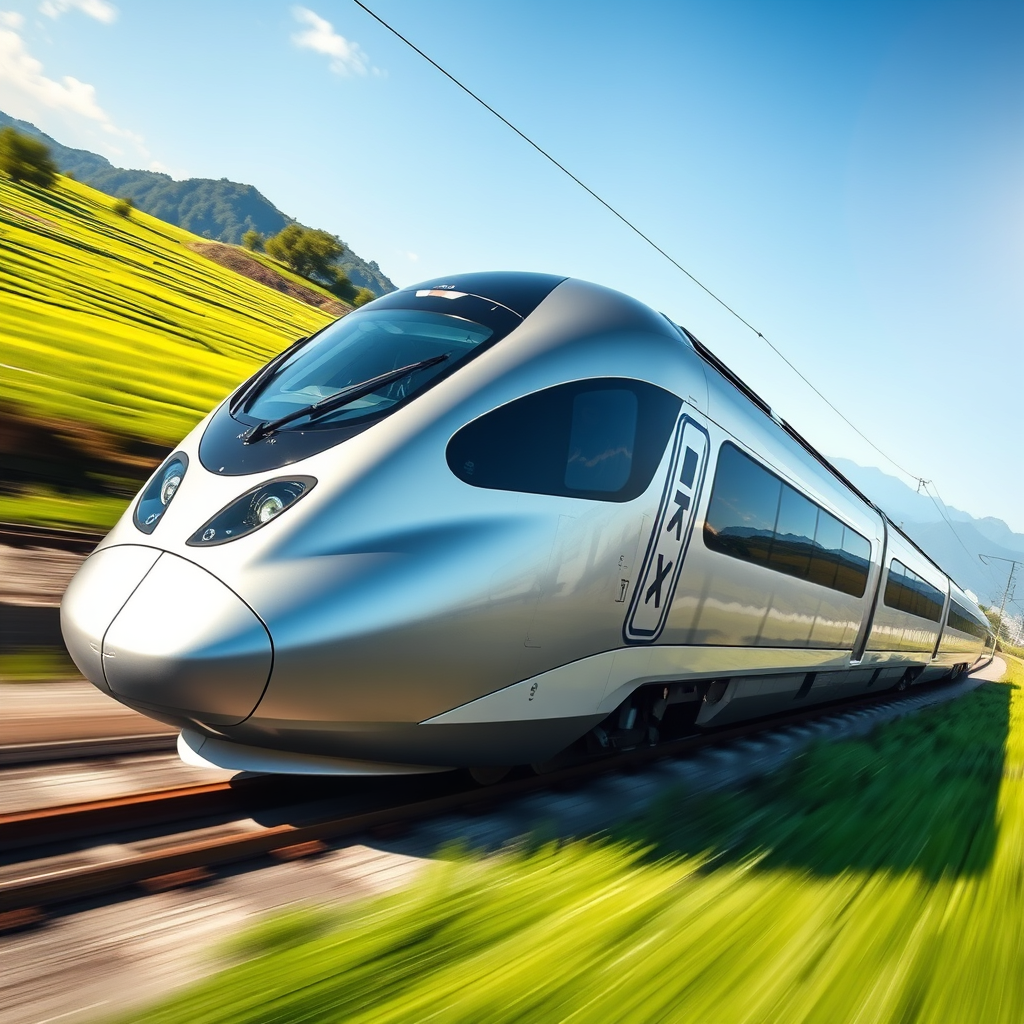
The KTX-Cheong-Ryong: A New Era of High-Speed Rail in South Korea
This article delves into the recent introduction of the KTX-Cheong-Ryong (also known as EMU-320 or Korail Class 160000), a new high-speed train for the Korean railway network. The KTX-Cheong-Ryong represents a significant advancement in South Korea’s high-speed rail infrastructure, building upon the success of its predecessor, the KTX-Eum. While externally similar, substantial internal improvements address previous shortcomings and enhance passenger comfort and safety. We will examine the technical specifications, design improvements, operational deployment, and the challenges overcome during the train’s development and introduction into service. The focus will be on the technological advancements, passenger experience enhancements, and the overall impact this new rolling stock will have on the South Korean railway system.
Technical Specifications and Design
The KTX-Cheong-Ryong is an eight-car EMU (Electric Multiple Unit), with a total length nearing 200 meters. Each trainset features driving cars at either end, and powered intermediate passenger cars. This configuration ensures efficient power distribution and optimal passenger capacity. The train’s maximum operational speed is 320 km/h (EMU-320 designation reflects this), a significant improvement over older EMU-260 rolling stock (maximum speed 240 km/h), and it boasts a peak passenger capacity of approximately 550. Power is supplied via 25 kV overhead catenary lines, collected by a pantograph. The external design, while similar to the KTX-Eum, masks significant internal modifications undertaken by Hyundai Rotem, the manufacturer, addressing previously identified noise issues.
Enhanced Passenger Experience
Korail and SR Corporation have emphasized a considerable improvement in passenger comfort. Key enhancements include forward-facing seats aligned with windows – a design feature refined based on passenger feedback from previous high-speed train models. The seating arrangement was carefully planned with ergonomic considerations, and all seats now have airline-style entertainment seat-back systems. Passengers can enjoy Korail’s internal programming, access YouTube, or connect personal devices via onboard Wi-Fi. Further enhancements include the provision of individual power sockets, USB ports, and wireless charging points for each passenger.
Operational Deployment and Initial Challenges
Currently, two KTX-Cheong-Ryong units are in service, operating on the Gyeongbu (Seoul-Busan) and Honam (branching from Seoul-Busan to Mokpo) lines. Weekday services run twice daily, while weekend services operate four times daily. The remaining 17 units are scheduled for introduction by 2027. However, the project faced significant delays due to “serious noise concerns” discovered in 2021. Noise levels in the driver’s cab exceeded acceptable safety limits (80dB), necessitating redesign and resulting in a $13.9 million fine for Hyundai Rotem to compensate for the delays. These setbacks highlight the rigorous testing and safety standards applied to high-speed rail projects.
Conclusion
The introduction of the KTX-Cheong-Ryong represents a notable step forward for South Korea’s high-speed rail system. The new trains offer significant improvements in both speed and passenger experience, integrating modern technological advancements to create a more comfortable and enjoyable journey. While the initial project faced delays due to unforeseen noise issues, the successful resolution of these challenges underscores the commitment to safety and quality. The enhanced features, including the redesigned seating arrangement, in-seat entertainment, and ample power outlets, aim to create a premium travel experience comparable to airline travel. The planned expansion of the fleet to 19 units by 2027 will significantly increase capacity and service frequency, enhancing the efficiency and appeal of South Korea’s high-speed rail network. The KTX-Cheong-Ryong’s successful launch not only marks a technological advancement but also demonstrates the importance of addressing safety concerns proactively and effectively within the demanding context of high-speed rail operations. The rigorous testing and subsequent modifications illustrate a commitment to upholding the highest standards of passenger safety and operational reliability, setting a benchmark for future high-speed rail projects worldwide. This success story highlights a balance between technological ambition and a commitment to safety regulations, resulting in a significant upgrade to South Korea’s railway network. The future of high-speed rail in South Korea looks bright, with the KTX-Cheong-Ryong paving the way for an improved and more efficient passenger rail experience.
RELATED POSTS

September 27, 2019 9:30 am
This article explores the implementation of Communications-Based Train Control (CBTC)...
November 6, 2023 2:42 pm
Introduction This article delves into the significant undertaking of Canada’s...
March 30, 2025 2:11 am
This article examines the modernization of the Cascais Line’s railway...
July 18, 2025 10:33 pm
Union Pacific and Norfolk Southern are in merger talks, sparking...
March 25, 2022 4:18 am
Modernizing Dutch Rail Infrastructure: Thales’ ERTMS Central Safety System Deployment...

September 24, 2011 6:21 pm
Spanish construction company Construcciones y Auxiliar de Ferrocarriles (CAF) has...