
Madrid Metro Line 1: €504M Upgrade & New Trains
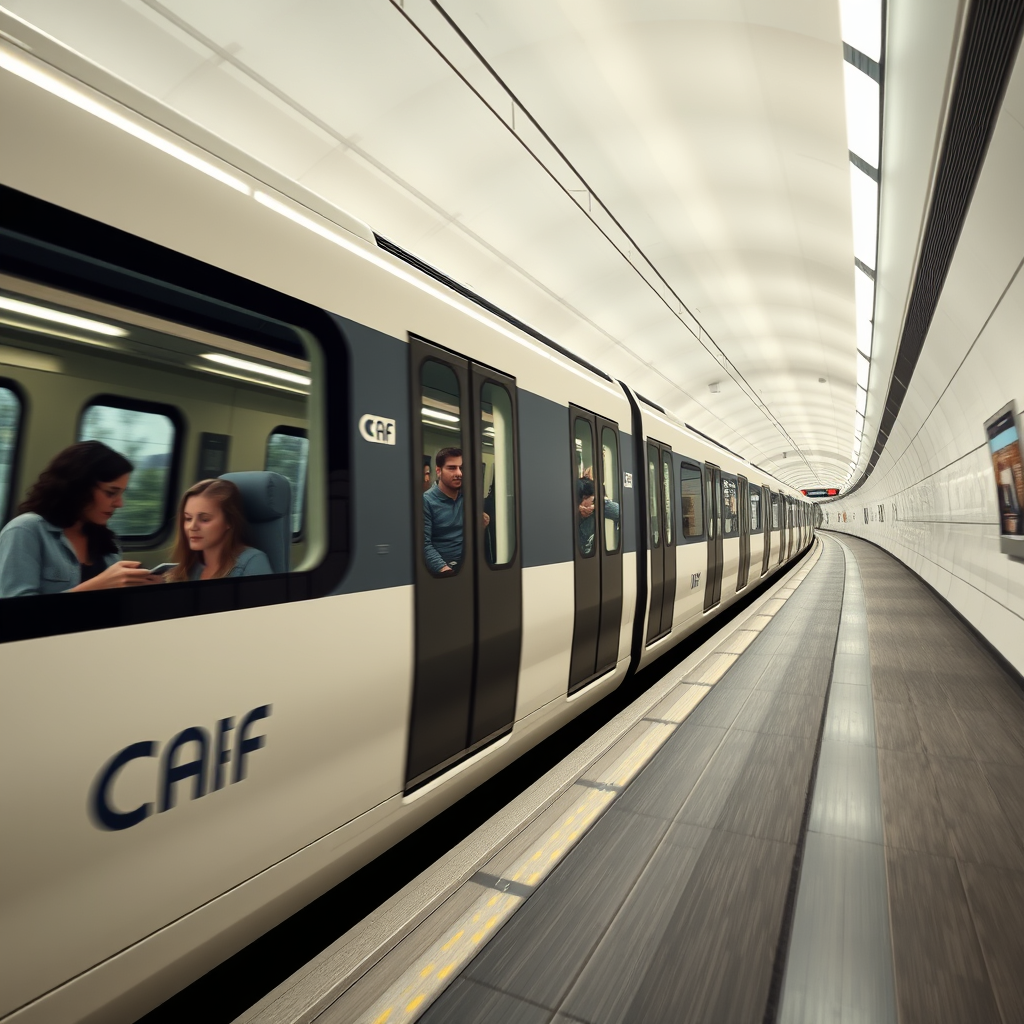
The modernization of urban rail systems is a crucial aspect of sustainable urban development, impacting the efficiency, capacity, and overall passenger experience. This article delves into the significant investment by the Community of Madrid in upgrading its Metro Line 1, focusing on the procurement of 40 new narrow-gauge trains. This €504 million (approximately $542.7 million USD) initiative represents a substantial commitment to enhancing the city’s public transportation infrastructure. The project involves not only the acquisition of new rolling stock but also encompasses a comprehensive lifecycle management plan including maintenance and digital enhancement. The analysis will examine the technical specifications of the new trains, the economic implications of the investment, and the broader strategic context of this upgrade within Madrid’s overall transportation strategy. We will explore how this project fits into the wider trend of modernizing urban rail networks globally, using Madrid’s Line 1 as a case study. The impact on passenger capacity, operational efficiency, and the integration of Intelligent Transportation Systems (ITS) will be considered.
Line 1 Upgrade: A New Fleet for Madrid’s Metro
Madrid’s Metro Line 1, inaugurated in 1919, is undergoing a significant transformation with the addition of 40 new narrow-gauge trains. This project, awarded to CAF (Construcciones y Auxiliar de Ferrocarriles), involves the design, manufacture, supply, and commissioning of these six-car trains, each equipped with intercommunicating corridors and a driver’s cab. The new rolling stock is designed to operate using a semi-automatic train control system, enhancing safety and efficiency. The choice of a narrow-gauge system reflects the existing infrastructure of Line 1, requiring specialized train design. The integration of these new trains will significantly improve passenger capacity and operational efficiency on this heavily used line.
Economic and Lifecycle Considerations
The €498.2 million ($536.5 million USD) contract extends beyond simply the acquisition of new trains. It incorporates a comprehensive ten-year maintenance program, emphasizing a lifecycle approach to asset management. This strategy aims to maximize the operational life and minimize long-term costs. Furthermore, a significant emphasis is placed on digital enhancement, aligning with the growing trend of integrating Intelligent Transportation Systems (ITS) into modern rail systems. This modernization will facilitate improved data collection, predictive maintenance, and enhanced operational control. An additional €6.3 million ($6.7 million USD) is allocated for certification, inspection, and monitoring of the associated infrastructure upgrades needed to support the new trains.
Technological Advancements and ITS Integration
The incorporation of modern technologies is a key component of this upgrade. While specifics regarding the precise ITS implementation remain undisclosed, the investment signifies a commitment to enhancing operational efficiency through data-driven decision-making. The potential integration of technologies such as Automatic Train Protection (ATP) systems, centralized traffic management systems, and predictive maintenance algorithms will contribute to safer and more reliable operations. The modernization represents an important step in aligning Line 1 with best practices in modern railway technology, maximizing safety, reliability, and efficiency.
Impact and Future Implications
The phased rollout of these new trains, with the first units expected in the first half of 2027, will gradually replace older 2000 CBTC (Communications-Based Train Control) series trains. This will not only improve Line 1’s capacity, speed, and efficiency (serving approximately nine million passengers monthly), but will also improve the overall passenger experience. The project facilitates a more efficient redistribution of existing rolling stock within the Madrid Metro network. This optimized allocation of resources will support future expansion plans, such as the extension of Line 11 to Conde de Casal. Furthermore, the investment sends a strong signal about Madrid’s ongoing commitment to improving its public transport infrastructure, supporting economic growth, and enhancing the quality of life for its citizens.
Conclusion
The Community of Madrid’s €504 million investment in 40 new trains for Metro Line 1 represents a significant commitment to modernizing its public transportation system. This initiative is not merely about acquiring new rolling stock but is part of a larger strategic plan focusing on enhanced efficiency, increased capacity, and the integration of advanced technologies. The inclusion of a comprehensive ten-year maintenance plan and a strong emphasis on digitalization highlight a proactive and sustainable approach to asset management. The project’s impact extends beyond Line 1, facilitating a more efficient allocation of resources across the entire Madrid Metro network and supporting future expansion plans. The successful implementation of this project serves as a model for other cities looking to upgrade their aging rail infrastructure, showcasing the importance of long-term planning, technological innovation, and a commitment to sustainable urban development. The enhanced passenger capacity, improved operational efficiency, and integration of Intelligent Transportation Systems will ultimately improve the overall quality of public transportation in Madrid, benefiting millions of commuters daily. The project’s success will depend heavily on effective project management, careful integration with the existing infrastructure, and ongoing monitoring to ensure that the expected benefits are fully realized. The investment demonstrates a clear commitment to building a sustainable, efficient, and modern public transit system for the future of Madrid.
RELATED POSTS

November 11, 2009 11:00 am
Thailand’s Transport Ministry will propose a $44.14bn (THB1.47tr) railway improvement...

October 28, 2025 3:54 am
West Midlands Railway unveils its £70 million Tyseley Depot redevelopment,...

April 19, 2025 3:23 pm
Improving UK Rail Reliability: A Comprehensive Analysis The UK rail...

September 6, 2025 12:49 pm
“`html Introduction Construction has commenced on a $2.15 billion cross-border...

ASLRRA joins the review of the Union Pacific and Norfolk...

December 2, 2010 8:01 am
Russian Railways and Italian manufacturer Finmeccanica have signed an agreement...