
Madrid Metro: EUR 57M Investment for Track Maintenance
Madrid, Spain – October 26, 2024
The Community of Madrid has announced a substantial investment of EUR 57 million dedicated to the comprehensive maintenance of the Madrid Metro’s expansive track network. This significant financial commitment underscores the ongoing dedication to ensuring the safety, reliability, and operational efficiency of one of Europe’s busiest underground transportation systems. The planned maintenance program encompasses nearly 300 kilometers of track, including essential depot infrastructure, highlighting the commitment to proactive infrastructure management. This investment is part of a larger strategic plan aimed at enhancing the overall passenger experience and minimizing disruptions across the network. The Metro de Madrid (the Madrid Metro) has initiated a public tender process to award the contracts, which are slated to span four years, reflecting a long-term commitment to infrastructure preservation and operational excellence.
Preserving the Lifeline: Scope of Track Maintenance
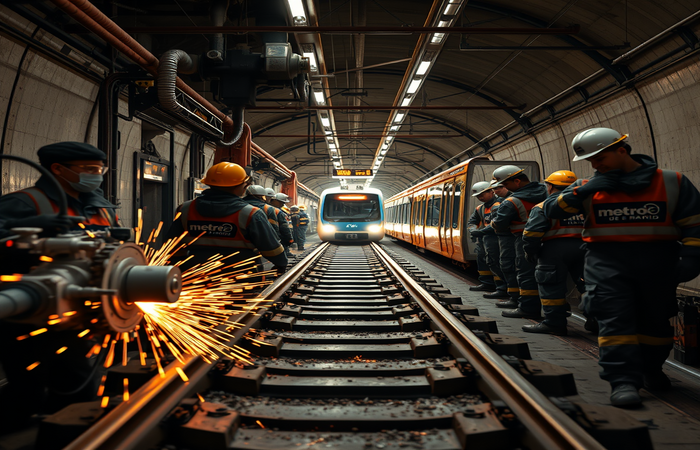
The primary focus of the EUR 57 million investment centers on critical track maintenance and the upkeep of associated drainage systems. This encompasses a wide array of activities, including rail grinding to correct imperfections and maintain optimal wheel-rail contact, ballast tamping to ensure proper track alignment and stability, and the inspection and repair of essential drainage infrastructure to prevent water damage and ensure efficient water runoff. This proactive approach is crucial in mitigating potential operational incidents, such as train delays caused by track irregularities or flooding. Furthermore, the maintenance program is designed to uphold the high standards of reliability that the Madrid Metro is known for, ensuring smooth and efficient service for the millions of passengers who rely on the system daily. The contracts awarded will also cover the maintenance of tunnels, auxiliary installations, and major station structures, ensuring a holistic approach to infrastructure upkeep.
Minimizing Disruption: Strategic Work Scheduling
To minimize any inconvenience to the millions of passengers, the majority of the maintenance work is carefully scheduled to be conducted during off-peak hours, primarily overnight. This strategic planning minimizes disruption to the daily commute and upholds the Metro’s commitment to providing consistent and dependable service. The Metro de Madrid, recognizing its vital role in the city’s infrastructure, strives to balance necessary maintenance with the need to keep the network fully operational during peak hours. This approach ensures the network’s availability to over 715 million passengers who used the system in 2024. The overnight scheduling strategy allows for the efficient deployment of maintenance teams and equipment without significantly affecting the flow of passengers.
Centralized Operations: Streamlining Resource Management
A key element of this investment is the centralization of maintenance operations. This consolidation of resources is intended to improve overall efficiency and optimize resource management across the entire Metro network. Centralized maintenance operations allow for better coordination of maintenance teams and equipment, ensuring that the right resources are available at the right time and in the right place. This centralized approach also streamlines the mobility of maintenance vehicles, enabling faster response times to any issues that may arise and increasing the overall effectiveness of the maintenance program. It enhances the overall maintenance process and contributes to a more efficient and reliable metro system for the residents and visitors of Madrid.
Conclusion: Investing in a Sustainable Future
The EUR 57 million investment in the Madrid Metro’s infrastructure represents a significant commitment to the long-term sustainability and operational excellence of the transportation system. By focusing on proactive track maintenance, drainage improvements, and strategic scheduling, the Community of Madrid is demonstrating its dedication to providing a safe, reliable, and efficient public transport service. This investment goes beyond simple repairs and emphasizes the importance of preventative measures. By implementing a program focused on the upkeep of the track and the facilities, the Madrid Metro aims to reduce operational incidents, improve the passenger experience, and ensure that the network continues to meet the growing demands of a thriving city. The strategic allocation of resources, the emphasis on centralized operations, and the commitment to minimal disruption all contribute to the overall success of this initiative. This commitment is a testament to the value placed on public infrastructure, which reinforces its vital role in supporting the economic activity and the overall well-being of the community.
Companies summary:
The news is focused on the Community of Madrid and Metro de Madrid, highlighting their strategic investment and operational strategies for the Metro’s infrastructure.
RELATED POSTS

Keçiören Metro line, which cost TL 1 billion, opened in...

January 8, 2022 4:44 am
Introduction China’s ambitious railway modernization plans represent a significant leap...
July 29, 2022 8:30 am
Enhanced Train Detection and Control: Alstom’s ELS-96 Axle Counter System...

October 29, 2025 12:54 am
CPK Airport launches a tender for a massive rail tunnel...
June 4, 2022 9:40 pm
The Uinta Basin Railway Project: A Comprehensive Overview This article...

March 11, 2025 11:19 am
The ongoing conflict in Ukraine has severely disrupted its transportation...