
Hydrogen Trains in Quebec: A Green Rail Revolution

Introduction
The global railway industry is undergoing a significant transformation driven by the urgent need for sustainable transportation solutions. The environmental impact of traditional diesel-powered trains is increasingly concerning, prompting a global search for cleaner alternatives. This article explores the pioneering initiative by Alstom to deploy its Coradia iLint hydrogen-powered train in Quebec, Canada. This project represents a critical step forward in the adoption of hydrogen fuel cell technology for passenger rail operations, potentially offering a viable path towards decarbonizing regional rail networks. We will examine the technical aspects of the Coradia iLint, its operational implications within the Réseau Charlevoix context, the broader significance of this project for North American rail, and the economic and environmental considerations driving this technological shift. The analysis delves into the challenges and opportunities associated with widespread hydrogen train adoption, considering infrastructure needs, hydrogen production and distribution, and the overall cost-effectiveness of this emerging technology compared to existing diesel and electric solutions. Finally, the article will assess the potential for this technology to impact broader transportation strategies aimed at reducing greenhouse gas emissions.
The Coradia iLint: A Technological Overview
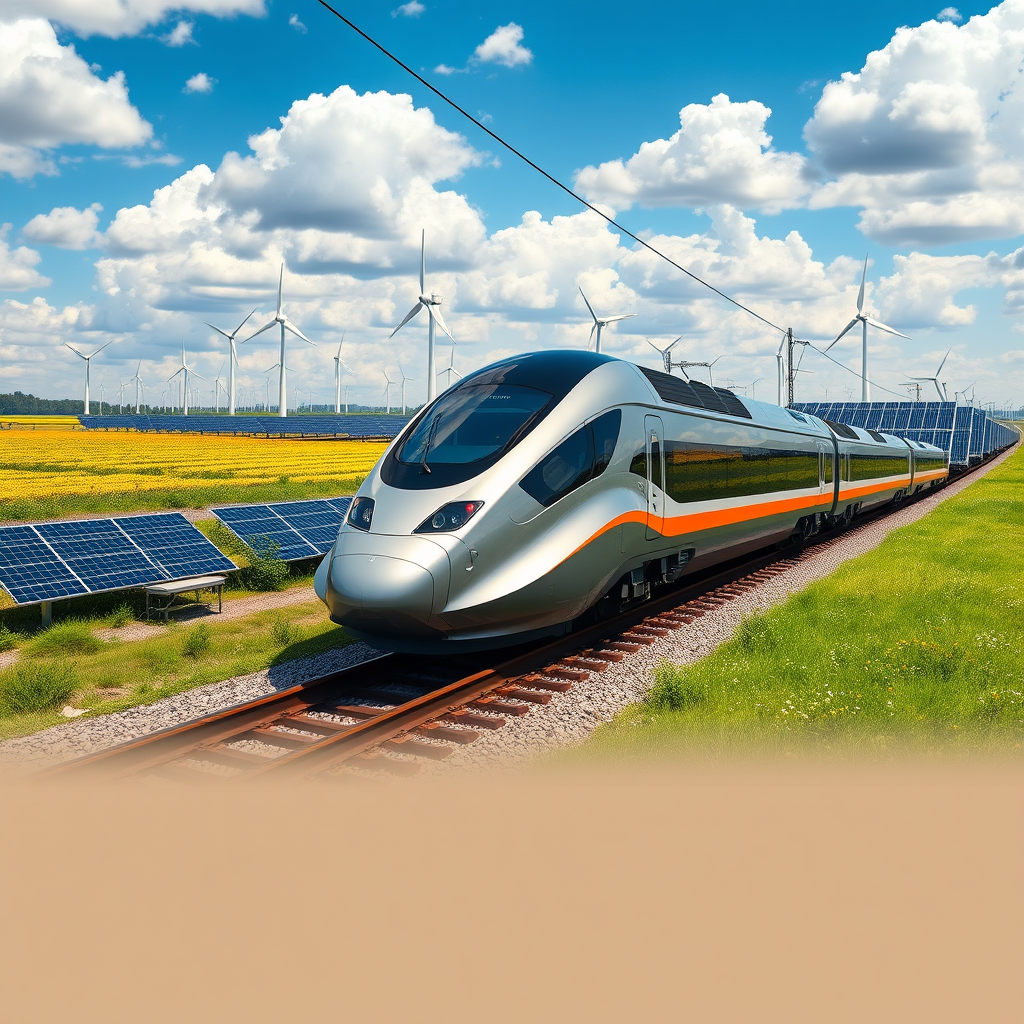
The Coradia iLint, manufactured by Alstom, is a multiple-unit (MU) passenger train powered by hydrogen fuel cells. Unlike battery-electric trains, which have limited range and require significant charging infrastructure, the Coradia iLint uses hydrogen as its primary energy source, converting it into electricity through fuel cells. This process produces only water vapor as a byproduct, resulting in zero direct tailpipe emissions. The train’s onboard fuel cells generate electricity to power the traction motors, offering a sustainable alternative to diesel locomotives, particularly in non-electrified rail corridors. Its maximum speed of 140 km/h makes it suitable for regional and intercity passenger services. The successful commercial operation of Coradia iLint in Germany since 2018 has demonstrated its technical feasibility and reliability, paving the way for its introduction in other markets.
The Quebec Demonstration Project: A Case Study
The Quebec demonstration project represents a significant milestone for the adoption of hydrogen-powered trains in North America. The project partners—Alstom, the Government of Quebec, Chemin de fer Charlevoix, Train de Charlevoix, Harnois Énergies, and HTEC—are collaborating to establish a functional hydrogen train operation on the Réseau Charlevoix rail network between Parc de la Chute-Montmorency and Baie-St-Paul. This project will provide invaluable real-world data on the train’s performance, operational efficiency, and maintenance requirements in a North American context. The chosen location offers a valuable test bed, allowing for a comprehensive evaluation of the technology under varying operational conditions. The success of this pilot program will be instrumental in demonstrating the feasibility and economic viability of hydrogen rail for other North American regions.
Infrastructure and Economic Considerations
The widespread adoption of hydrogen-powered trains requires a robust infrastructure to support the production, storage, and distribution of green hydrogen. Producing green hydrogen, specifically using renewable energy sources for electrolysis, is crucial to ensure environmental sustainability. The economic viability of hydrogen train technology hinges on several factors including the cost of hydrogen production, the cost of train acquisition and maintenance, and the overall operating costs compared to diesel and electrified alternatives. Government incentives and policies play a vital role in encouraging the uptake of this technology. Further research and development are needed to optimize hydrogen production methods and reduce the cost of hydrogen fuel cells to make hydrogen-powered trains economically competitive across various market segments.
Conclusions
The Alstom Coradia iLint demonstration project in Quebec marks a pivotal moment in the transition towards sustainable rail transportation in North America. The success of this pilot program, utilizing green hydrogen fuel cell technology, offers a promising alternative to diesel trains, especially in regions with limited electrification. The project’s focus on real-world passenger service provides valuable operational data for assessing the technology’s long-term viability. However, the widespread adoption of hydrogen-powered trains requires significant investment in green hydrogen production and distribution infrastructure, along with favorable economic conditions and supportive government policies. The project’s success will not only demonstrate the technical capabilities of hydrogen fuel cell trains but will also greatly influence future investment decisions, potentially creating a ripple effect across the North American rail sector. The environmental benefits, reduced reliance on fossil fuels, and the potential for improved air quality in communities near rail lines are compelling arguments for further research, development and investment in hydrogen rail technology. Further analysis of lifecycle emissions, total cost of ownership and energy security aspects will be crucial in determining the long-term success and sustainability of this promising innovation in rail transport.
RELATED POSTS
June 4, 2017 9:37 am
Here's an excerpt suitable for railway professionals:"At the Port of...
July 26, 2020 12:53 am
The Broadway Subway Project: A Case Study in Large-Scale Transit...
February 21, 2022 7:36 pm
The Modernization of the Turin Metro: A Case Study in...

June 15, 2010 3:15 am
Nigeria will allocate an extra N12bn ($17bn) to repair the...
March 3, 2025 10:22 am
Accelerating the Energy Transition: Overcoming Infrastructure and Collaboration Challenges in...

October 30, 2025 9:54 pm
Alabama Port Authority and APM Terminals to build a new...