
HS2: Ferrovial, BAM Win Massive Track Contract
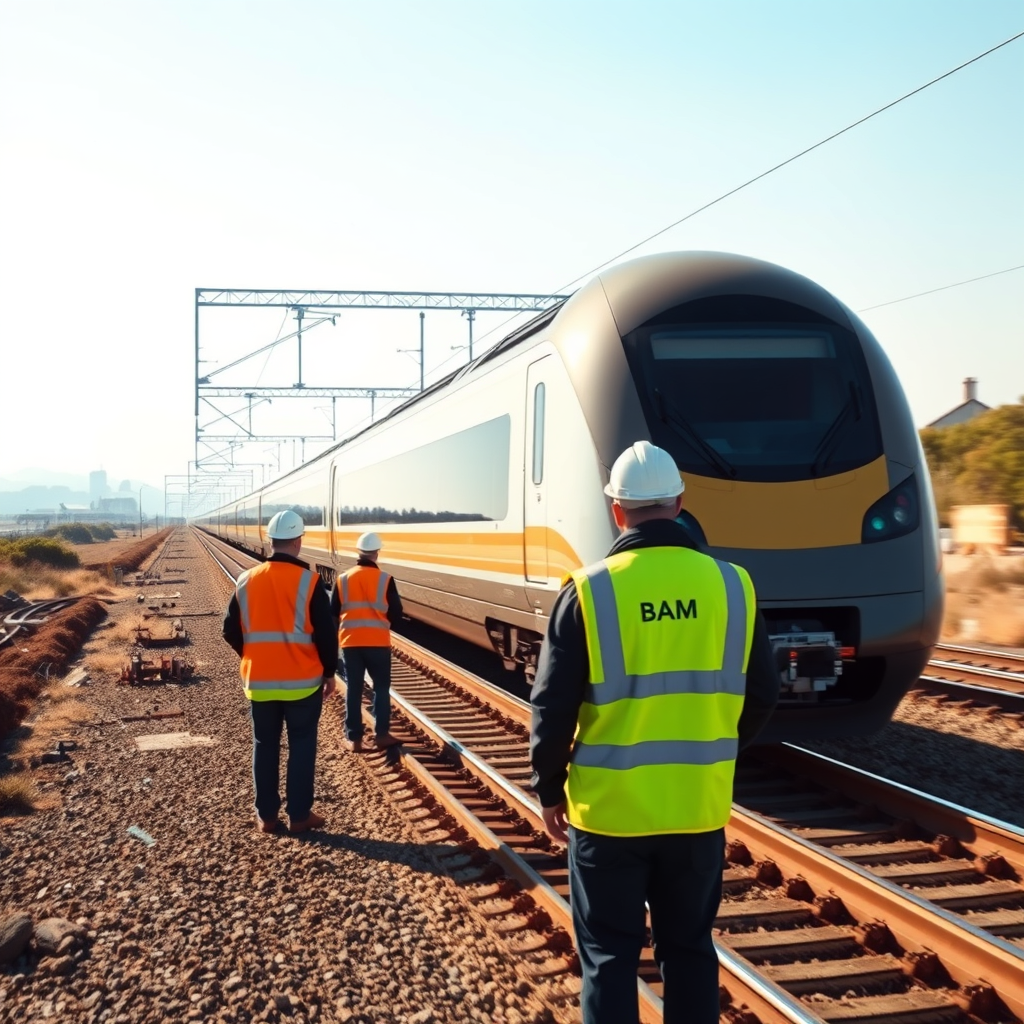
The High-Speed 2 (HS2) project, a transformative undertaking in the UK’s railway infrastructure, has recently awarded significant contracts for the design and construction of its crucial track infrastructure. This article delves into the specifics of the contract awarded to a joint venture (JV) between Ferrovial and BAM, examining the scope of work, its implications for the broader HS2 project, and the technological and logistical challenges involved in delivering such a large-scale undertaking. We will also explore the strategic significance of this project within the context of the UK’s national infrastructure development plan and the broader global trends in high-speed rail construction. Furthermore, the article will touch upon the wider implications of the HS2 project, including its economic impact through job creation and its potential to stimulate innovation in railway technology. Finally, the article analyzes the selection process and considers the long-term consequences and sustainability aspects of the project for the UK’s railway network.
Ferrovial and BAM’s HS2 Track Infrastructure Contract
Ferrovial and BAM, through their established joint venture, have secured three contracts encompassing the design and construction of approximately 280 miles of high-speed track for HS2, extending between Old Oak Common and Birmingham Curzon Street stations. This significant undertaking involves the design and installation of track capable of supporting train speeds up to 225 mph (362 km/h). Beyond the physical track laying, the JV’s responsibilities also encompass comprehensive logistical management and crucial support throughout the testing and commissioning phases of the project, ensuring the seamless integration of the new track into the overall HS2 network.
Strategic Significance and Project Scope
The Ferrovial/BAM contract represents a substantial milestone within the HS2 program. The scale of the undertaking, covering over 140 miles of track, underscores the project’s ambition and complexity. The selection process itself highlights the importance of experience and proven capability in delivering large-scale, complex infrastructure projects. The JV’s prior experience, including their successful completion of three Crossrail contracts (the longest tunneling section between Royal Oak and Farringdon, and Farringdon Station on the Elizabeth Line), and their current involvement in the Silvertown Tunnel project, demonstrates their competence and suitability for this challenging task. The combined value of this and other recently awarded contracts, estimated at approximately £3 billion, highlights the substantial investment commitment driving the HS2 project forward.
Technological and Logistical Challenges
The construction of high-speed rail track presents a multitude of intricate challenges. Precision engineering is paramount, demanding exceptional accuracy in track alignment and gradient to ensure both safety and optimal train performance at high speeds. The logistical complexities involved in coordinating the movement of materials and equipment across such an extensive area require sophisticated planning and management. The project also necessitates close collaboration with other contractors undertaking related works, such as the installation of overhead catenary systems (OCS), operational telecommunications, and security systems, to guarantee a fully integrated and functional railway system. Meeting stringent safety standards throughout the entire process remains an absolute priority.
Economic Impact and Job Creation
The HS2 project, and the Ferrovial/BAM contract in particular, will generate significant economic activity and employment opportunities across the UK. The contracts are expected to create tens of thousands of jobs, spanning a wide range of skill sets from engineering and construction to project management and logistics. This economic stimulus extends beyond the immediate construction phase; the completed HS2 network will contribute to enhanced regional connectivity, facilitating economic growth and improved access to employment opportunities. Furthermore, the investment in infrastructure modernization often leads to spillover effects, driving innovation and boosting related industries.
Conclusion
The awarding of the HS2 track infrastructure contracts to the Ferrovial/BAM joint venture marks a crucial step in the realization of the UK’s ambitious high-speed rail project. The scope of the work, encompassing the design and construction of 280 miles of high-speed track capable of supporting trains traveling at speeds up to 225 mph, is a testament to the project’s magnitude and complexity. The selection of Ferrovial/BAM underscores the importance of proven expertise and experience in handling large-scale infrastructure projects. The JV’s track record, evidenced by their prior work on projects such as Crossrail and the Silvertown Tunnel, provides confidence in their ability to successfully deliver this critical element of the HS2 network. Beyond the engineering and construction aspects, the project’s economic impact is significant, creating tens of thousands of jobs and boosting related industries. The long-term benefits of HS2 extend beyond economic growth, promising improved national connectivity, enhanced regional accessibility, and the potential for positive environmental impacts through reduced reliance on air and road travel. The success of this project will be crucial not only to the UK’s infrastructure modernization efforts but also to its overall economic competitiveness and future growth. Therefore, meticulous planning, effective collaboration among contractors, and a robust commitment to safety and quality assurance are paramount to ensuring the successful completion of this transformative undertaking.
RELATED POSTS

October 14, 2020 11:14 pm
Siemens Mobility Secures Major Light Rail Vehicle Order in Germany...
December 31, 2020 12:27 pm
Introduction This article delves into the significant modernization initiative undertaken...
March 26, 2022 2:49 am
This article examines the significant award of a A$5 billion...

April 1, 2025 12:31 am
California’s Commitment to Hydrogen Rail Technology: A Deep Dive into...

August 12, 2025 9:33 am
National rail standards elevate railway safety and efficiency, shaping the...
July 24, 2020 11:57 pm
This article examines the strategic partnership between Bombardier Transportation and...