
GO Transit Railcar Overhaul: $348M Modernization
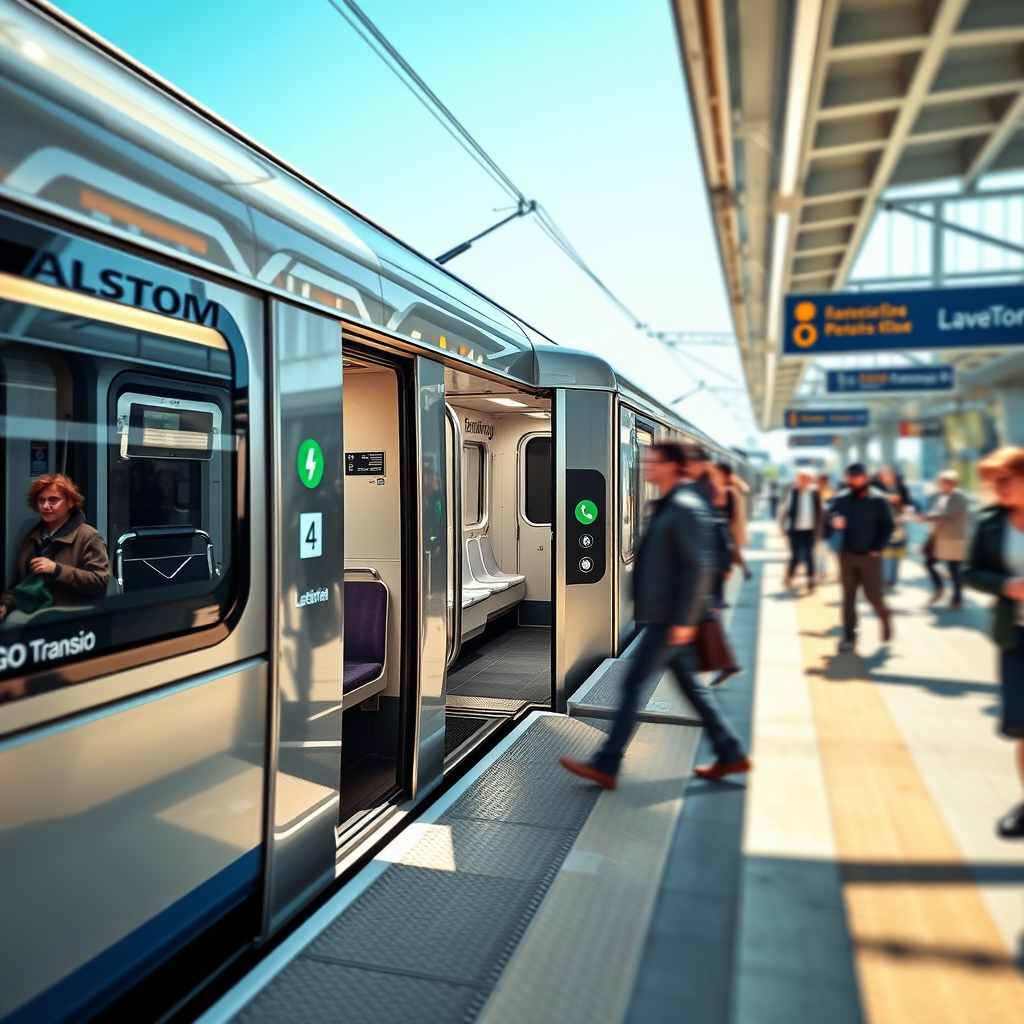
This article examines the significant contract awarded to Alstom by Metrolinx (the public transport management body for the Greater Golden Horseshoe area of Ontario, Canada) for the mid-life overhaul and modernization of 181 bi-level (double-decker) Series VIII commuter railcars. This C$500 million (approximately $348.56 million USD) agreement represents a substantial investment in the revitalization of GO Transit’s (Regional public transit service) rolling stock, impacting both the immediate job market and the long-term operational efficiency and passenger experience of the rail system. The project highlights the importance of lifecycle management in railway asset management, the ongoing evolution of passenger amenities in commuter rail, and the economic benefits of supporting domestic rail manufacturing.
Modernization of GO Transit’s Bi-Level Railcars
The core of this project involves a comprehensive mid-life overhaul of 181 existing bi-level Series VIII railcars. These cars, originally manufactured between 2008 and 2015 at Alstom’s Thunder Bay facility, will undergo significant upgrades to extend their operational lifespan by an estimated 20 years. This extensive refurbishment goes beyond simple maintenance; it constitutes a major modernization effort focusing on improving passenger comfort and experience. The scope of work includes the replacement of interior components such as seating, flooring, and paneling. Furthermore, the project incorporates essential accessibility improvements, like the installation of accessible lavatories, and the integration of modern passenger amenities such as USB charging ports and energy-efficient LED lighting. This complete refurbishment demonstrates a commitment to extending the useful life of existing assets, reducing overall lifecycle costs, and enhancing the passenger experience.
Economic and Employment Impact
The Alstom contract is expected to generate substantial economic benefits for the region. The modernization work, scheduled to begin in 2026 and extend until at least 2030, is projected to support approximately 250 jobs at Alstom’s Thunder Bay facility. This significant employment opportunity underscores the economic ripple effects of large-scale railway infrastructure projects, not only in terms of direct employment but also in supporting local businesses and services. The long-term operational benefits resulting from the extended lifespan of the railcars also contribute significantly to economic efficiency. By reducing the need for premature replacement, Metrolinx can redirect resources toward other crucial infrastructure investments.
Passenger Experience Enhancement and Alignment with GO Expansion
The improvements to the GO Transit fleet are not merely cosmetic; they directly address Metrolinx’s broader goals of improving service frequency and passenger convenience. The enhanced amenities—improved seating, accessibility features, and modern conveniences—contribute to a more comfortable and enjoyable riding experience for commuters. This aligns directly with the ongoing GO Expansion program, which aims to significantly increase the capacity and efficiency of the regional transit system. The modernization project, therefore, is an integral part of a larger strategic plan to meet the growing transportation demands of the Greater Toronto and Hamilton Area (GTHA). By investing in modernizing the existing fleet, Metrolinx ensures that its infrastructure supports both current and future ridership growth.
Long-Term Sustainability and Strategic Partnerships
The Alstom contract exemplifies a strategic partnership between a major rolling stock manufacturer and a public transport agency committed to long-term sustainability. By extending the lifespan of existing railcars through comprehensive refurbishment rather than complete replacement, Metrolinx is minimizing environmental impact and reducing waste. The use of energy-efficient LED lighting is a notable example of environmentally conscious upgrades incorporated into the project. This demonstrates a commitment to both short-term economic efficiency and long-term environmental sustainability, a critical factor in modern transportation planning. Furthermore, Alstom’s long-standing presence in Thunder Bay, as demonstrated by their nearly five decades of manufacturing GO Transit railcars, speaks to the value of fostering enduring relationships with experienced and reliable partners in the rail industry.
Conclusion
The Metrolinx contract with Alstom for the modernization of 181 bi-level Series VIII railcars represents a substantial investment in the future of GO Transit and the broader transportation infrastructure of the Greater Toronto and Hamilton Area. This C$500 million project is far more than a simple refurbishment; it signifies a strategic commitment to improving passenger experience, extending the operational lifespan of existing assets, and bolstering the regional economy. The economic benefits, including the creation of approximately 250 jobs over several years, are significant. The project’s alignment with Metrolinx’s GO Expansion program underscores its importance in addressing the region’s growing transportation needs. The incorporation of modern passenger amenities and accessibility features enhances the commuter experience, contributing to a more efficient and attractive public transit system. The extended lifespan of the refurbished railcars, achieved through a planned mid-life overhaul, showcases a proactive approach to asset management that maximizes value while minimizing environmental impact. Finally, the continuing partnership between Metrolinx and Alstom highlights the benefits of collaboration between public agencies and established industry partners to deliver sustainable and efficient public transportation solutions.
RELATED POSTS

August 6, 2019 8:51 am
This article examines the significant contract awarded to Alstom by...

July 2, 2025 4:33 am
East West Railway partners with accessibility panel to design inclusive...

August 1, 2018 5:12 pm
Italo - Nuovo Trasporto Viaggiatori and Alstom signed a contract...
Here's an excerpt tailored for railway professionals:"The Port of Long...
December 18, 2019 7:28 pm
The integration of 5G technology into railway operations represents a...

June 23, 2025 3:33 am
Static Frequency Converters (SFCs) boost Australian and New Zealand rail...