
Germany’s New ICE 4: A High-Speed Rail Revolution
Introduction
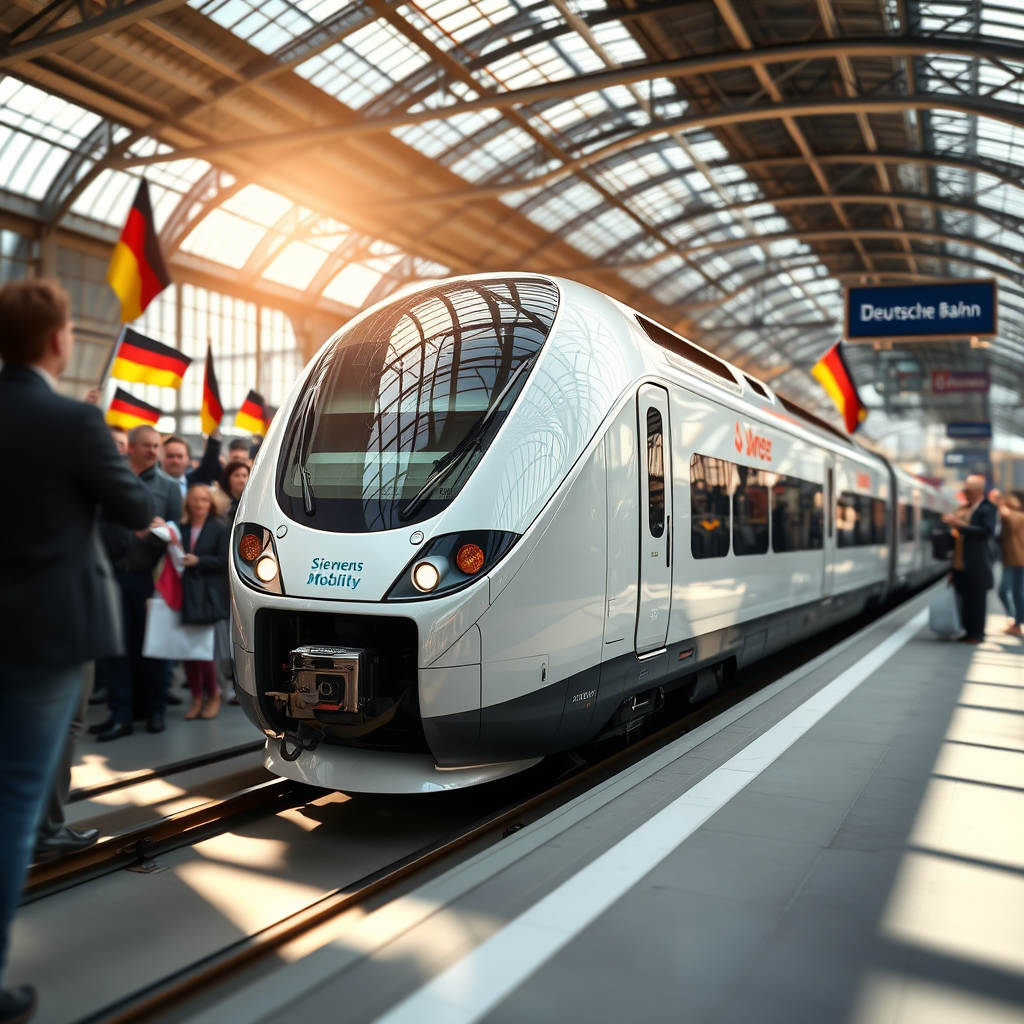
This article explores the significant milestone achieved by Siemens Mobility and Deutsche Bahn (DB) with the completion and delivery of 137 ICE 4 (Inter-City Express) high-speed trains. This represents the culmination of a substantial procurement project, the largest ever undertaken by DB, and marks a critical step in modernizing Germany’s high-speed rail network. The delivery of these state-of-the-art trains, culminating in the christening of the final unit, the “Spree,” signifies not only a technological advancement but also a crucial investment in improving passenger experience and addressing existing capacity and operational challenges within the German railway system. The impact of this project extends beyond improved service, touching upon environmental sustainability, economic growth, and Germany’s competitiveness as a transportation and industrial hub. We will examine the technical specifications of the ICE 4, its operational significance, the broader context of Germany’s rail modernization strategy, and the long-term implications of this significant investment.
The ICE 4: A Technological Leap
The ICE 4 represents a considerable advancement in high-speed rail technology. Its design incorporates numerous features aimed at enhancing passenger comfort and operational efficiency. The increased seating capacity (approximately 25% more than previous ICE models) directly addresses the growing demand for rail travel within Germany. Furthermore, its lighter weight and improved aerodynamic profile contribute to a significant reduction in energy consumption – approximately 30% less than its predecessors. This energy efficiency translates directly into lower operating costs and a drastically reduced carbon footprint, with each train estimated to save up to 400,000 tons of CO2 over its lifespan. The deployment of these trains signifies a move towards sustainable and environmentally responsible transportation.
Modernizing Germany’s Rail Infrastructure
The delivery of the ICE 4 fleet is intricately linked to Germany’s broader strategy for modernizing its rail network. The existing system faced challenges including delays and growing passenger dissatisfaction, which the government aims to address through substantial investment. The €12 billion investment in new long-distance trains, expanding the ICE fleet to 450 units by 2030, forms a core component of this modernization. This expansion, combined with general network refurbishment, is intended to improve punctuality, increase capacity, and ultimately enhance the overall passenger experience. The reduction in the average age of ICE and Intercity trains, from 18 to 12 years, reflects a commitment to maintaining a modern, reliable, and efficient rail system.
Operational Impact and Network Expansion
The ICE 4 trains will primarily operate on Germany’s high-speed rail network, significantly impacting routes connecting major cities. Key corridors such as Berlin to North Rhine-Westphalia, Frankfurt to southern Germany and Austria (including Munich, Salzburg, and Klagenfurt), will benefit from increased capacity and improved service frequency. The increased seating capacity of the ICE 4 allows for the transport of a significantly larger number of passengers, alleviating overcrowding and enhancing the overall quality of rail travel. The improved punctuality and reliability directly contribute to the economic efficiency of the railway system, benefiting both passengers and freight transport operations. The strategic deployment of these trains supports Germany’s commitment to sustainable and efficient long-distance transportation.
Conclusion
The completion of the ICE 4 delivery program, marked by the christening of the “Spree,” represents a momentous achievement for both Siemens Mobility and Deutsche Bahn. This project is far more than a simple train delivery; it symbolizes a significant investment in modernizing Germany’s railway infrastructure. The ICE 4 trains, with their enhanced capacity, improved energy efficiency, and reduced environmental impact, represent a substantial technological leap. These improvements directly address the challenges of increasing passenger demand, operational inefficiencies, and environmental concerns. The €12 billion investment in new long-distance trains underscores the German government’s commitment to sustainable and efficient transportation, aiming to improve punctuality, increase capacity, and enhance overall passenger satisfaction by 2030. This comprehensive modernization initiative, including the deployment of the ICE 4 fleet, will significantly contribute to improving Germany’s rail network, boosting its economic competitiveness, and reinforcing its position as a leader in sustainable transportation solutions. The success of this project serves as a model for other countries seeking to upgrade their rail infrastructure and meet the growing demands of modern transportation. The long-term benefits extend beyond improved passenger experiences; it contributes to environmental sustainability, strengthens economic development and showcases German engineering prowess on a global scale.
RELATED POSTS

May 12, 2020 1:29 pm
Essential Railway Upgrades Across the UK: A Case Study of...

May 11, 2011 8:55 am
Azerbaijan is planning to extend the new Baku-Tbilisi-Kars railway line...
EQT's acquisition of Dellner Couplers boosts innovation in railway connection...

February 22, 2025 3:17 pm
This article explores the transformative impact of artificial intelligence (AI)...

Dundee railway station is located in the western edge of...

May 29, 2025 6:01 am
Eglinton Crosstown West Extension: Bids Submitted for Stations, Rail, and...