
Frederick Douglass Tunnel: Modernizing Amtrak’s NEC
Introduction
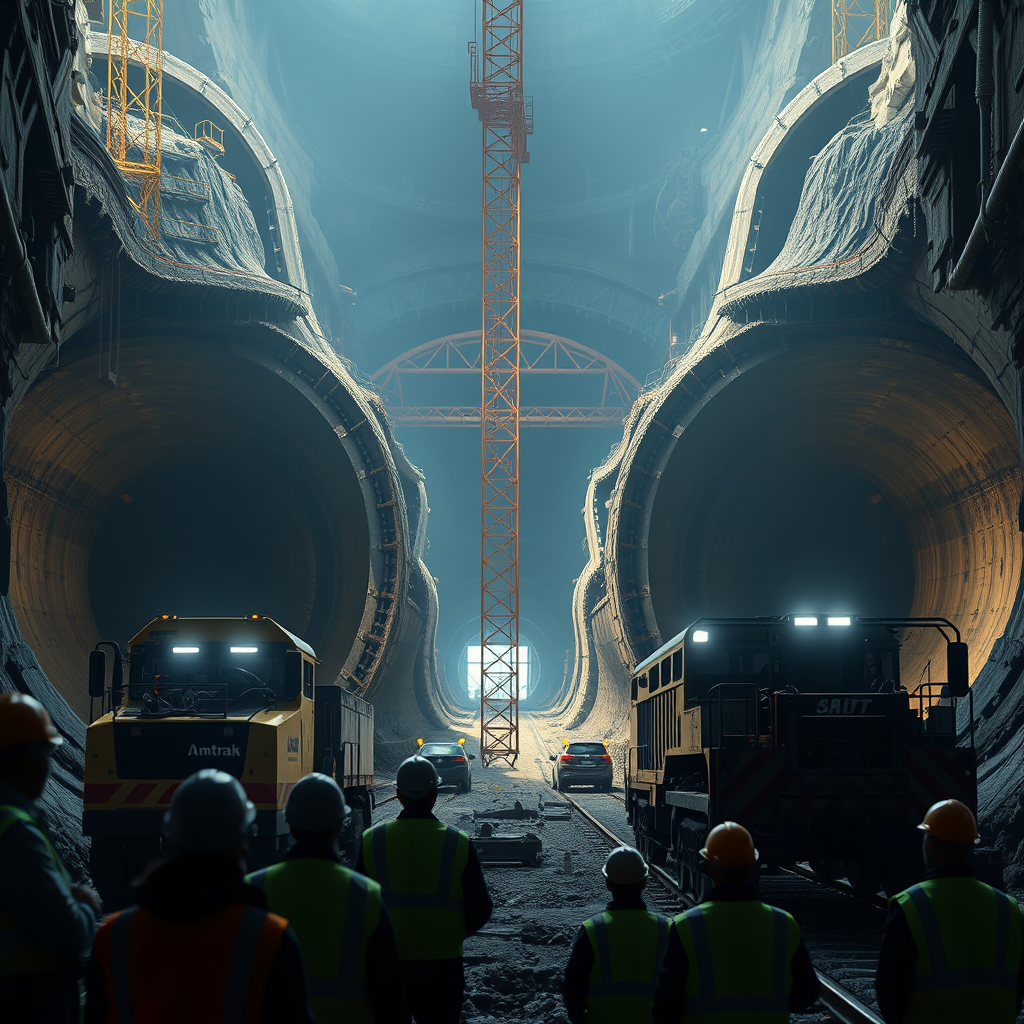
This article delves into the significant undertaking of replacing the century-old B&P Tunnel on Amtrak’s Northeast Corridor (NEC) with the new Frederick Douglass Tunnel. The project, a cornerstone of the multi-billion dollar NEC transformation program, represents a crucial step towards modernizing America’s busiest passenger rail line. This modernization is not merely about replacing aging infrastructure; it’s about enhancing capacity, increasing speed, and improving overall efficiency and safety for both Amtrak and Maryland Area Rail Commuter (MARC) services. The project’s magnitude, encompassing the construction of two parallel, two-mile-long tunnel bores, underscores the complexity and long-term vision involved. This analysis will explore the project’s scope, its funding, the key players involved, and the anticipated benefits of this crucial infrastructure upgrade, highlighting the challenges and timelines associated with such a large-scale endeavor. We will examine the technical aspects of the project, the economic impact, and the societal implications of enhancing this vital artery of passenger rail transportation in the Northeastern United States.
Project Scope and Contracts
The Frederick Douglass Tunnel project is not a simple tunnel replacement. It involves the construction of two parallel, single-track tunnel bores, each approximately two miles long, to accommodate both Amtrak and MARC train services. The project’s complexity is evident in its phased approach. Amtrak has already awarded a significant contract to a Kiewit/J.F. Shea joint venture for the primary construction of the twin tunnels. This follows the awarding of a separate contract to a Clark Construction and Stacy and Witbeck joint venture for the Southern Approach, encompassing bridge replacements and construction of a new West Baltimore MARC station. A final contract for the tunnel’s interior fit-out is expected in 2025/2026. This phased approach allows for efficient management of resources and expertise, mitigating risks associated with such a massive project. The meticulous planning and strategic awarding of contracts demonstrate Amtrak’s commitment to rigorous project management and timely completion.
Funding and Political Support
The substantial financial investment in the Frederick Douglass Tunnel is a testament to its importance in national infrastructure development. Funding has been significantly boosted by the Federal Railroad Administration (FRA) through the Bipartisan Infrastructure Law (also known as the Infrastructure Investment and Jobs Act), reflecting the federal government’s commitment to improving national rail infrastructure. Amtrak’s executive vice president for capital delivery, Laura Mason, has emphasized the role of this historic funding and the continued support from the Biden-Harris administration, FRA, and the Maryland Department of Transportation Maryland Transit Administration (MDOT MTA). This multi-layered support highlights the political consensus surrounding the necessity of this project and its contribution to national economic development.
Technological Advancements and Operational Improvements
Beyond merely replacing the aging B&P Tunnel, the new Frederick Douglass Tunnel will significantly enhance operational efficiency and passenger experience. The current B&P Tunnel, constrained by tight curves, limits train speeds to 30 mph. The new tunnel’s design will allow for significantly higher speeds, dramatically reducing travel times between Washington, D.C., and New Jersey. This improvement is crucial for Amtrak’s overall performance on the NEC, which is a critical corridor for passenger travel. The modernization also allows for the implementation of advanced signaling and communication systems, improving safety and reliability. Electrification improvements are also included in the overall scope of the work to optimize the system.
Conclusion
The construction of the Frederick Douglass Tunnel represents a substantial investment in America’s future, reflecting a commitment to modernizing critical infrastructure. The project’s scope, encompassing two parallel, two-mile-long tunnel bores, showcases the scale of this undertaking. The strategic awarding of construction contracts to experienced joint ventures indicates a well-planned approach to execution. The significant financial backing from the Bipartisan Infrastructure Law and the backing of various governmental agencies demonstrates the project’s importance at a national level. Beyond the immediate benefits of replacing the aging B&P Tunnel, the new tunnel promises enhanced operational efficiency through increased train speeds, improved safety measures, and the integration of advanced technologies. This modernization will not only improve the passenger experience but also contribute to the overall economic vitality of the Northeast Corridor. The project’s completion in 2035 marks a significant milestone in the ongoing transformation of Amtrak’s Northeast Corridor, ensuring its continued viability as a major artery of passenger rail transportation in the United States for decades to come. The Frederick Douglass Tunnel represents more than just an infrastructure upgrade; it embodies an investment in the future of efficient, safe, and high-speed rail travel. The project’s success will serve as a model for future large-scale infrastructure projects, emphasizing the importance of strategic planning, robust funding, and collaborative partnerships between public and private sectors in achieving ambitious infrastructural goals.
RELATED POSTS

June 28, 2017 6:14 pm
Here are a few voiceover-friendly excerpts for railway professionals, based...
April 6, 2023 3:27 am
Introduction The transition to digital signaling systems in railway operations...
March 8, 2025 3:50 pm
This article explores the innovative application of Formula One technology...

September 29, 2025 8:54 pm
Science and Industry Museum reopens Power Hall, showcasing historic engines...
July 28, 2025 11:33 pm
Arizona Eastern Railway and BLET reach tentative labor deal. ...
June 15, 2019 1:10 am
The High-Speed 2 (HS2) project, a transformative undertaking in the...