
Foothill Gold Line: A Light Rail Success Story
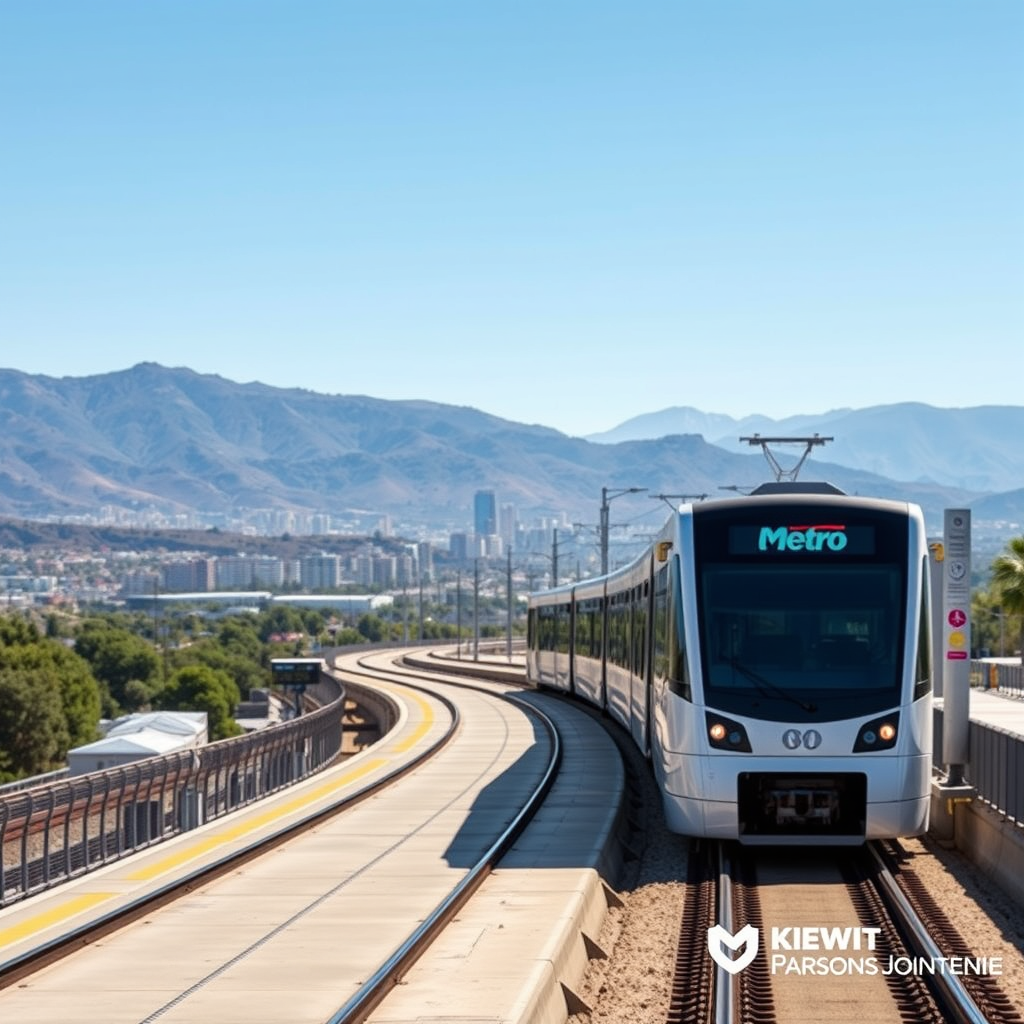
The Successful Completion of the Foothill Gold Line Light Rail Extension: A Case Study in Large-Scale Transit Project Management
This article examines the successful completion of the Foothill Gold Line light rail extension project in California, a significant undertaking in the realm of public transportation infrastructure development. The project, spanning from Glendora to Pomona, serves as a valuable case study for understanding the complexities of large-scale transit projects, from initial planning and design through construction and final handover. We will analyze the project’s timeline, budgetary considerations, the interplay between various stakeholders, and the innovative strategies employed to overcome significant engineering challenges. The project’s ultimate success, achieved on time and within budget, provides crucial insights for future light rail initiatives, emphasizing the importance of robust planning, efficient project management, and collaborative partnerships. We will delve into the specific technical aspects of the project, including the intricate integration of Intelligent Transportation Systems (ITS), and explore the financial mechanisms that enabled its realization, highlighting the significance of multi-level funding strategies to support ambitious infrastructure development.
Project Scope and Timeline
The Foothill Gold Line extension, a 9.1-mile light rail project, involved the construction of four new stations, extensive parking facilities, and the complete light rail system itself. This included the intricate installation of track, power systems, train control systems, communications networks, and safety equipment. The project also necessitated the significant undertaking of relocating nine miles of existing freight track, and constructing 19 bridges, 21 at-grade street crossings, and ten miles of sound and retaining walls. The project’s timeline spanned several years, from the initial design phase which began in October 2019, to major construction commencing in July 2020, culminating in substantial completion in early 2025. The Kiewit-Parsons Joint Venture, acting as the design-build contractor, successfully navigated numerous logistical and engineering complexities to meet the project’s ambitious deadlines.
Funding and Partnerships
The $1.5 billion project received funding from multiple sources, demonstrating a successful model for financing large-scale infrastructure projects. The primary source was Los Angeles County’s Measure M half-cent sales tax, supplemented by residual funds from Measure R (prior transportation initiatives). A substantial $300 million grant from CalSTA’s (California State Transportation Agency) Transit and Intercity Rail Capital Program in 2018 provided crucial additional funding, with a portion allocated to the subsequent extension from Pomona to Montclair. This diverse funding strategy highlights the necessity of securing funding from multiple sources to realize major transit projects. Furthermore, a smaller grant from CalRecycle facilitated the environmentally conscious recycling of approximately 548,200 tires, utilized for noise reduction along the rail corridor, reflecting a commitment to sustainability.
Engineering and Technological Integration
The project demonstrated a high level of engineering expertise, requiring the seamless integration of various complex systems. The construction of the light rail system itself, including the track, power, and signaling systems, presented considerable technical challenges. The successful integration of Intelligent Transportation Systems (ITS) is a noteworthy aspect. ITS encompasses various technologies designed to improve the efficiency and safety of the rail system, such as advanced signaling, communication networks, and passenger information systems. The relocation of existing freight lines required careful planning and execution to minimize disruption to existing rail operations. Successfully managing this process and integrating these complex systems into a cohesive, functional whole showcases the expertise of the engineering teams involved.
Project Handover and Future Outlook
Upon achieving substantial completion, the project was handed over to Metro (Los Angeles County Metropolitan Transportation Authority) for final testing and commissioning. This stage includes crucial operator training, development of comprehensive emergency response plans, and securing all necessary regulatory approvals before public operation commences. The project’s on-time and within-budget completion represents a significant achievement for all stakeholders involved, including the Foothill Gold Line Construction Authority, Metro, the Kiewit-Parsons Joint Venture, and the local communities. The successful completion of this project provides a valuable blueprint for future light rail developments, highlighting the critical role of comprehensive planning, effective project management, strong partnerships, and securing diverse funding sources. The project’s success also underscores the importance of integrating advanced technologies such as ITS to enhance efficiency, safety, and overall passenger experience. The continued expansion of the Foothill Gold Line, with the planned extension to Montclair, promises to further enhance regional connectivity and improve transportation options for the communities served.
RELATED POSTS

October 21, 2025 7:54 am
RIA unveils a report proposing "Station Investment Zones," aiming to...

November 24, 2020 3:34 pm
This article examines the qualification of Mitsubishi Electric to bid...

January 13, 2010 8:03 am
Australian railway company UGL has signed China’s Huawei Technologies to...
September 10, 2023 6:40 am
This article explores the significant surge in China-Europe rail freight...
January 13, 2022 11:36 am
The Tanzanian Standard Gauge Railway: A Case Study in International...
April 5, 2017 6:46 am
Here's a voiceover-friendly excerpt for railway professionals:"GTR is upgrading its...