
Eurostar Celestia: High-Speed Rail’s Sustainable Future in Europe
Eurostar invests €2 billion for 50 new double-decker high-speed trains, “Eurostar Celestia,” boosting capacity and creating jobs by 2031, expanding its rail network.
Introduction
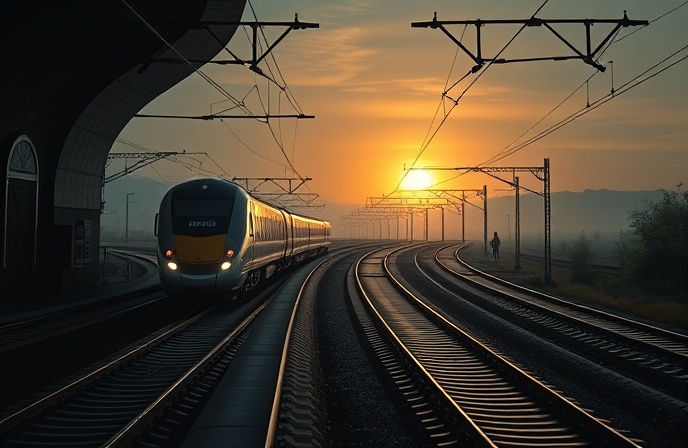
Eurostar will introduce up to 50 double-decker high-speed trains by May 2031, following a €2 billion investment. The new fleet, named Eurostar Celestia, will begin commercial services, increasing capacity and creating new jobs in London.
Fleet Expansion and Investment
Eurostar has announced a major €2 billion investment in its next-generation fleet. This includes ordering up to 50 new double-decker high-speed trains. The initial order comprises 30 trains from Alstom Group, with an option for an additional 20. The Eurostar Celestia fleet is scheduled to begin commercial services in May 2031.
Train Specifications and Features
The Eurostar Celestia trains are based on Alstom’s Avelia Horizon platform. Each train will be 200 metres in length and designed to be interoperable across all five countries currently served by Eurostar. The trains will extend services to new destinations, including Geneva and Frankfurt. Seat capacity will increase by 20 per cent per train, with approximately 540 seats per 200-metre set. When running in a 400-metre formation through the Channel Tunnel, each service could accommodate around 1,080 passengers.
Job Creation and Infrastructure Development
The introduction of Eurostar Celestia is expected to create approximately 350 new high-skilled engineering and maintenance jobs at the Temple Mills depot in London. The depot will undergo an €80 million expansion to accommodate the new fleet. The trains will operate alongside the existing 17 e320s, bringing Eurostar’s total fleet to 67 trains, representing a 30 per cent overall increase.
Sustainability and Design
The Eurostar Celestia trains are all-electric, with 97 per cent of their components recyclable and 25 per cent made from recycled materials. Energy use is projected to decrease by 20–50 per cent compared to the current fleet. The trains are designed to withstand climate change impacts and incorporate accessibility features, with input from passenger groups and Eurostar team members.
Conclusion
Last June 2025, we published an article about Renfe’s Aranjuez maintenance hub. Click here to read – Future of Rail: Renfe’s Railway Technology Hub, Aranjuez: Essential Guide
The Eurostar Celestia project represents the next generation of high-speed rail, focusing on sustainability, increased capacity, and passenger comfort. With the first trains scheduled for delivery in January 2031 and commercial operations launching in May, Eurostar aims to redefine international travel and strengthen its position in premium, sustainable rail transport.
Company Summary
Eurostar: Eurostar is a railway company.
Alstom Group: Alstom Group is a company.
Technology
Avelia Horizon: The Avelia Horizon is a platform.
RELATED POSTS

September 1, 2020 9:19 pm
High-Speed Rail in Thailand: A Public-Private Partnership This article examines...
May 27, 2020 5:32 pm
This article explores the recent extensive refurbishment of Kilsby Tunnel...

October 8, 2025 9:54 am
Melbourne Metro Tunnel to open in December, a year early!...
August 12, 2025 10:33 am
Poland's ambitious railway line modernization program upgrades infrastructure, introduces new...
November 23, 2018 11:41 am
The new BART mobile app revolutionizes commuting! Real-time info,...
October 9, 2025 5:54 pm
Gemini Trains partners for a new **high-speed rail** fleet! Connecting...